- By the dedicated team of editors and writers at Newsletter Station.
Regarding homeowners insurance, one of the most critical components of your policy is dwelling coverage. This coverage helps protect the structure of your home and is a fundamental aspect of your overall insurance protection.
Whether you're a new homeowner or have been insuring your property for years, it's essential to understand what dwelling coverage is, how it works, and how to determine the right amount of coverage for your home. In this blog post, we'll explore dwelling coverage in-depth, shedding light on its importance and the factors that influence it.
What is Dwelling Coverage?
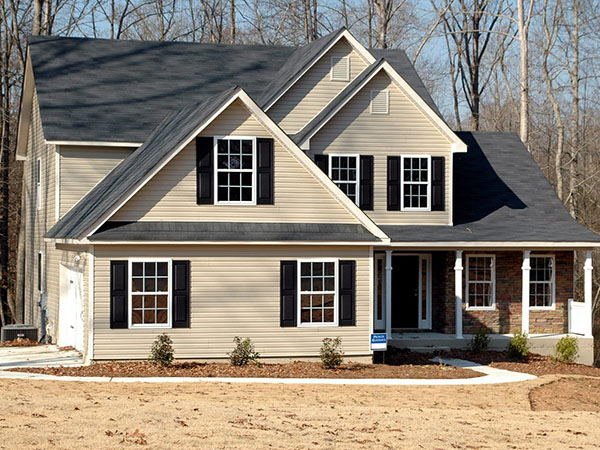
Dwelling coverage, also known as Coverage A in insurance policies, is part of your homeowner's insurance that specifically pertains to the main structure of your home. This includes the walls, roof, floors, ceilings, foundation, built-in appliances, and structural components, such as the chimney and attached garage. It covers the costs of repairing or rebuilding your home if it is damaged or destroyed due to covered perils.
Why is Dwelling Coverage Important?
Home Protection: Your home is likely one of your most significant investments, and dwelling coverage safeguards that investment. If a disaster, such as a fire, tornado, or severe storm, damages your home, having adequate dwelling coverage ensures you can rebuild or repair it without incurring a significant financial burden.
Mortgage Requirement: If you have a mortgage, your lender will typically require you to have dwelling coverage. This is because the lender is vested in ensuring that their collateral (your home) is adequately protected.
Peace of Mind: Knowing that your home is adequately insured can provide peace of mind. You won't have to worry about how you'll afford to rebuild your home if the worst should happen.
Determining the Right Amount of Dwelling Coverage
Getting the right amount of dwelling coverage is crucial. If you have too little range, you may not be able to rebuild your home entirely in a disaster. Conversely, you could be paying higher premiums than necessary if you have too much coverage.
Here are some factors to consider when determining the appropriate amount of dwelling coverage:
Replacement Cost: The replacement cost is the amount it would take to rebuild your home from the ground up using similar materials and construction methods. Make sure your dwelling coverage matches or exceeds this amount.
Local Building Costs: Construction costs can vary significantly by location. Be sure to factor in the cost of labor and materials in your area when determining your dwelling coverage.
Additional Structures: If you have other structures on your property, such as a detached garage or a shed, consider whether you want to include coverage for these structures.
Inflation: Remember that construction costs tend to rise over time due to inflation. Reviewing and adjusting your dwelling coverage periodically to account for these increases is a good idea.
Unique Features: If your home has unique or high-end features, such as custom finishes or expensive appliances, make sure your dwelling coverage accounts for the cost of replacing these items.
Additional Considerations
Deductible: Understand your insurance deductible, the amount you'll have to pay out of pocket before your insurance kicks in. A higher deductible can lower your premium, but it means you'll have more expenses in the event of a claim.
Coverage Limits: Know any coverage limits within your policy. Some policies may have sub-limits for specific perils or types of property, such as jewelry or electronics. Consider purchasing additional coverage (riders) if you have valuable items that exceed these limits.
Review Your Policy Annually: As your home's value changes over time, your dwelling coverage needs may also change. Regularly review your policy and make adjustments as necessary.
In conclusion, dwelling coverage is a crucial component of your homeowner's insurance policy that protects the main structure of your home. It ensures you can rebuild or repair your home in the event of covered perils, providing financial security and peace of mind.
To determine the right amount of dwelling coverage, consider factors like replacement cost, local building costs, and any unique home features. By understanding and managing your dwelling coverage effectively, you can ensure that your home is adequately protected.