Jul 5, 2023 - How Breath Control Can Improve Your Shooting
Jun 28, 2023 - Defensive Shooting Terms, Explained
Jun 21, 2023 - The Best Concealed Carry Positions
|
The Best Concealed Carry Positions: Finding Comfort and Accessibility
|
Jun 21, 2023 - By the dedicated team of editors and writers at Newsletter Station.
Concealed carry is a popular choice among individuals who prioritize personal safety and wish to exercise their right to bear arms. One crucial aspect of concealed carry is finding the correct position that combines comfort, accessibility, and adequate concealment.
In this blog post, we will explore some of the best concealed carry functions to help you decide how to carry your firearm discreetly and securely.
-
Inside the Waistband (IWB)
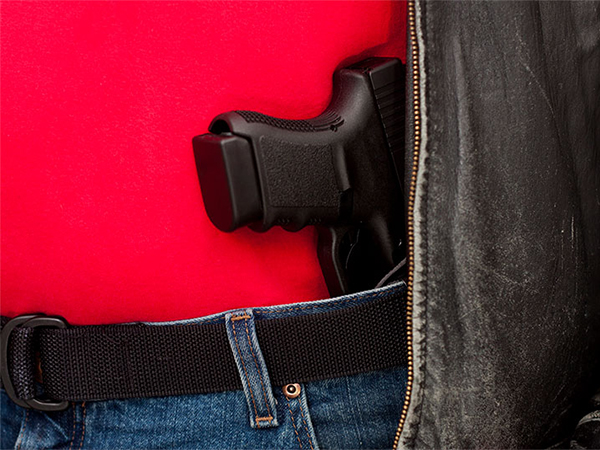
Inside the waistband, carry is a popular choice for many concealed carriers. It involves placing the firearm inside the band, typically at the 3 or 4 o'clock position for right-handed individuals (9 or 8 o'clock for left-handed individuals). Advantages of IWB carry include excellent concealment, ease of access, and the ability to wear various clothing styles without giving away the presence of a firearm. Choose a holster with proper cant and adjustable retention to enhance comfort.
-
Appendix Carry
Appendix carry involves placing the firearm in the front of the body, around the appendix area. This position is favored by those who prefer a quick and easily accessible draw. Appendix carry offers a natural hand position, reducing the need for sweeping motions during the appeal. Additionally, it allows for excellent concealment, particularly when wearing a jacket or untucked shirt. However, proper training is essential to ensure safe reholstering to avoid the muzzle crossing the body.
-
Outside the Waistband (OWB)
Outside-the-waistband carries may be ideal for individuals seeking increased comfort and ease of drawing. OWB carry involves attaching the holster to the outside of the waistband, typically at the 3 or 4 o'clock position. This position allows for a full firing grip, making it easier to draw the firearm quickly. While OWB may require additional clothing layers or a cover garment for adequate concealment, it offers excellent comfort and accessibility.
-
Pocket Carry
Pocket carry is an excellent choice for those seeking ultimate concealment and a minimalist approach. This method involves placing a small, compact firearm in the pants or jacket pocket. Pocket holsters provide trigger protection and help ensure a consistent draw. Pocket carry is suitable for smaller guns and is especially popular during warmer months or in situations where other carry methods may be impractical or uncomfortable.
-
Ankle Carry
Ankle carry is a discreet option that works well as a backup carry position for individuals who cannot carry on their waistline. This method involves securing a compact firearm and holster around the ankle, usually on the inside of the leg. Ankle holsters should have proper retention and be comfortable enough for extended wear. While ankle carry may require additional effort and practice for a quick draw, it provides an excellent option for individuals who need a secondary firearm.
Choosing the best concealed carry position depends on your preferences, body type, clothing choices, and lifestyle. It is crucial to prioritize comfort, accessibility, and concealment while ensuring you receive proper training and adhere to local laws and regulations.
Experiment with different carries positions to find the one that suits you best, and always practices safe handling and storing your firearm. Responsible concealed carry contributes to personal safety and peace of mind in uncertain situations.
|
|