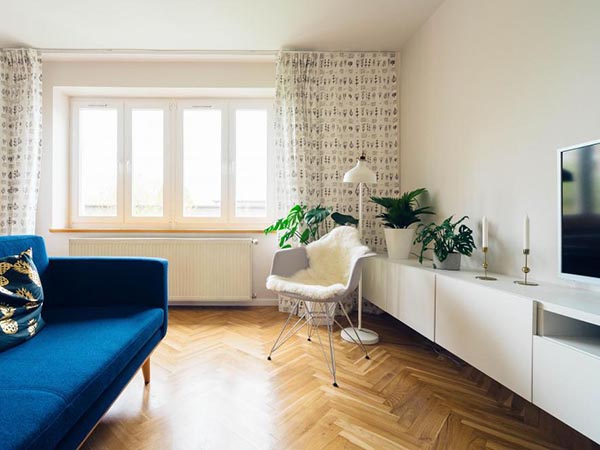
Mastering Home Design: Optimizing Furniture Layout and Space Flow
- By the dedicated team of editors and writers at Newsletter Station.
In interior design, one of the most crucial aspects is furniture layout and the flow of space within your home. Whether you're moving into a new place or looking to revamp your current living environment, optimizing your furniture layout can significantly enhance the functionality and aesthetics of your space.
Let's explore critical strategies for optimizing home design that maximize comfort and style.
Understanding Your Space
Before rearranging furniture, it is essential to understand the space you're working with thoroughly. Take note of architectural features, such as windows, doors, and built-in elements, as these will influence your layout decisions. Additionally, consider the traffic flow within each room and how people typically move through the space. Understanding these dynamics will help you create a layout that facilitates easy movement and enhances usability.
Define Functional Zones
One effective way to optimize your home layout is by defining functional zones within each room. Identify the primary activities in each space, such as lounging, dining, working, or entertaining. Then, arrange furniture to support these functions while maintaining a sense of cohesion and flow. For example, in a living room, designate a seating area focused around a central point, such as a fireplace or television, while leaving ample space for circulation around the furniture.
Consider Scale and Proportion
When selecting and arranging furniture, it's crucial to consider scale and proportion relative to the room's size. Oversized furniture can overwhelm a space, while undersized pieces may look out of place. Aim for a balanced composition by selecting furniture that complements the room's dimensions and allows for sufficient space for movement. Experiment with different arrangements until you find the right balance between comfort and space efficiency.
Embrace Versatility
In smaller homes or multifunctional spaces, versatility is vital. Look for furniture that serves dual purposes, such as a sleeper sofa for accommodating guests or a coffee table with built-in storage. Additionally, modular furniture solutions that can be easily reconfigured to adapt to changing needs should be considered. You can make the most of limited square footage by embracing versatility without sacrificing functionality or style.
Create Visual Flow
A sense of visual flow is essential for creating a harmonious and inviting home environment. Arrange furniture in a way that encourages natural eye movement throughout the space, avoiding visual obstructions or barriers that disrupt the flow of movement. Incorporate elements of symmetry and balance to create a cohesive look, and use area rugs, artwork, or accent pieces to tie the room together. Pay attention to sightlines and focal points to ensure a seamless transition between areas.
Maximize Natural Light
Natural light can transform a room's ambiance, making it feel brighter, more spacious, and inviting. Please use windows and natural light sources when arranging furniture by positioning seating areas near them. Avoid blocking windows with bulky furniture, and use sheer curtains or blinds to control light levels while maintaining privacy. Incorporating mirrors strategically can also help bounce light around the room, enhancing the sense of openness and airiness.
Optimizing your home's furniture layout and space flow is a multifaceted endeavor that requires careful consideration of various factors, including functionality, aesthetics, and spatial dynamics. By understanding your space, defining functional zones, and embracing principles of scale, proportion, and versatility, you can create a layout that enhances your home's usability and visual appeal.
With a thoughtful approach and creativity, you can transform your living environment into a harmonious sanctuary that reflects your style and supports your lifestyle needs.