- By the dedicated team of editors and writers at Newsletter Station.
High blood pressure, also known as hypertension, is a common health condition that can increase the risk of heart disease, stroke, kidney problems, and other serious health complications. Because high blood pressure often has no noticeable symptoms, regular monitoring is an important part of protecting your long-term health.
While medication may be necessary for some people, healthy lifestyle habits can play an important role in preventing and managing high blood pressure. Current recommendations emphasize heart-healthy eating, regular physical activity, maintaining a healthy weight, reducing sodium, managing stress, getting adequate sleep, avoiding tobacco, and limiting or eliminating alcohol.
Here are practical, natural strategies that can support healthier blood pressure levels.
Follow a Heart-Healthy Diet
What you eat can have a meaningful effect on blood pressure. One of the best-supported approaches is the DASH (Dietary Approaches to Stop Hypertension) eating plan, which emphasizes vegetables, fruits, whole grains, beans, nuts, seeds, fish, lean proteins, and low-fat or fat-free dairy products.
A heart-healthy eating pattern also emphasizes minimally processed foods while limiting foods high in sodium, saturated fat, added sugars, and highly processed ingredients.
Reduce Sodium
Too much sodium can contribute to higher blood pressure. The American Heart Association recommends limiting sodium to 2,300 milligrams per day or less, with an ideal goal of no more than 1,500 milligrams for many adults with elevated blood pressure or hypertension.
Much of the sodium in a typical diet comes from packaged, prepared, and restaurant foods rather than the salt shaker. Check nutrition labels and choose lower-sodium options whenever possible.
Try flavoring meals with herbs, spices, garlic, lemon, or other salt-free seasonings.
Eat More Potassium-Rich Foods
Potassium can help counter some of sodium's effects and support healthy blood pressure. Good food sources include bananas, potatoes, sweet potatoes, spinach, beans, yogurt, avocados, and other fruits and vegetables.
However, increasing potassium isn't appropriate for everyone. People with kidney disease or certain medical conditions, or those taking medications that affect potassium levels, should talk with a healthcare professional before significantly increasing potassium or using potassium-based salt substitutes.
Maintain a Healthy Weight
Carrying excess weight can place additional strain on the cardiovascular system and increase the risk of high blood pressure.
If you are above your healthiest weight, even a modest amount of weight loss may provide benefits. Current guidance notes that losing approximately 5% of body weight can help support healthier blood pressure and overall health.
Rather than focusing on quick weight-loss programs, aim for sustainable habits such as eating balanced meals, being physically active, and making gradual changes you can maintain over time.
Get Regular Physical Activity
Regular physical activity is one of the most effective lifestyle strategies for supporting healthy blood pressure and cardiovascular health.
A practical goal for many adults is about 150 minutes of moderate-intensity physical activity each week, such as brisk walking, cycling, swimming, or other activities that increase your heart rate. Breaking activity into shorter sessions throughout the week can make this goal easier to achieve.
Strength training and other forms of physical activity can also be valuable additions to a well-rounded exercise routine.
If you're currently inactive, start gradually and choose activities you enjoy. Consistency is more important than trying to make dramatic changes overnight.
Manage Stress
Chronic stress can make healthy habits more difficult to maintain and may contribute to temporary increases in blood pressure. Finding healthy ways to manage stress can support both physical and emotional well-being.
Consider incorporating activities such as:
Deep-breathing exercises
Meditation or mindfulness
Yoga or gentle movement
Walking outdoors
Spending time with friends and family
Listening to music
Taking regular breaks from work or screens
Stress management works best when it becomes a regular part of your routine rather than something you turn to only when you're overwhelmed.
Limit or Avoid Alcohol
Alcohol can raise blood pressure, particularly when consumed in excess. Current heart-health guidance recommends drinking less or not drinking at all to help lower or prevent high blood pressure.
If you drink alcohol, talk with your healthcare professional about what amount, if any, is appropriate for you.
Don't Smoke and Avoid Tobacco and Nicotine
Smoking damages blood vessels and increases cardiovascular risk. Nicotine can also temporarily raise blood pressure.
Quitting smoking is one of the most important steps you can take for your heart and overall health. Avoiding secondhand smoke is also beneficial.
If you use tobacco or nicotine products and want to quit, talk with a healthcare professional about evidence-based support and resources.
Prioritize Quality Sleep
Sleep is another important part of cardiovascular health. Consistently getting too little sleep or experiencing poor-quality sleep is associated with high blood pressure.
Most adults should aim for at least seven hours of sleep each night, although individual needs vary.
If you regularly have trouble sleeping, wake frequently during the night, or experience symptoms that could indicate sleep apnea, talk with your healthcare professional. Sleep-related conditions can affect blood pressure and overall health.
Monitor Your Blood Pressure at Home
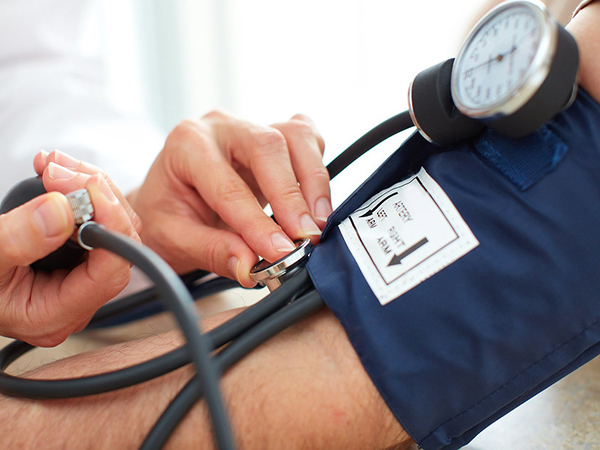
Regular home monitoring can provide useful information about your blood pressure patterns and help you and your healthcare professional determine whether lifestyle changes or treatments are working.
The American Heart Association recommends an automatic, upper-arm cuff-style monitor that has been validated for accuracy. Wrist and finger monitors are generally less reliable.
For more accurate readings:
Avoid exercise, smoking, and caffeine for 30 minutes beforehand.
Empty your bladder.
Sit quietly for at least five minutes.
Keep your back supported and feet flat on the floor.
Rest your arm on a surface at heart level.
Place the cuff directly on your bare upper arm.
Don't talk while taking the measurement.
Take two readings about one minute apart and record the results.
Bring your monitor to a healthcare appointment occasionally so its accuracy and your measurement technique can be checked.
Work With Your Healthcare Professional
Lifestyle changes are an important part of blood pressure management, but they don't replace medical treatment when medication or other care is needed.
The current blood pressure guidelines recommend lifestyle changes for adults with elevated blood pressure and hypertension, while medication may also be recommended depending on blood pressure levels and an individual's overall cardiovascular risk.
If you already take blood pressure medication, don't stop taking it or change the dose based solely on home readings. Discuss any changes with your healthcare professional.
When High Blood Pressure Requires Immediate Attention
A single elevated reading doesn't necessarily mean you have a medical emergency. However, if your blood pressure is higher than 180/120 mm Hg, wait at least one minute and take another reading.
If it remains that high, contact your healthcare professional promptly. If a reading above 180/120 mm Hg is accompanied by symptoms such as chest pain, shortness of breath, weakness, numbness, vision changes, or difficulty speaking, call 911 because this can indicate a hypertensive emergency.
Small Changes Can Make a Difference
High blood pressure is a serious health concern, but there are many practical steps you can take to support healthier blood pressure levels. Eating a heart-healthy diet, reducing sodium, staying active, maintaining a healthy weight, managing stress, getting adequate sleep, avoiding tobacco, limiting alcohol, and monitoring your blood pressure can all contribute to better cardiovascular health.
The key is consistency. You don't have to change everything at once. Start with one or two realistic habits and build from there.
Most importantly, work with your healthcare professional to understand your blood pressure and determine the right approach for you. Lifestyle changes can be powerful, but the safest and most effective plan combines healthy habits with appropriate medical care when needed.