Why You Should Always Patch Test New Skincare Products
- By the dedicated team of editors and writers at Newsletter Station.
Healthy, radiant skin is a goal many of us share. With the beauty industry constantly introducing trending ingredients like retinol, vitamin C, peptides, and exfoliating acids, it’s easy to get excited about trying something new. However, before adding any new skincare product to your routine, there’s one simple step you should never skip: the patch test.
Patch testing is a quick, proactive way to protect your skin from irritation, allergic reactions, and unnecessary setbacks. Here’s why this small habit can make a big difference in your skincare routine.
What Is a Patch Test?
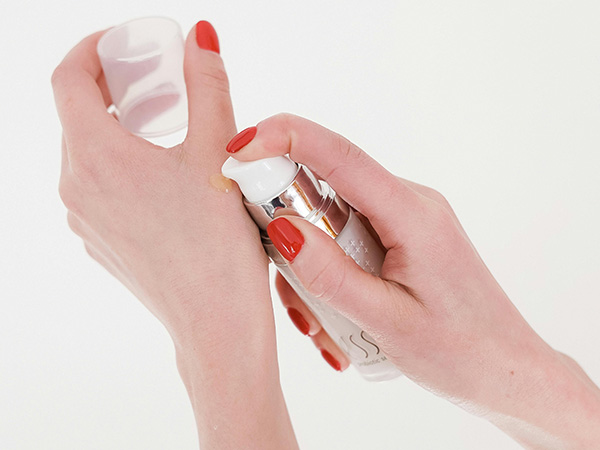
A patch test involves applying a small amount of a new skincare product to a discreet area of skin — typically the inside of your wrist, inner elbow, or behind your ear — and observing it for 24 to 48 hours. During this time, you monitor for redness, itching, swelling, burning, or other signs of irritation.
This simple test acts as a safety checkpoint before applying a product to your face or larger areas of your body.
Helps Prevent Allergic Reactions
One of the most important reasons to patch test is to avoid allergic reactions. Even products labeled “natural,” “organic,” or “dermatologist-tested” can trigger sensitivity in some individuals. Fragrances, preservatives, and active ingredients are common culprits.
According to the American Academy of Dermatology, contact dermatitis is a frequent cause of skin irritation and allergic reactions. A patch test allows you to detect potential issues early — before they become a widespread facial reaction that may require treatment.
Reduces the Risk of Irritation
Not all skin reactions are allergies. Some products — especially those containing retinoids, alpha hydroxy acids (AHAs), beta hydroxy acids (BHAs), or benzoyl peroxide — can irritate if your skin barrier is sensitive.
Patch testing helps you determine whether your skin tolerates a formula. If you notice mild tingling that fades quickly, it may be manageable. Persistent burning, redness, or peeling, however, signals that the product may not be right for you.
Supports a Personalized Skincare Routine
No two skin types are identical. What works beautifully for one person may not suit another. Patch testing allows you to evaluate how a product interacts with your specific skin type — whether oily, dry, combination, or sensitive.
By testing first, you can build a skincare routine tailored to your skin’s needs rather than relying solely on trends or online reviews.
Protects Your Investment
Quality skincare products can be expensive. Introducing a new product without testing it first increases the risk of breakouts or irritation that may require additional treatments to correct.
A quick patch test can help you avoid wasted purchases, reduce return hassles, and prevent the cost of repairing a compromised skin barrier.
Builds Confidence in Your Skincare Choices
There’s peace of mind in knowing a product works well with your skin. When you’ve safely patch tested a new serum or moisturizer, you can apply it confidently — without worrying about waking up to unexpected redness or swelling.
This confidence allows you to focus on achieving your skincare goals rather than managing avoidable reactions.
How to Patch Test Properly
For best results:
Apply a small amount of the product to a discreet area.
Leave it on as directed (do not wash off unless instructed).
Wait 24–48 hours.
Avoid layering other new products on the test area.
Discontinue use if you experience redness, itching, blistering, or swelling.
If you have a history of skin allergies or eczema, consider consulting a dermatologist before trying highly active formulations.
Make Patch Testing a Non-Negotiable Step
In today’s fast-moving skincare landscape, it’s tempting to try every trending product immediately. But protecting your skin should always come first. A patch test takes only a few minutes yet can prevent days — or even weeks — of discomfort.
By making patch testing part of your routine, you safeguard your skin’s health, protect your investment, and enjoy new skincare products with confidence.