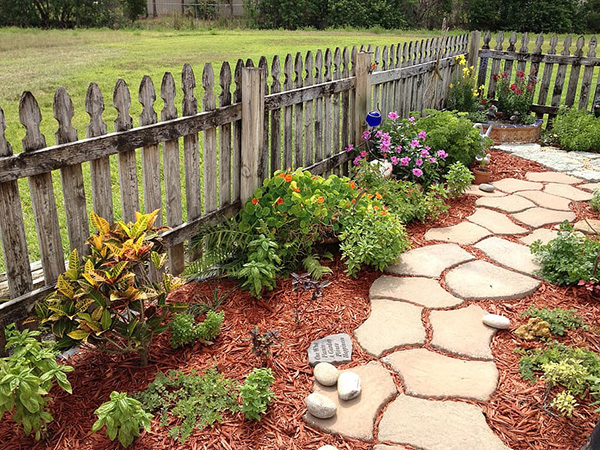
The Benefits of Mulching: How to Improve Soil Health and Plant Growth
- By the dedicated team of editors and writers at Newsletter Station.
Mulching is one of the simplest yet most effective gardening and landscaping practices available to homeowners and gardening enthusiasts. Whether you're growing flowers, vegetables, shrubs, or trees, applying mulch can significantly improve plant health while reducing maintenance throughout the growing season.
From conserving moisture and suppressing weeds to enriching the soil and enhancing curb appeal, mulch offers numerous advantages, making it a valuable addition to virtually any landscape. Understanding how mulches work and how to apply them correctly can help you create a healthier, more productive garden.
What Is Mulch?
Mulch is any material spread over the surface of the soil to protect and improve growing conditions for plants. It serves as a barrier between the soil and the environment, helping regulate moisture, temperature, and weed growth.
Mulches generally fall into two categories:
Organic Mulches
Organic mulches decompose over time, adding nutrients and organic matter to the soil.
Popular organic mulch options include:
Wood chips
Bark mulch
Straw
Pine needles
Shredded leaves
Grass clippings
Compost
Inorganic Mulches
Inorganic mulches do not break down as quickly and are often chosen for their durability.
Common inorganic mulches include:
Gravel
Decorative stone
Landscape fabric
Rubber mulch
Both types can be effective, depending on your gardening goals and landscape design preferences.
Key Benefits of Mulching
Applying mulch provides several important benefits that contribute to healthier plants and more attractive landscapes.
Conserves Soil Moisture
One of the most significant advantages of mulch is its ability to reduce water evaporation from the soil surface.
Benefits include:
Improved moisture retention
Less frequent watering
Better drought tolerance
Reduced water waste
This is especially valuable during hot summer months when plants are more susceptible to water stress.
Suppresses Weed Growth
Mulch acts as a natural weed barrier by limiting sunlight exposure to weed seeds.
As a result:
Fewer weeds germinate
Existing weeds struggle to spread
Plants face less competition for water and nutrients
A properly applied mulch layer can dramatically reduce the time spent weeding throughout the growing season.
Regulates Soil Temperature
Mulch serves as an insulating layer that helps moderate soil temperatures year-round.
During summer, mulch helps keep soil cooler and protects plant roots from excessive heat.
During winter, mulch helps:
Reduce freeze-thaw cycles
Protect roots from extreme cold
Improve plant survival rates
This temperature stability promotes healthier root systems and stronger plant growth.
Improves Soil Health
Organic mulches provide long-term soil benefits as they gradually decompose.
Over time, decomposing mulch can:
Increase organic matter
Improve soil structure
Enhance water infiltration
Encourage beneficial microorganisms
Improve nutrient availability
Healthy soil creates an ideal environment for strong root development and vigorous plant growth.
Reduces Soil Erosion
Heavy rain and irrigation can wash away valuable topsoil.
Mulch helps protect the soil surface by:
Reducing runoff
Preventing soil displacement
Improving water absorption
This protection is particularly beneficial on slopes and areas prone to erosion.
Enhances Landscape Appearance
In addition to its practical benefits, mulch provides a clean, finished appearance to gardens and landscapes.
Fresh mulch can:
Create visual contrast around plants
Highlight landscape features
Improve curb appeal
Give garden beds a well-maintained look
Many homeowners choose mulch as much for its aesthetic value as for its gardening benefits.
Choosing the Right Mulch
Selecting the best mulch depends on your specific plants, climate, and landscaping goals.
Best Mulches for Vegetable Gardens
Vegetable gardeners often prefer:
Straw
Compost
Shredded leaves
These materials break down relatively quickly and contribute nutrients to the soil.
Best Mulches for Flower Beds
Flower gardens commonly benefit from:
Bark mulch
Wood chips
Pine bark nuggets
These options provide attractive coverage while helping suppress weeds.
Best Mulches for Trees and Shrubs
Around trees and shrubs, consider:
Wood chips
Shredded bark
Pine needles
These materials help retain moisture and protect root systems.
How to Apply Mulch Properly
Proper application is essential to maximize the benefits of mulching.
Apply the Right Depth
Most garden beds benefit from a mulch layer approximately 2 to 4 inches deep.
Too little mulch may not effectively suppress weeds, while excessive mulch can limit airflow and trap moisture.
Keep Mulch Away from Stems and Trunks
Avoid piling mulch directly against plant stems, tree trunks, or shrub bases.
Excess moisture around the base of plants can lead to:
Rot
Fungal diseases
Pest problems
Instead, leave a few inches of open space around stems and trunks.
Refresh Mulch as Needed
Organic mulch gradually decomposes and settles over time.
Inspect mulch annually and replenish areas where the layer has become thin or uneven.
Regular maintenance helps preserve its effectiveness and appearance.
Potential Drawbacks to Consider
While mulch offers many benefits, it should be used thoughtfully.
Potential concerns include:
Excessively deep mulch layers can suffocate roots.
Some organic mulches may attract pests if not properly maintained.
Poor drainage combined with heavy mulching can contribute to fungal issues.
Certain inorganic mulches may increase heat retention in hot climates.
Monitoring your garden regularly helps prevent these issues and ensures mulch continues to support healthy growth.
Tips for Successful Mulching
To get the best results:
Remove weeds before applying mulch.
Water the soil thoroughly before mulching.
Choose mulch appropriate for your plants and climate.
Avoid creating "mulch volcanoes" around trees.
Replenish organic mulch annually as needed.
Inspect regularly for pests and disease concerns.
Following these simple practices can help maximize the long-term benefits of mulching.
Mulching is one of the most effective ways to improve soil health, conserve moisture, reduce weeds, and protect plants from environmental stress. Whether you choose organic materials like wood chips and compost or durable inorganic options such as gravel, proper mulching can dramatically improve the health and appearance of your landscape.
By selecting the right mulch, applying it correctly, and maintaining it year-round, you can create a thriving garden that requires less upkeep while producing healthier, more vibrant plants. For gardeners of all experience levels, mulching remains one of the smartest investments you can make in your outdoor space.