Where Your Home Uses the Most Electricity: Smart Energy-Saving Tips
- By the dedicated team of editors and writers at Newsletter Station.
Electricity is essential to modern living, powering everything from lighting and appliances to heating, cooling, and entertainment systems. However, with rising energy costs and increased focus on sustainability in 2026, understanding where your home uses the most electricity is more important than ever.
By identifying high-consumption areas and making small changes, you can reduce your energy bills, improve efficiency, and lower your environmental impact without sacrificing comfort.
Heating and Cooling Systems (Biggest Energy Users)
Heating and cooling systems typically account for the largest share of household electricity use. HVAC systems operate continuously to maintain comfortable indoor temperatures, especially during extreme weather.
Energy-saving tips:
Install a programmable or smart thermostat
Upgrade to an energy-efficient HVAC system
Improve home insulation (windows, doors, attic)
Use ceiling fans and natural ventilation when possible
Schedule regular HVAC maintenance
Modern smart thermostats in 2026 can automatically adjust temperatures based on your habits, significantly improving efficiency.
Lighting Throughout the Home
Lighting remains a significant source of energy consumption, especially in homes that still use outdated bulbs.
Energy-saving tips:
Switch to LED lighting (up to 80% more efficient than incandescent bulbs)
Use motion sensors or timers in less-used areas
Maximize natural daylight during daytime hours
Turn off the lights when leaving a room
Smart lighting systems are also increasingly popular, allowing remote control and automated scheduling for better efficiency.
Kitchen Appliances
The kitchen is one of the most energy-intensive areas of the home. Appliances like refrigerators, ovens, dishwashers, and microwaves account for a significant share of electricity use.
Energy-saving tips:
Use ENERGY STAR® certified appliances
Run dishwashers only with full loads
Keep refrigerator coils clean and doors sealed tightly
Use microwaves or air fryers for small meals instead of ovens
Cook with lids on to retain heat and reduce cooking time
Regular maintenance can also help appliances run more efficiently and last longer.
Laundry Appliances
Washing machines and dryers consume both electricity and water, especially when used inefficiently.
Energy-saving tips:
Wash clothes in cold water when possible
Run full loads instead of multiple small cycles
Air-dry clothes whenever the weather allows
Clean dryer lint filters regularly to improve efficiency
Consider high-efficiency (HE) washer and dryer models
Front-loading machines are generally more energy-efficient than top-loading models.
Electronics and Entertainment Devices
Modern homes rely heavily on electronics such as TVs, computers, gaming consoles, and streaming devices—all of which can draw power even when not in use.
Energy-saving tips:
Unplug devices when not in use or use smart power strips
Enable energy-saving or sleep modes on devices
Reduce standby (“phantom”) power consumption
Charge devices only when needed
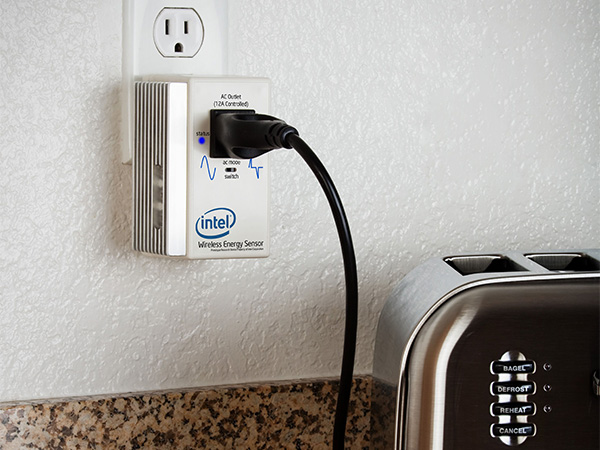
Smart plugs and home energy monitors are increasingly useful tools in 2026 for tracking and reducing unnecessary energy usage.
Standby Power (Hidden Energy Drain)
One of the most overlooked sources of electricity use is standby power. Many devices continue to consume energy even when turned off but still plugged in.
Reducing standby power can lead to noticeable savings over time, especially in homes with multiple smart devices.
Understanding where your home consumes the most electricity is the first step toward smarter energy management. Heating and cooling, lighting, appliances, and electronics all contribute to overall usage—but small, consistent improvements can lead to meaningful savings.
By adopting energy-efficient appliances, leveraging smart home technology, and building simple daily habits, you can reduce your electricity bills while supporting a more sustainable future in 2026 and beyond.