
Best Paint Colors for a Relaxing, Stylish Bedroom
Explore soothing paint colors like soft blues, warm neutrals, gentle purples, and earthy tones to create a relaxing, stylish bedroom tailored to your personal comfort and taste.

Explore examples of the useful, professionally written articles available for your newsletter.
Explore soothing paint colors like soft blues, warm neutrals, gentle purples, and earthy tones to create a relaxing, stylish bedroom tailored to your personal comfort and taste.
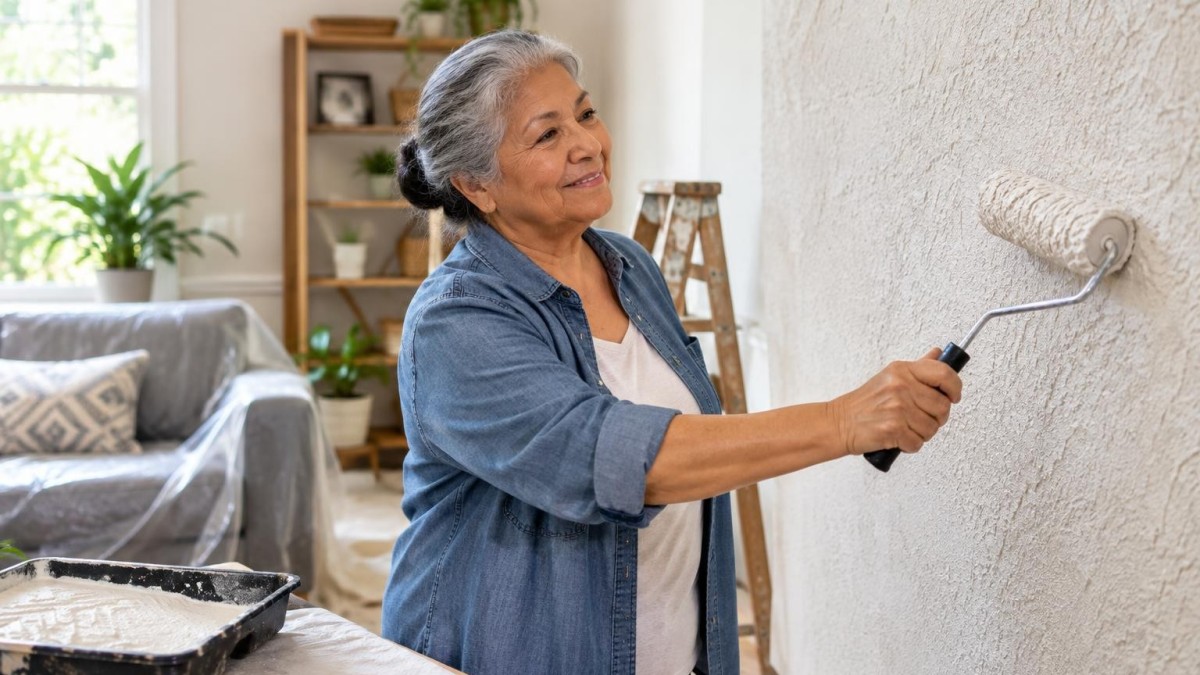
Textured paint enhances your walls with depth, hides imperfections, and boosts durability, offering a stylish and practical upgrade for high-traffic or decorative spaces.

Choosing the right accent wall color involves matching hues to room purpose, coordinating with your décor, testing samples in various lighting, and selecting the ideal wall and finish to create a…
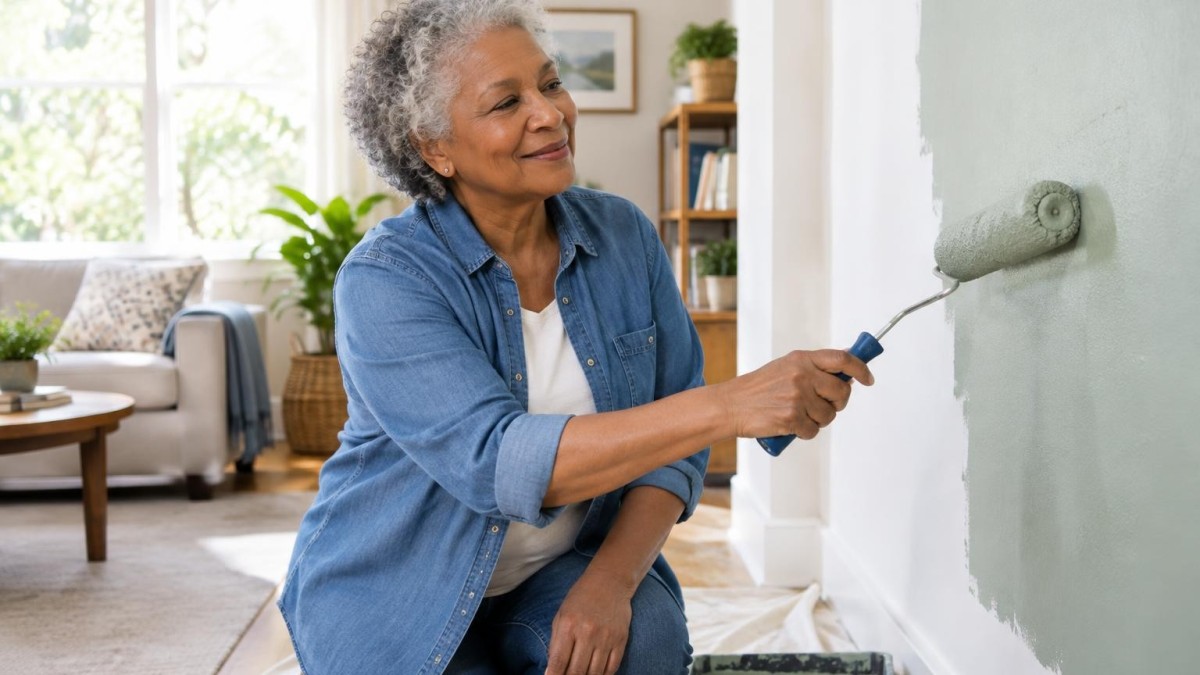
Peeling wall paint often signals issues like moisture, poor prep, or low-quality paint. Understanding these causes helps you protect your walls and maintain a lasting, attractive finish.

Learn to match paint colors by testing samples in real light, understanding undertones, considering room use, and selecting the right finish for a perfect look.
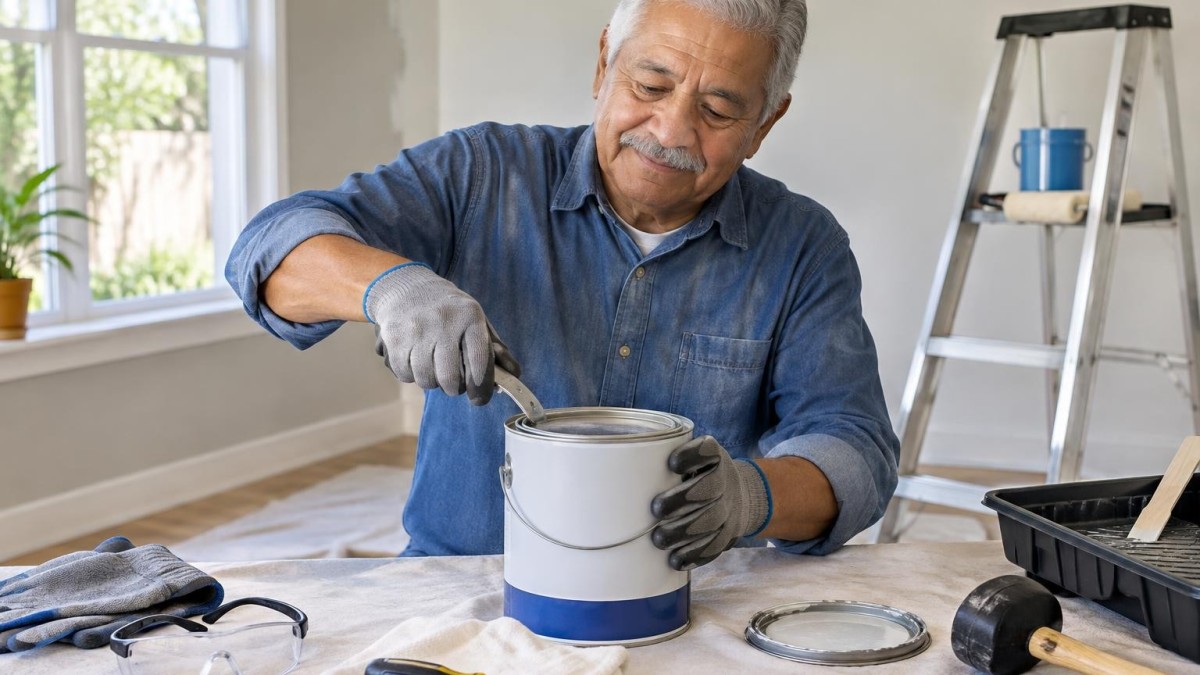
Learn how to open, use, and reseal paint cans properly to keep your paint fresh, avoid messes, and make future touch-ups easier with these practical tips.
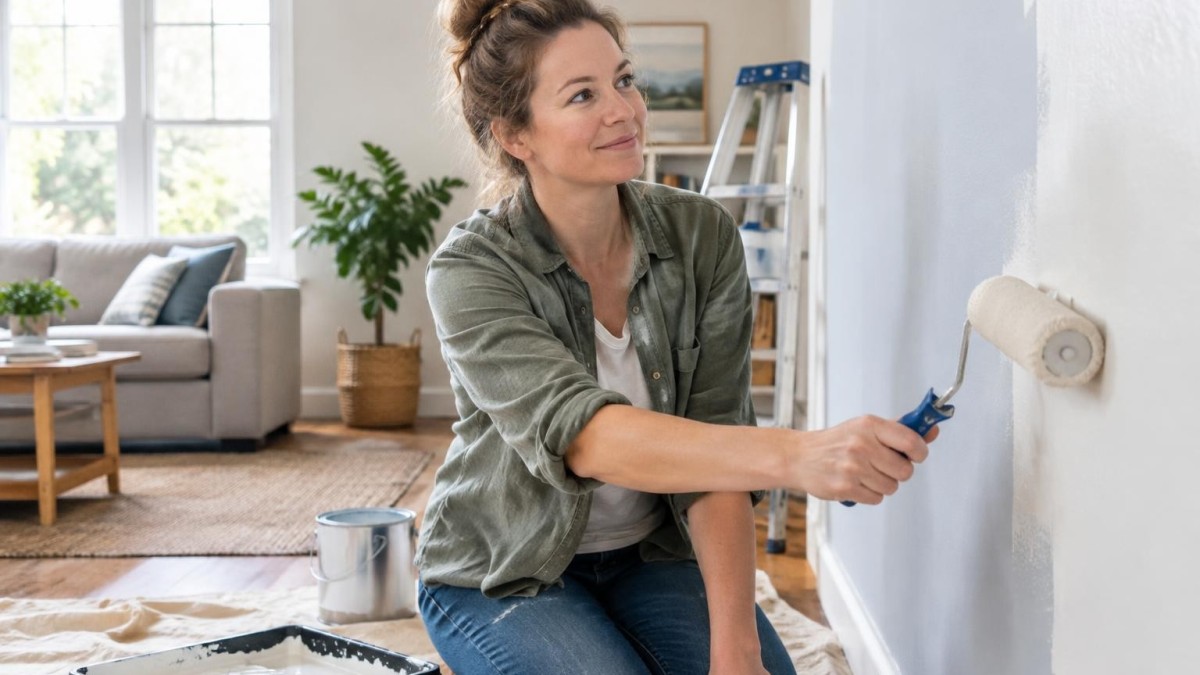
Recognize seven key signs that your home's interior walls need repainting, from faded colors and damage to updated styles and air quality, with tips to refresh and protect your spaces effectively.
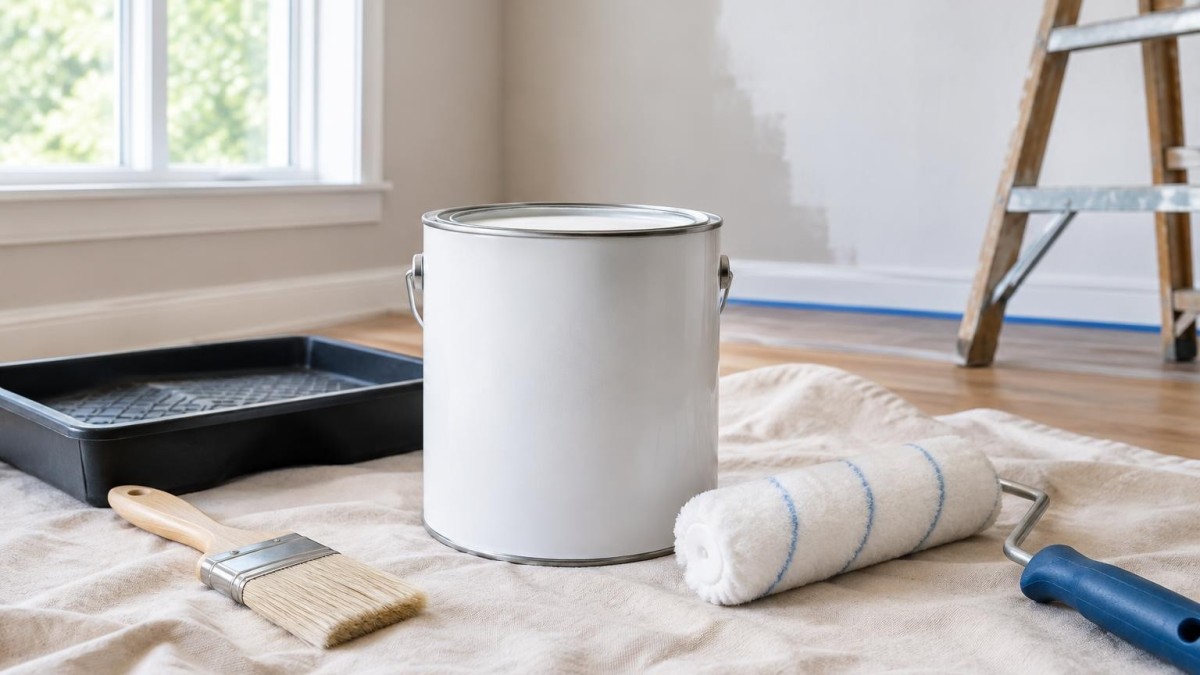
Using primer on new, bare, stained, glossy, or repaired surfaces improves paint adhesion, evens coverage, blocks stains, and supports dramatic color changes for a lasting finish.

For a durable exterior paint job, paint in mild, dry weather with temperatures between 50 and 85°F, ensuring surfaces are fully dry and properly prepped before starting.

Fix small paint drips on your wall by letting paint dry fully, gently scraping off raised spots, sanding smooth, cleaning dust, priming if needed, and repainting carefully to blend the repair.
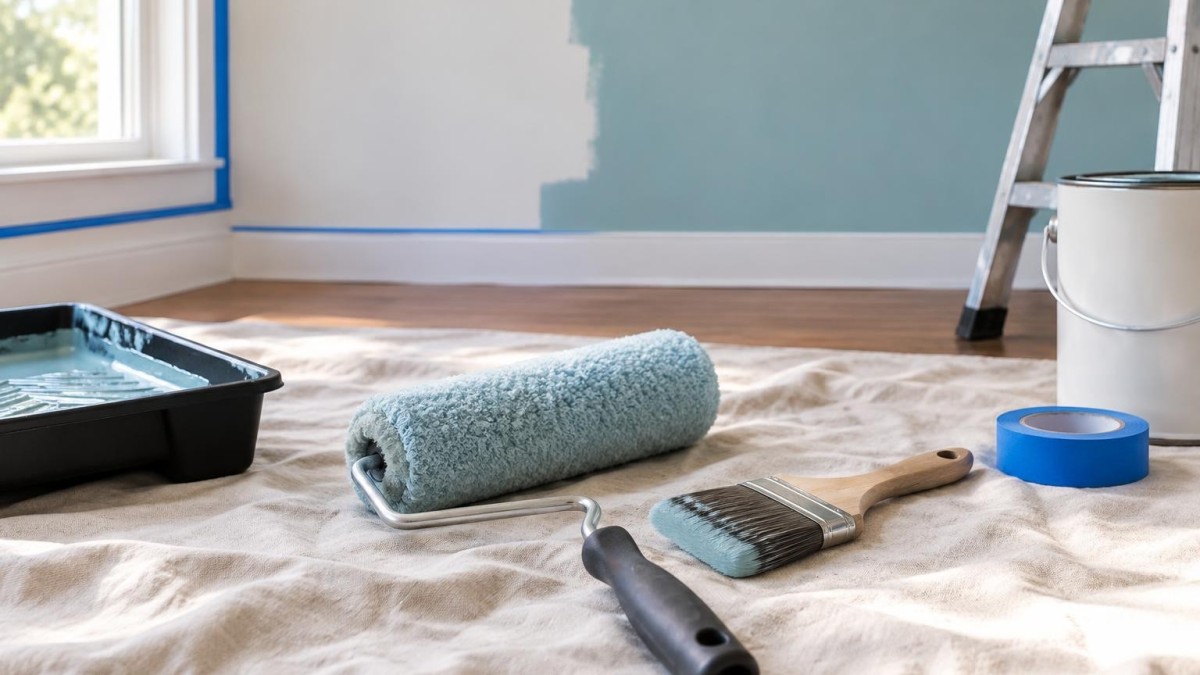
Use paint rollers for large, smooth surfaces to cover areas quickly and brushes for trimming and detailed work. Combining both tools delivers efficient, professional painting results.

Avoid common ceiling painting mistakes by properly preparing surfaces, choosing suitable paint and tools, using safe techniques, and planning paint quantity for a smooth, professional finish.