
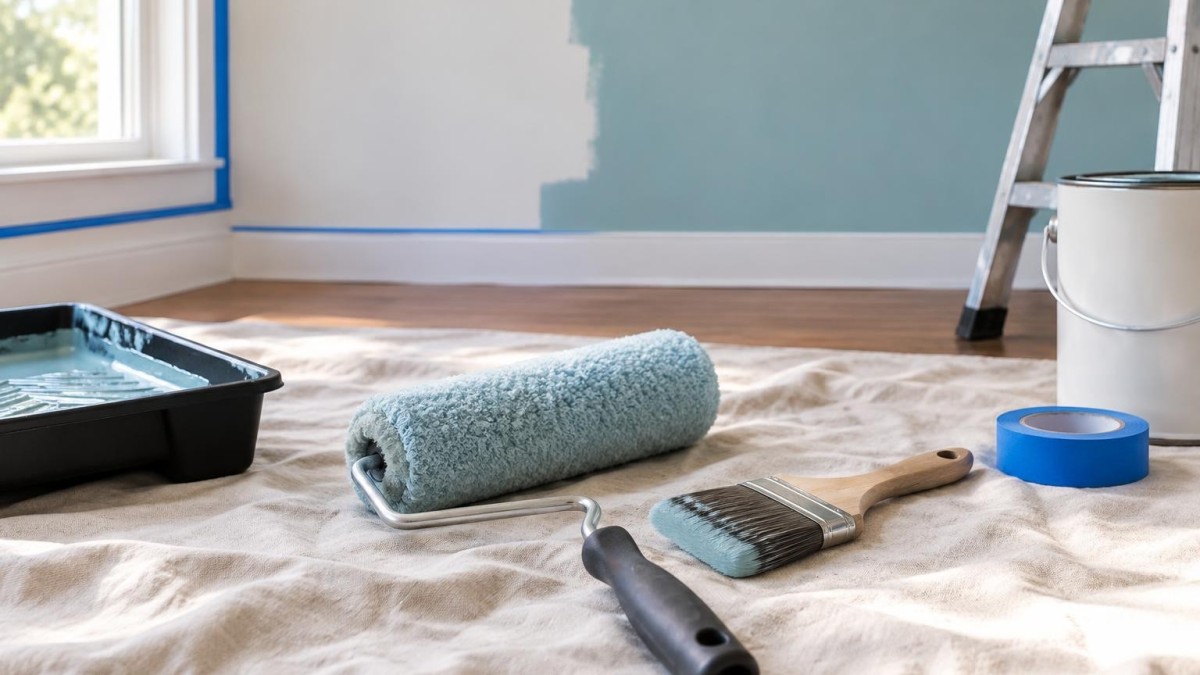
Choosing Between Rollers and Brushes
When you’re ready to refresh your walls or furniture with paint, selecting the right tools can make a noticeable difference in both the ease of your project and the quality of the finish. Paint rollers and brushes each have strengths suited to different parts of painting jobs, and understanding when to use each will help you get professional-looking results without unnecessary hassle.
When to Use a Paint Roller
Paint rollers excel at covering large, flat surfaces quickly and evenly. They’re perfect for walls, ceilings, and broad furniture surfaces because the roller can hold plenty of paint and lay it down smoothly, saving you time and effort. Choosing the right roller nap is important: short naps work best on smooth surfaces, while longer naps grab more paint and fit textured walls better. Using a roller helps you avoid brush marks and speeds up coverage on bigger areas.
When a Brush Is Your Best Bet
Brushes offer precision and control that rollers can’t match. They’re ideal for trimming around edges, corners, door frames, window casings, and any detailed or tricky areas. Brushes also work well for furniture or smaller projects where neatness and accuracy count. Modern synthetic-bristle brushes pair well with water-based paints, while natural bristles are often better suited to oil-based paints. Choosing an appropriate size and shape brush makes specialty finishes and detailed work more manageable.
Combining Tools for Better Results
Most successful DIY painters find that using both tools together creates the best finish. Start by cutting in with a brush along edges and hard-to-reach spots, then move to a roller to cover wider sections efficiently. For furniture pieces, a small roller can achieve smooth coverage on flat surfaces, with a brush used to carefully tackle corners and intricate details. This combination lets you work faster and cleaner while maintaining control where you need it.
Extra Tips for a Smooth Painting Experience
Preparation matters: clean and repair surfaces before painting, protect your space with drop cloths and painter’s tape, and don’t overload your brush or roller with paint. Applying multiple thin coats steadily beats slathering on one heavy layer. Maintain a wet edge with rollers to avoid marks, and clean your tools promptly after finishing to extend their usable life. Investing in quality brushes and rollers also pays off with better results and less frustration.
Ultimately, whether you choose brush or roller depends on the surface, project size, paint type, and finish you want. Leveraging both can help you tackle your painting project more efficiently and produce a polished look you’ll be proud of.
Newsletter Station provides professionally written, ready-to-send newsletters customized for your market and brand.
EXPLORE NEWSLETTER OPTIONS