
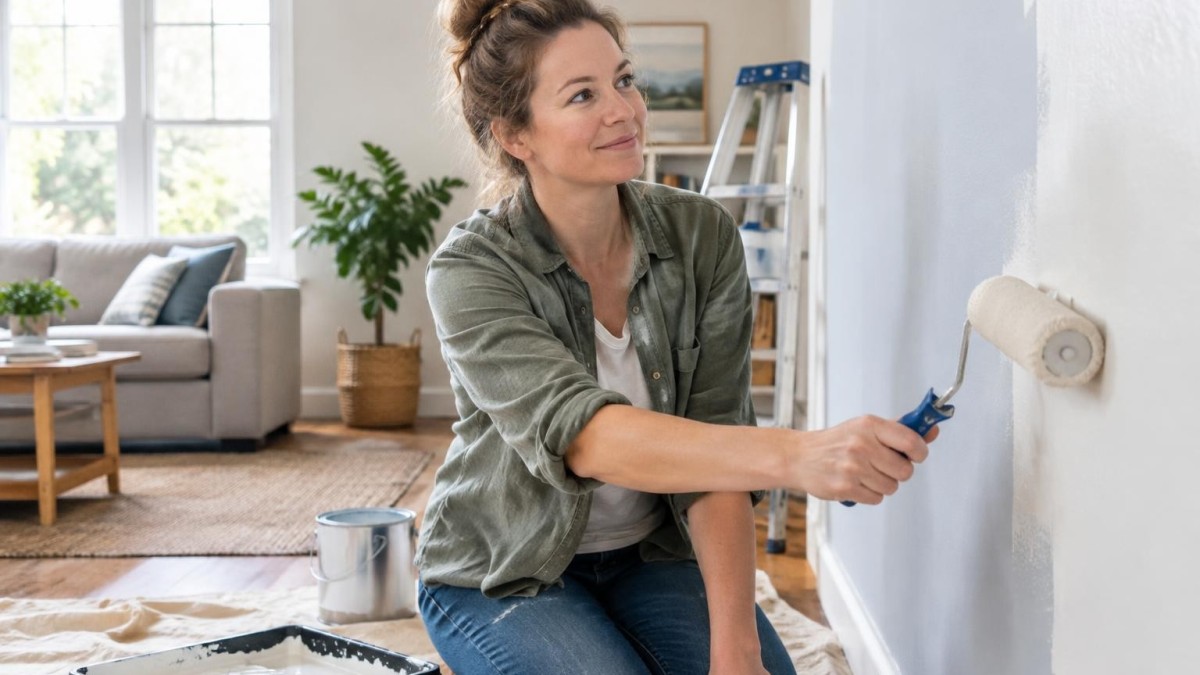
When to Refresh Faded and Discolored Walls
Sunlight exposure can dull your walls, especially in rooms with large windows or southern exposure. You may notice color differences where furniture or artwork once stood, signaling the paint’s fade over time. Rather than patching individual spots, repainting entire walls often creates a more even, refreshed look. Choosing high-quality paints designed to resist fading and using window coverings can help preserve your colors.
Addressing Paint Damage and Stains
Peeling, cracking, or bubbling paint usually indicates underlying issues like moisture or improper prep work. Areas like kitchens and bathrooms are most affected by humidity fluctuations. Fixing these problems first—such as repairing leaks or improving ventilation—is essential before repainting.
Stubborn stains and marks, from cooking grease to scuffs and smoke residues, can’t always be cleaned away. Testing a mild cleaner on a small area helps determine if repainting is needed. Using stain-blocking primers and washable paints can prevent future discoloration and ease maintenance in busy spaces.
Updating Colors and Matching Room Function
Your current wall colors might be fine but no longer fit your style or furniture. Changing paint provides a budget-friendly way to harmonize your rooms with updated décor or new uses. Choose colors that complement your lighting and furnishings, and always test samples over several days to see how hues truly appear in the space.
As your lifestyle evolves, so do your rooms. Painting can adapt a space’s atmosphere to new purposes, like turning a child’s room into a home office or creating a calming bedroom retreat. Select shades that support how you use the room—for example, neutrals for focus or soft tones for relaxation.
Signs of Wear and Maintenance Tips
High-traffic areas quickly show dents, scratches, and scuffs which accumulate, making the space look worn. Assess if spot touch-ups will work or if full repainting is needed, keeping in mind that aged paint color and finish can differ from new paint. Durable, washable finishes like satin or eggshell provide extra protection for busy rooms.
Improving Air Quality and Odor Issues
Accumulated residues can cause lingering odors that cleaning alone won’t fix. Painting over these without addressing sources like mold or poor ventilation may temporarily mask problems. Thorough cleaning, odor-blocking primers, and low-VOC paints combined with proper ventilation help improve indoor air quality during and after painting.
How Often Should You Repaint?
There’s no set timeframe for repainting. Rooms with heavier use often need fresh coats every 3 to 5 years, while less-used spaces may last 7 to 10 years or more. Regularly inspecting your walls for fading, damage, or stains helps decide when it’s time to refresh.
Proper preparation—cleaning, repairing surfaces, priming—is key to a long-lasting paint job. Selecting paint suited to each room’s conditions ensures durability and keeps your home looking fresh, comfortable, and well cared for over time.
Newsletter Station provides professionally written, ready-to-send newsletters customized for your market and brand.
EXPLORE NEWSLETTER OPTIONS