


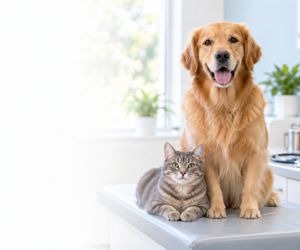










Signs of Dehydration in a Cat or Dog: What Every Pet Owner Should Know
Learn to recognize dehydration in cats and dogs by spotting signs like sunken eyes, dry gums, and lethargy, and find practical tips to prevent and treat it effectively.


Articles selected for your market and a professionally written feature give readers a reason to open and enjoy every issue.

Your logo, colors, tagline and website links create a polished newsletter that looks and feels unmistakably yours.

FLEX and PLUS let you add personal messages and promotions while highlighting important products, services, events and opportunities.
Each issue combines fresh content, your branding and your own messages in a professional newsletter designed to keep you connected with your clients.
|
| FEATURES |
|
Personal Message & Profile
FLEX & PLUS
Open each issue with your own message, photo or logo, and contact information, creating a personal connection with your readers.
|
|
Your Identity & Navigation
Your name, newsletter title, colors and website links give every issue a consistent, recognizable identity while making it easy for readers to connect with you.
|
|
Featured Article & Branded Page
Each issue leads with a professionally written feature created for your market.
The full article appears on a landing page displaying your newsletter name or logo, creating a seamless extension of your publication.
|
|
Fresh, Relevant Content
Beyond the featured article, each issue includes useful content selected for your market, giving readers more reasons to open, read and engage.
|
|
Custom Graphics & Promotions
FLEX & PLUS
Highlight what matters most—products, services, events, announcements or special offers—with custom promotional graphics placed directly in your newsletter.
|
|
Engaging Extras
Cartoons, trivia, quotes and other entertaining features add variety and make every issue more enjoyable to read.
|
|
Contact, Social & Archives
At the bottom of every issue, readers can easily find your contact information, social media links and newsletter archives.
|
| WHY IT WORKS |
|
Pet owners have questions about their pets’ health and behavior throughout the year—not just when they have an appointment. A regular newsletter gives your practice an opportunity to provide clear, useful information that helps clients recognize potential concerns and stay proactive about preventive care. You can cover topics such as vaccinations, nutrition, dental care, parasite prevention, exercise, senior pet health and seasonal safety. Helpful content demonstrates your expertise while giving pet owners practical information they can use to keep their animals healthy and comfortable. Consistent communication also keeps your practice connected with clients between visits. A newsletter provides a natural way to share seasonal reminders, introduce services, highlight members of your veterinary team and explain changes or updates at your practice. Most importantly, valuable content builds trust and keeps your practice top of mind. When pet owners have a health concern, need preventive care or are simply looking for reliable veterinary advice, regular communication helps ensure your practice is the one they think of first. |
See what your newsletter could look like before creating an account. Then choose your plan and follow a guided setup to receive a professionally prepared newsletter every week.
Enter your organization name and select your market in our Preview Form to see a newsletter with your organization's name as the newsleter logo. To request a personalized free sample with your own logo and branding, Get Started.
Start with FREE to send your newsletter using your preferred email platform, choose FLEX to add a personal opening message and two promotions, or PLUS for managed delivery. Get Started.
Choose an email marketing platform that fits your list and sending needs. FREE and FLEX clients can use their preferred platform. Contact limits and service fees are determined by the provider.
Newsletter Station prepares a new issue each week. FREE and FLEX clients review their newsletter, copy the email-ready HTML code, and manage sending. PLUS clients receive managed scheduling and delivery.
Explore examples of the useful, professionally written articles available for your newsletter.
Learn to recognize dehydration in cats and dogs by spotting signs like sunken eyes, dry gums, and lethargy, and find practical tips to prevent and treat it effectively.

Pale gums in dogs can indicate conditions like anemia, shock, dehydration, heart disease, or toxin exposure. Prompt veterinary evaluation is important for early diagnosis and treatment.
Stomach issues in pets often stem from dietary indiscretions, sudden diet changes, allergies, infections, parasites, or stress; prevention and vet care ensure better digestive health.