
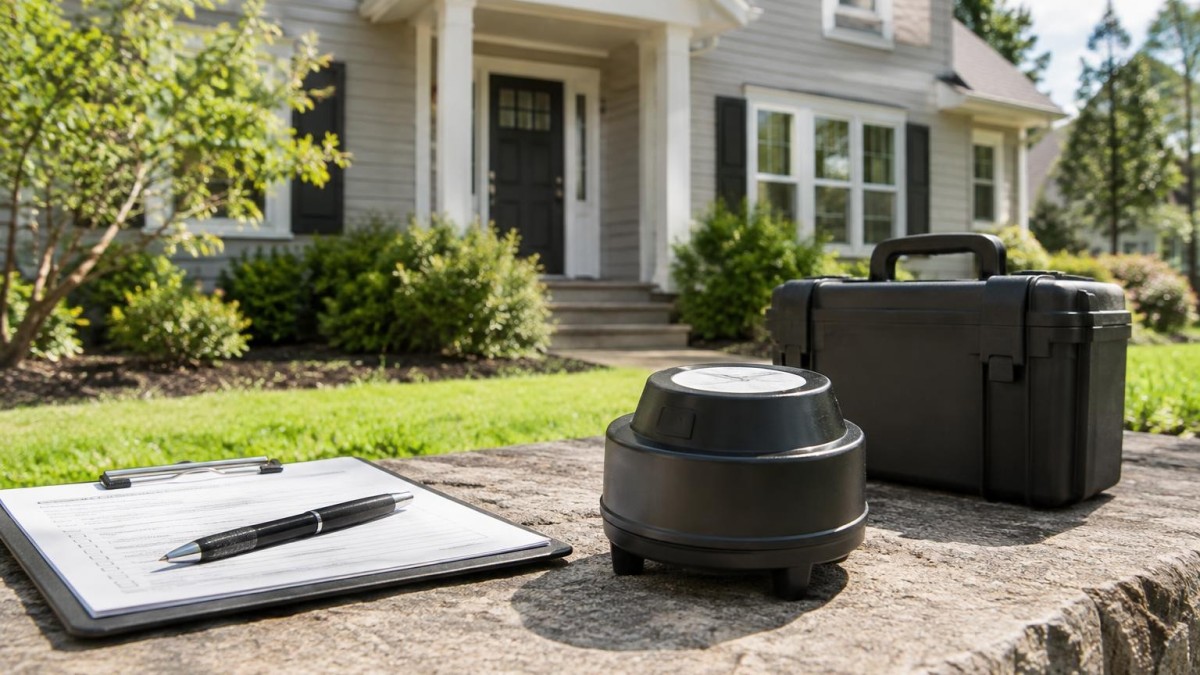
Understanding Environmental Hazards in Real Estate
Did you know that certain environmental hazards, like radon gas or asbestos, can linger unnoticed in homes for years before discovery? For real estate agents, knowing how to navigate these issues when they arise during a transaction is essential both for protecting clients and facilitating a smooth process.
Disclosure Responsibilities and Protecting Your Clients
When environmental hazards are identified—whether through inspection, buyer inquiry, or seller disclosure—it’s important for agents to clearly communicate the potential risks and legal obligations involved. Many states require sellers to disclose known issues such as radon levels above safety guidelines, presence of asbestos, or soil contamination. As the agent, guiding your clients through these disclosures helps establish trust and reduces liability.
For buyers, understanding the nature of the hazard is crucial. Radon, for example, is a naturally occurring radioactive gas that can accumulate indoors and increase lung cancer risk over time. Asbestos, often found in older building materials, can pose health threats if disturbed during renovations. Environmental contamination might include pollutants in soil or groundwater that affect property value and safety.
Negotiations and Remediation Options
Once a hazard is identified, negotiations between buyer and seller often focus on how to address it. This could mean requesting remediation or repairs, adjusting the sale price to reflect the risk and cost of cleanup, or agreeing on post-sale treatments. Agents can help by connecting clients with qualified environmental inspectors and remediation specialists, ensuring informed decisions.
Keep in mind that remediation timelines and costs vary widely. For example, radon mitigation systems can often be installed efficiently, while asbestos removal may require specialized contractors and permits. Soil contamination cleanup might take months and involve regulatory agencies. Transparency about these factors helps manage expectations.
Practical Guidance to Smooth Transactions
Agents should encourage early testing when clients suspect potential hazards, helping to uncover issues before offers are made. Maintaining clear, documented communication about findings and agreed remedies supports a smoother process and protects all parties. Advising clients to obtain an independent environmental inspection can offer peace of mind and strengthen negotiating positions.
Ultimately, addressing environmental hazards thoughtfully increases buyer confidence and helps preserve property value. Being well-informed about these risks and legal requirements enhances your role as a trusted advisor throughout the real estate journey.
Newsletter Station provides professionally written, ready-to-send newsletters customized for your market and brand.
EXPLORE NEWSLETTER OPTIONS