
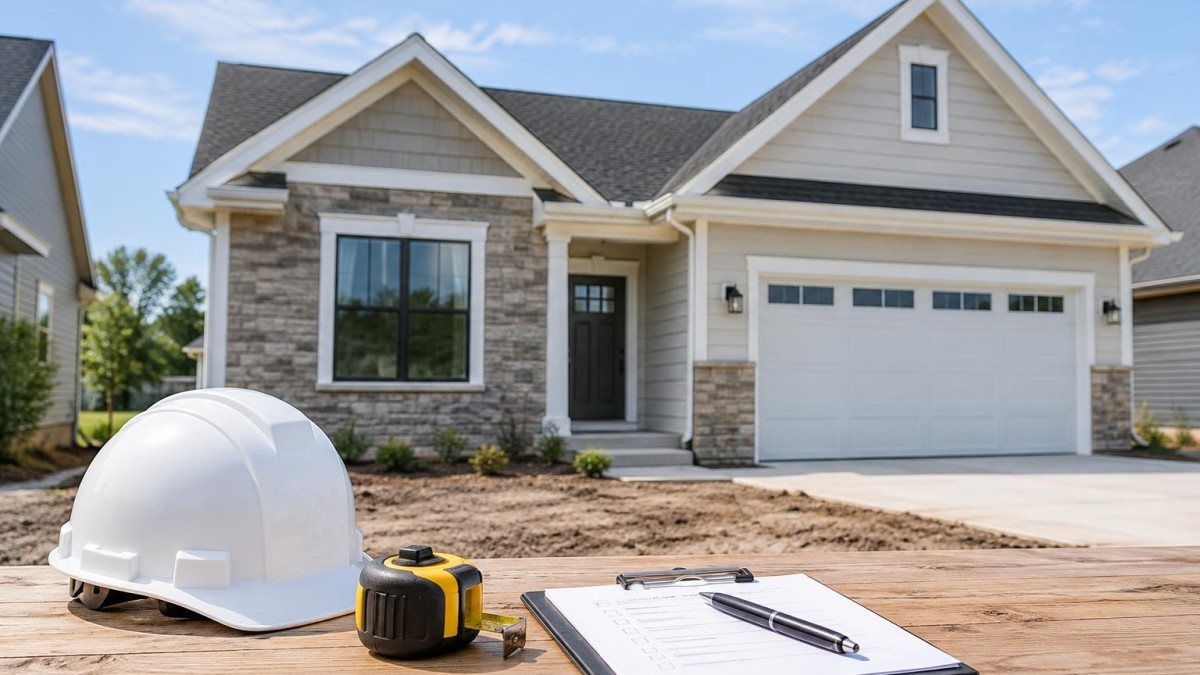
Construction Defects and Their Impact on Purchase Agreements
When buyers are considering newly constructed homes, discovering construction defects can complicate purchase agreements in significant ways. Unlike resale homes, new builds often come with the expectation of quality and warranties, so defects can shift the dynamics of negotiation and legal obligations. Understanding how construction defects affect purchase agreements is crucial for real estate agents assisting buyers during due diligence and contract phases.
Identifying Construction Defects Early in the Process
Construction defects may range from minor cosmetic issues to serious structural problems. Common examples include improper framing, faulty wiring, water leaks, or inadequate insulation. Buyers usually uncover these defects during inspections or walkthroughs before closing. Early identification allows for timely dialogue between buyer, seller, and builder, which can lead to negotiated repairs, price adjustments, or contract contingencies. Agents should encourage thorough inspections and help clients document any concerns clearly and promptly to strengthen their position.
How Defects Influence Remedies Within Purchase Agreements
Purchase agreements typically outline remedies available to buyers when defects are found. These can include repair obligations by the builder, price reductions, escrow holdbacks for future repairs, or in some cases, cancellation of the contract. It's important that the agreement specifies the scope and timeline for addressing defects, as well as consequences if the builder fails to act. Agents can guide buyers by clarifying these contract terms and coordinating dialogue with legal counsel or the builder’s representatives, ensuring that buyer interests are protected.
Additionally, new construction often comes with statutory warranties covering materials and workmanship. Knowing the duration and coverage of these warranties helps buyers understand their rights after closing. Agents can remind buyers to document defects and report issues within warranty periods to avoid disputes later.
Navigating Negotiations and Protecting Buyer Interests
Negotiating around construction defects requires a balance of professionalism and assertiveness. Real estate professionals can serve as valuable intermediaries by facilitating communication between buyers and builders, providing updated information as repairs progress, and managing expectations. Clear timelines and written agreements about repair work help prevent misunderstandings.
Sometimes, defects reveal deeper problems that prompt buyers to reconsider their purchase altogether. Agents should be prepared to advise clients on the possible financial and legal ramifications of proceeding or backing out, always encouraging consultation with qualified attorneys when needed.
In today’s competitive market for new homes, being well informed about how construction defects affect purchase agreements allows agents to anticipate challenges and advocate effectively for buyers. This knowledge supports smoother transactions and protects all parties’ interests.
Key Takeaway
Construction defects can complicate new home purchases but addressing them early with clear contractual remedies and open communication helps safeguard buyers and facilitates fair resolutions.
Newsletter Station provides professionally written, ready-to-send newsletters customized for your market and brand.
EXPLORE NEWSLETTER OPTIONS