
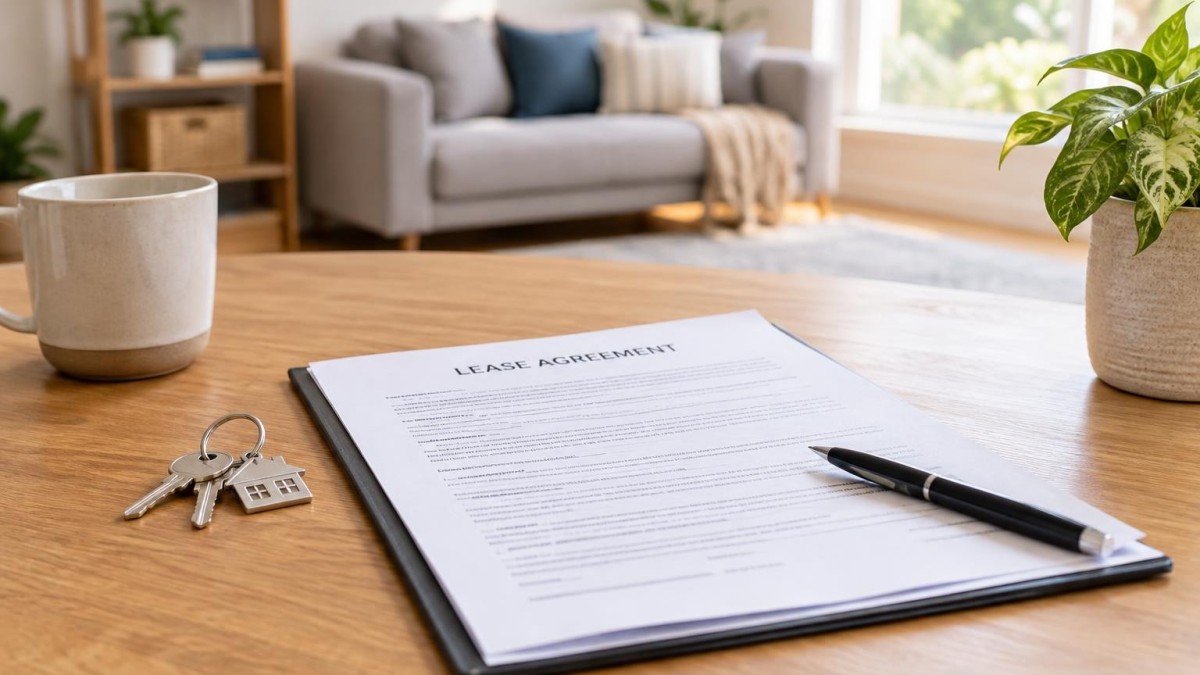
Understanding Lease Agreements
Renting a home or apartment often means signing a lease agreement, a document that protects both you and the landlord. However, lease agreements can sometimes feel overwhelming due to legal language and details. Knowing the key clauses to watch can help you avoid disputes and unexpected costs.
Important Clauses to Review
Start by checking the length of the lease term. It specifies how long you commit to rent. Ending a lease early might come with fees or penalties, so make sure you understand the conditions before signing.
Next, look at the rent amount and payment terms. This includes due dates, where and how to pay, and any late fees charged if payments are late. Clarify if utilities like water or electricity are included or if you’re responsible for them separately.
Pay attention to the security deposit details. Check how much is required, conditions for deductions, and when you can expect the deposit to be returned after moving out. This helps protect your money and avoid disputes later.
Rules and Responsibilities
Many leases include clauses about maintenance and repairs. Understand who handles issues like plumbing problems or appliance breakdowns. Some landlords expect tenants to take care of minor repairs, so clarify these points upfront.
Also, review any restrictions on pets, smoking, or alterations to the rental unit. Knowing these limits helps maintain a good relationship with your landlord and neighbors.
Finally, check the conditions for renewing or ending the lease. Some leases renew automatically unless you notify the landlord, while others end on a set date. Being clear about this avoids surprises when your lease is up.
By carefully reading and understanding your lease agreement, you can protect yourself, maintain your rental home comfortably, and build a positive relationship with your landlord.
Newsletter Station provides professionally written, ready-to-send newsletters customized for your market and brand.
EXPLORE NEWSLETTER OPTIONS