
| Period | 20th Century |
|---|---|
| Place | South Asia |
| Worn By | Political Leaders, Activists, Common People |
| Typical Occasion | Political Rallies, Religious Ceremonies, Everyday Wear |
| Distinctive Details | Color and Style Signifying Regional, Religious, and Political Identity |
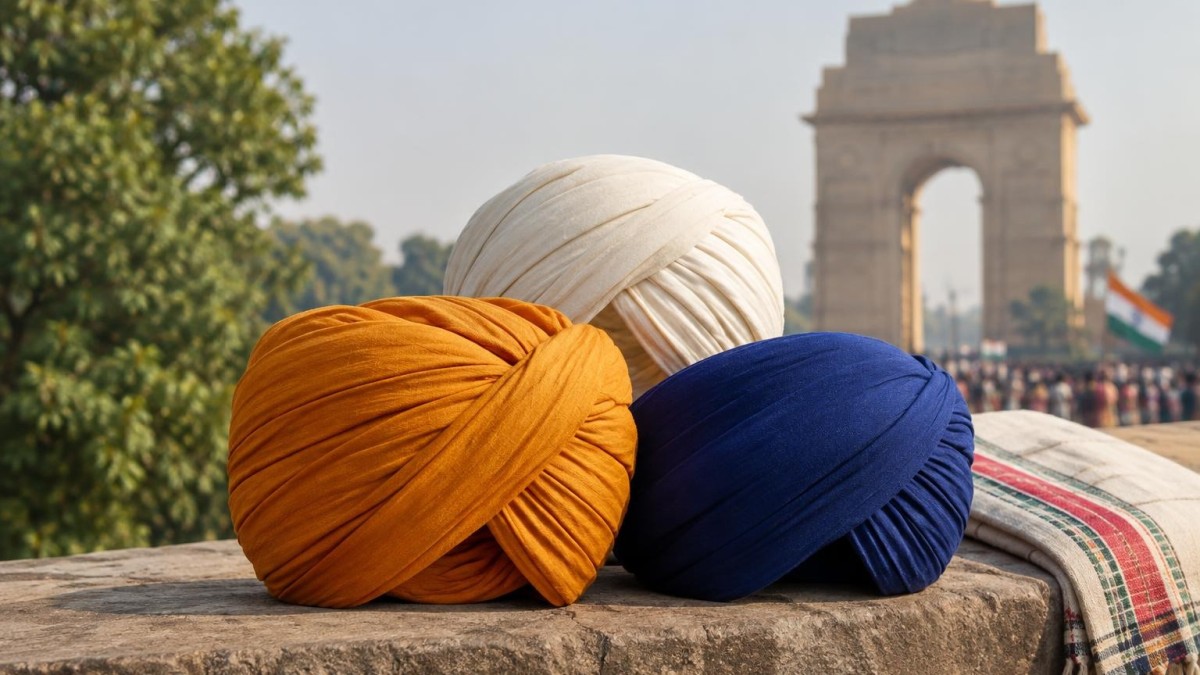
The turban in 20th century South Asia was far more than a fashion statement — it served as a powerful emblem of identity, resistance, and political conviction. Worn by leaders, activists, and everyday citizens, this traditional headwear helped express cultural pride and political allegiance in a century of change.
Symbols of Heritage and Resistance
Turban styles varied widely across South Asia, reflecting regional customs and religious affiliations. Sikh men, for example, traditionally wore tightly wrapped, neatly tied turbans that signified faith and discipline. In political contexts, the turban often took on greater meaning: it marked the wearer as part of a community standing against colonial rule or social injustice.
During India’s independence movement, many leaders donned distinctive turbans that connected them visibly to their roots and to collective defiance. Mohandas Gandhi occasionally wore simple head coverings echoing traditional Indian cloths, symbolizing unity with rural populations. Elsewhere, leaders and protesters used turban colors or wrapping styles to signal political loyalties or regional identities, transforming them into wearable banners of resistance.
Everyday Politics and Personal Pride
For many men across India, Pakistan, and Bangladesh, the turban was more than ceremonial—it was everyday attire that reinforced social status and cultural belonging. Its presence at political rallies and religious events made it a unifying feature, bridging social divides. Nail and beard grooming, along with the neatness of the turban itself, were also important signals of respectability and seriousness, reinforcing the message behind the turban’s wear.
Through decades of upheaval—the end of British colonialism, partition, and the emergence of new nations—the turban remained a striking visual and cultural constant. It embodied resilience and pride, reminding wearers and observers alike of deep ties to history, faith, and political identity.
Newsletter Station provides professionally written, ready-to-send newsletters customized for your market and brand.
EXPLORE NEWSLETTER OPTIONS