
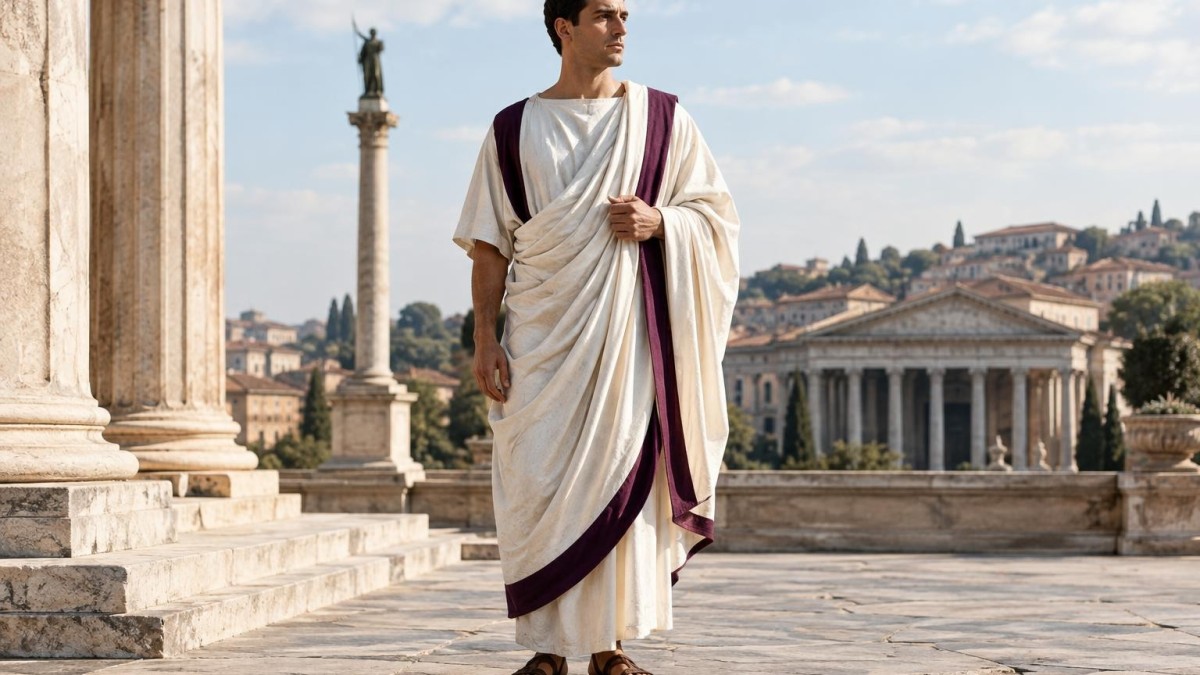
| Period | Ancient Rome, circa 3rd century BCE to 5th century CE |
|---|---|
| Place | Roman Republic and Empire |
| Worn By | Roman male citizens |
| Typical Occasion | Civic ceremonies, public offices, formal events |
| Materials | Primarily wool, sometimes linen |
| Distinctive Details | Large semicircular drape, variations in color and style denoting status |
The toga, an iconic garment of Ancient Rome, was more than just clothing; it was a symbol of citizenship, status, and social identity. Composed of a broad semicircular woolen cloth draped over the body, the toga’s voluminous folds created an imposing silhouette that communicated dignity and authority. Roman men donned it during public appearances, legal proceedings, and religious ceremonies, making the toga a central feature of civic life.
A Symbol of Citizenship and Status
Unlike everyday wear, the toga was reserved exclusively for free Roman male citizens, distinguishing them from slaves, foreigners, and women. Its use signified a man’s legal rights and participation in civic duties. The complexity and size of the toga, along with its distinct styles and colors, further conveyed social rank and political standing. For example, the plain white toga, or toga pura, was common for most adult males, while magistrates wore the toga praetexta bordered with a broad purple stripe, signaling their official authority.
Variations for Different Occasions
Different types of togas conveyed varied messages. The toga candida—a whitened and bright version—was worn by those campaigning for public office, its brightness symbolizing moral purity and sincerity. Mourning periods saw the use of the toga pulla in somber dark fabrics, while the toga picta, richly embroidered and dyed purple with gold, was reserved for victorious generals during triumphal celebrations and later for emperors. These distinctions allowed the toga to function as a visual language within Roman society, instantly communicating a wearer’s role and occasion.
Completing the Roman Look
Wearing the toga was an art in itself. The practical challenges of handling the heavy, cumbersome fabric required skillful draping, often performed by attendants. The look was complemented by traditional hairstyles, generally short and neat for men, and carefully maintained grooming that reinforced orderly citizenship ideals. Accessories were minimal, drawing attention to the toga’s folds and the wearer’s posture, highlighting the garment’s formal and dignified nature.
Ultimately, the toga’s popularity in Ancient Rome stemmed from its powerful symbolism and strict social code. It was never mere fashion, but a marker of identity, status, and participation in Rome’s civic life—something worn with pride and understood by all.
Newsletter Station provides professionally written, ready-to-send newsletters customized for your market and brand.
EXPLORE NEWSLETTER OPTIONS