
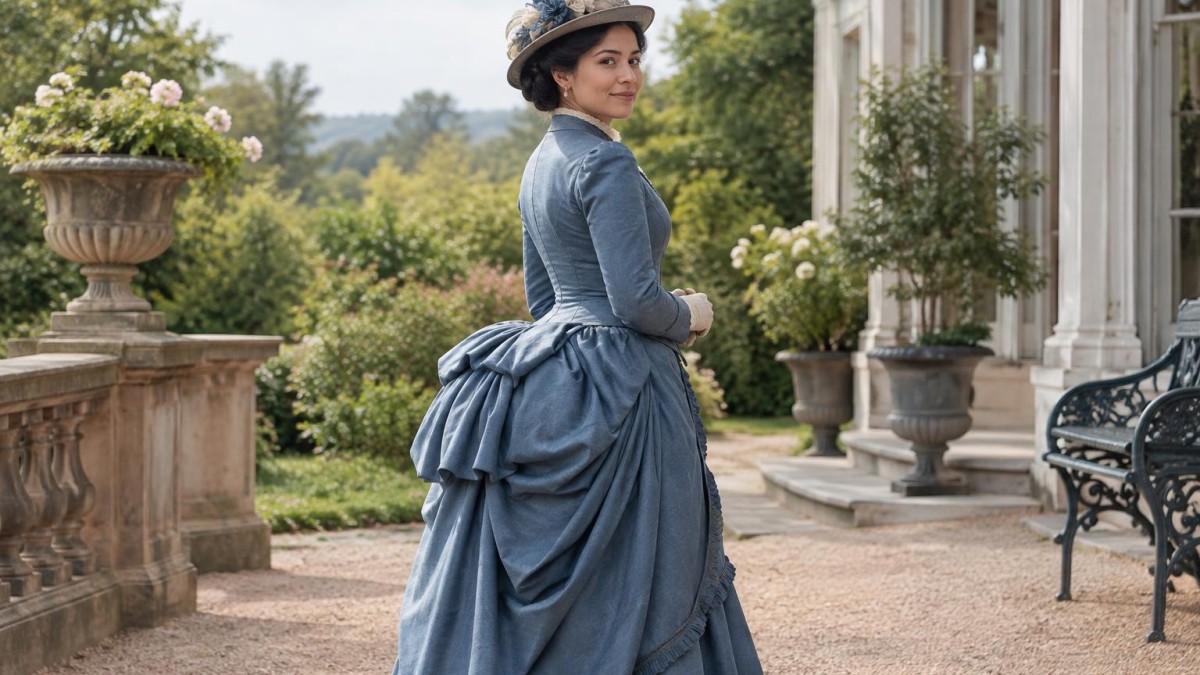
| Period | Late 19th Century (circa 1870–1890) |
|---|---|
| Place | Primarily Western Europe and North America |
| Worn By | Women of varying social classes, especially middle and upper class |
| Typical Occasion | Daywear and formal events |
| Distinctive Details | Structured padded or wired supports creating exaggerated rear silhouettes |
If you look closely at photographs or paintings from the late 19th century, one striking feature often catches the eye: a pronounced fullness at the back of women's skirts. This sculpted shape was made possible by the bustle—a padded understructure worn to enhance the silhouette, creating a rounded, protruding rear that dramatically reshaped women's dresses and the way they moved and stood.
The Bustle’s Role in Fashion and Social Ideals
Far from being just a whimsical fashion accessory, the bustle embodied the era’s ideals of femininity and elegance. It raised and supported the draping of fabric in ways that emphasized a slender waist and a prominent rear, aligning with contemporary beauty standards that prized a graceful, poised posture. The bustle dictated not only how dresses looked but also how women carried themselves, encouraging an upright stance that reflected dignity and refinement.
The designs ranged from modest padding to elaborate constructions featuring wires and springs. Dresses were tailored meticulously to sit atop the bustle’s curves, turning the lower back and hips into a focal point of feminine allure. This emphasis on the rear silhouette was a dramatic shift from earlier, fuller skirts and represented a distinct evolution in women's fashion shape and form.
Everyday and Special Occasion Uses
Bustles were adaptable to different occasions. Lighter, less conspicuous bustles suited daytime wear, allowing women to move with relative ease through social or work settings. Conversely, evening gowns often featured more exaggerated bustles, paired with luxurious fabrics and ornate trimmings to enhance the dramatic effect for formal events. Accessories such as fitted corsets, gloves, and elaborate hairstyles complemented these ensembles, completing a look that was both fashionable and socially significant.
Understanding the bustle helps us see how fashion choices intertwined with cultural values—here, the shaping of silhouette to express femininity, status, and posture in a particular historical moment.
Newsletter Station provides professionally written, ready-to-send newsletters customized for your market and brand.
EXPLORE NEWSLETTER OPTIONS