
| Period | Early 20th Century |
|---|---|
| Place | Latin America (notably Ecuador and Panama) |
| Worn By | Working men, travelers, diplomats, and celebrities |
| Typical Occasion | Everyday wear and formal outings in warm climates |
| Materials | Toquilla straw, finely woven |
| Distinctive Details | Lightweight, breathable, flexible weave with a wide brim |
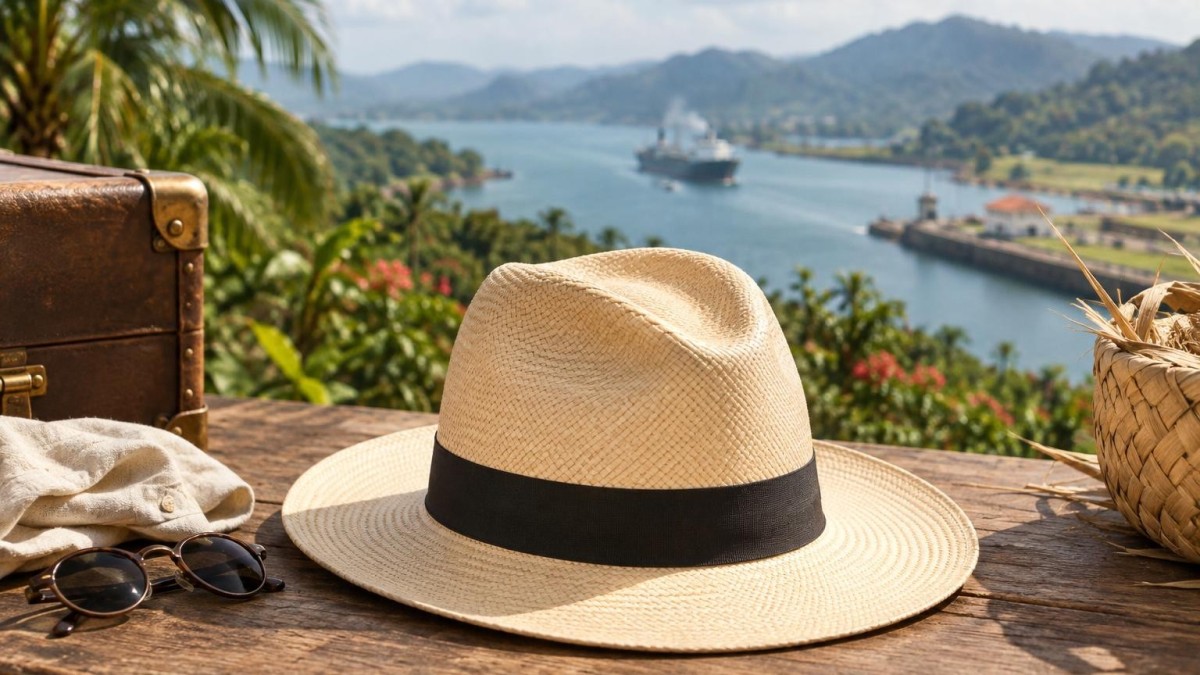
Imagine a finely woven, lightweight straw hat shaped to provide shade and style under the tropical sun. The Panama hat, with its natural beige color and soft, smooth texture, was instantly recognizable. Despite its name, the hat originated in Ecuador, where skilled artisans crafted it from the fibers of the toquilla palm plant. By the early 1900s, this hat had become a symbol of practical elegance across Latin America and beyond.
An Artisan Tradition with Global Appeal
The hat’s fame grew due to the remarkable craftsmanship involved. Weavers patiently plaited the tiny toquilla fibers into delicate ribbons, creating hats that could be rolled, folded, and shaped without losing form. The process often took weeks or months, with the finest hats displaying nearly invisible weaves. This combination of artistry and utility made the hats popular among diverse groups, from local workers shielding themselves from sun and rain to wealthy travelers and politicians seeking stylish comfort.
The name "Panama hat" came about largely because these hats were shipped predominantly through the Isthmus of Panama, the hub of trade routes connecting the Americas and the world. During the construction of the Panama Canal—a massive early 20th-century engineering feat—workers and visitors alike commonly wore these hats to cope with the intense tropical heat.
Cultural Impact and Style
By the early 20th century, this hat had become synonymous with a laid-back yet refined approach to warm-weather dress. It was popular in cities and rural areas across Latin America and found admirers among U.S. presidents, European celebrities, and explorers alike. The flexible brim and breathable weave lent an air of sophistication while offering practical protection from the sun.
Beyond the hat itself, style in this era often included light, loose clothing to manage the tropical climate, with men sporting neat hairstyles and modest grooming. Accessories were minimal except for practical sunglasses or bandanas. The Panama hat complemented these looks as both a fashion statement and a functional item.
Today, the Panama hat remains cherished as a classic accessory, a testament to the enduring skill of Ecuadorian artisans, and a piece of cultural history reflecting the interchange of fashion, geography, and global trade in the early 20th century.
Newsletter Station provides professionally written, ready-to-send newsletters customized for your market and brand.
EXPLORE NEWSLETTER OPTIONS