
| Period | 19th Century |
|---|---|
| Place | Colonial India |
| Worn By | Women across varied regions and social classes |
| Materials | Cotton, silk, indigenous and imported fabrics |
| Distinctive Details | Regional draping styles, fusion with Victorian aesthetics |
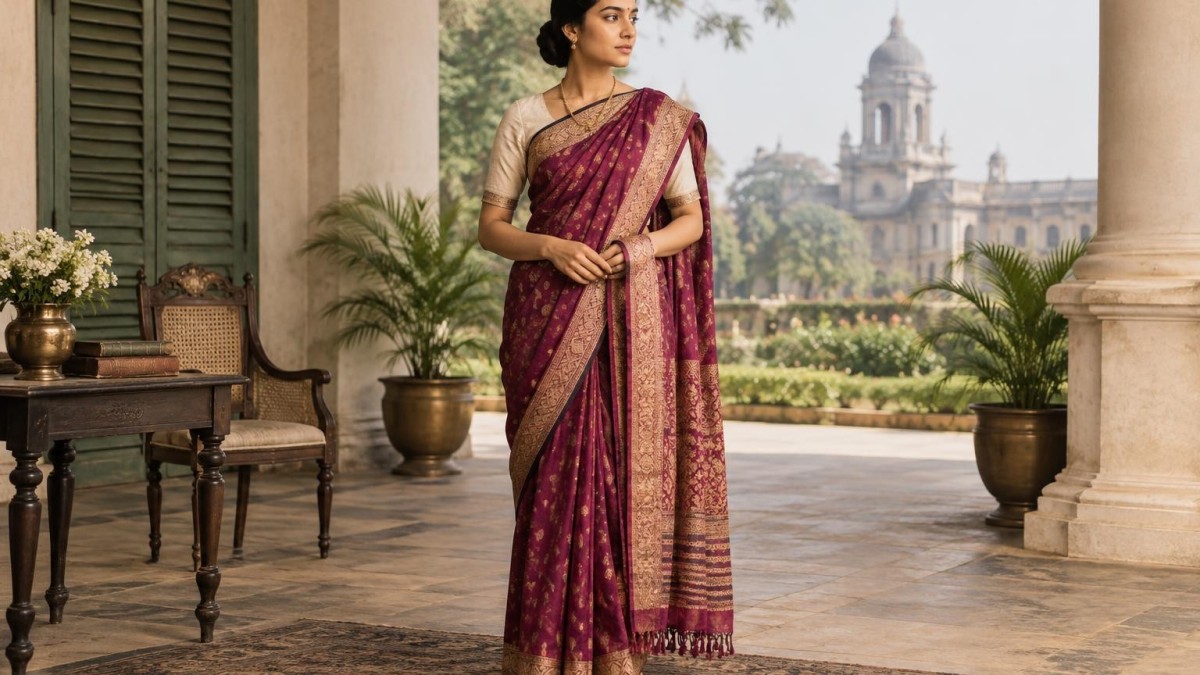
The sari in 19th century colonial India was far more than a piece of cloth; it was a vibrant canvas reflecting social shifts and cultural dialogues. Typically wrapped around a woman’s waist and draped over the shoulder, the sari was both everyday wear and ceremonial attire, adapting its style with influences from across regions and the colonial presence.
Regional Roots Meet Colonial Influence
The sari’s appearance varied considerably across India, with differences in fabric choice, patterns, and draping methods marking distinct regional identities. In Bengal, women favored a distinctive style where the pallu—or loose end of the sari—was draped over the left shoulder and often gathered at the back, creating a graceful yet practical silhouette. In contrast, Maharashtrian women used the nauvari drape, which allowed greater mobility by producing a trouser-like effect. These traditional styles flourished amid a backdrop of colonial rule, which introduced new ideas of modesty and changed the social context of clothing.
The British colonial administration’s emphasis on Western dress codes influenced Indian women’s sartorial choices. Missionary schools and elite social gatherings encouraged the addition of blouses (cholis) and petticoats beneath saris, integrating Victorian sensibilities about modesty and decorum. The adoption of these undergarments became widespread, creating a distinct layered effect that is still seen today.
Fabric and Patterns: A Blend of Tradition and Trade
Fabrics for saris were primarily cotton and silk, locally woven in many Indian regions with rich textures and colors. However, the 19th century also brought burgeoning trade routes that introduced imported textiles, such as European calicos and muslins, into everyday wardrobes. These materials often merged with traditional Indian weaving techniques, resulting in hybrid patterns and blends.
Dyers and weavers experimented with vibrant hues and elaborate motifs inspired by indigenous flora and fauna. At the same time, some elite women incorporated lace trims and embroidery reflecting European tastes. This fusion highlighted the dynamic nature of Indian fashion as it negotiated identity amid colonization.
The sari’s evolution in this era was not just a fashion phenomenon; it was a living story of cultural resilience and adaptation. Through the folds of fabric, women across India expressed subtle negotiations between tradition, modernity, and colonial influence—crafting a look both timeless and responsive to a changing world.
Newsletter Station provides professionally written, ready-to-send newsletters customized for your market and brand.
EXPLORE NEWSLETTER OPTIONS