
| Period | Edo Period (1603–1868) |
|---|---|
| Place | Japan |
| Worn By | Men and women across social classes |
| Typical Occasion | Daily wear, ceremonies, festivals |
| Distinctive Details | Colors, patterns, and obi styles indicated rank and role |
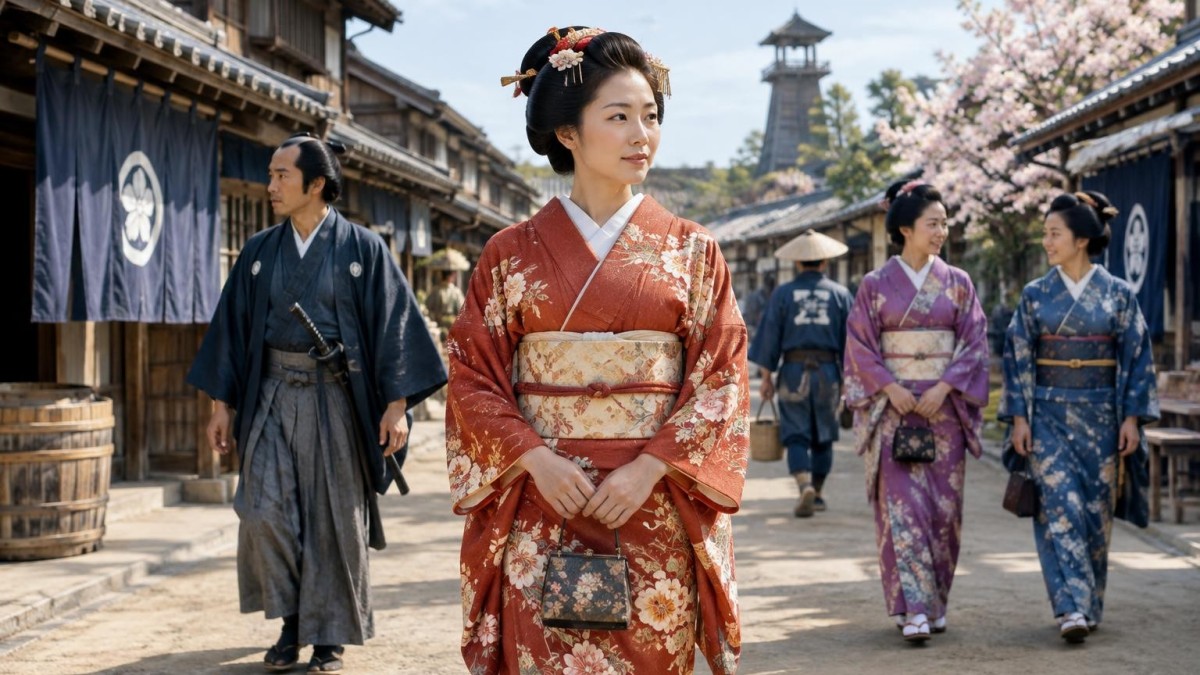
Imagine a bustling street in Edo Japan, the soft rustle of layered silk kimonos blending with the chatter of townsfolk and merchants. The fabric, often patterned meticulously, hugged the wearer with elegant folds and precise lines. Kimono styles during the Edo period were more than just clothing; they were a vibrant language of social cues and cultural identity.
Social Status Woven Into Fabric
The Edo period was marked by strict social hierarchies, and kimonos became a visible reflection of that order. The samurai class, merchants, artisans, and peasants each had distinctive ways their kimonos were made and worn. For samurai, the garments often featured subtle yet rich colors and family crests called "kamon," signaling their noble lineage. Merchants, though economically prosperous, were restricted by sumptuary laws that limited the flamboyance of their attire, leading to simpler colors but sometimes intricate patterns. Peasants and laborers wore practical, often indigo-dyed kimonos made of coarser fabric, suited for everyday work.
Colors and patterns held particular significance. Bright hues like crimson and purple were reserved for higher classes, while subdued tones indicated modest status. Seasonal motifs such as cherry blossoms or autumn leaves adorned kimonos during appropriate festivals or ceremonies, blending societal symbolism with nature’s rhythms.
Dress for the Occasion
Kimonos during the Edo period varied not only by class but also by occasion. Formal events called for more elaborate styles, with layers of silk and dramatic obi sashes tied in complex knots. Women often enhanced their appearance with traditional hairstyles—like the shimada style—which complemented their attire and indicated marital or social status. Men’s kimonos tended to be simpler for everyday wear but featured more ornate designs during ceremonies or theatrical performances such as Kabuki.
Accessories, including lacquered hairpins, fans, and tabi socks, completed the ensemble and offered further social clues. The way an obi was tied or a hat was worn could denote a person’s role, gender, or even their mood.
Through these sartorial details, kimonos did far more than cover—their fabric told stories of hierarchy, tradition, and identity in Edo Japan’s layered society.
Newsletter Station provides professionally written, ready-to-send newsletters customized for your market and brand.
EXPLORE NEWSLETTER OPTIONS