
| Period | 19th Century (1800s) |
|---|---|
| Place | Europe, especially France and England |
| Worn By | Middle and upper-class women |
| Typical Occasion | Everyday wear and formal attire |
| Distinctive Details | Hourglass silhouette accentuated by tightly laced waists |
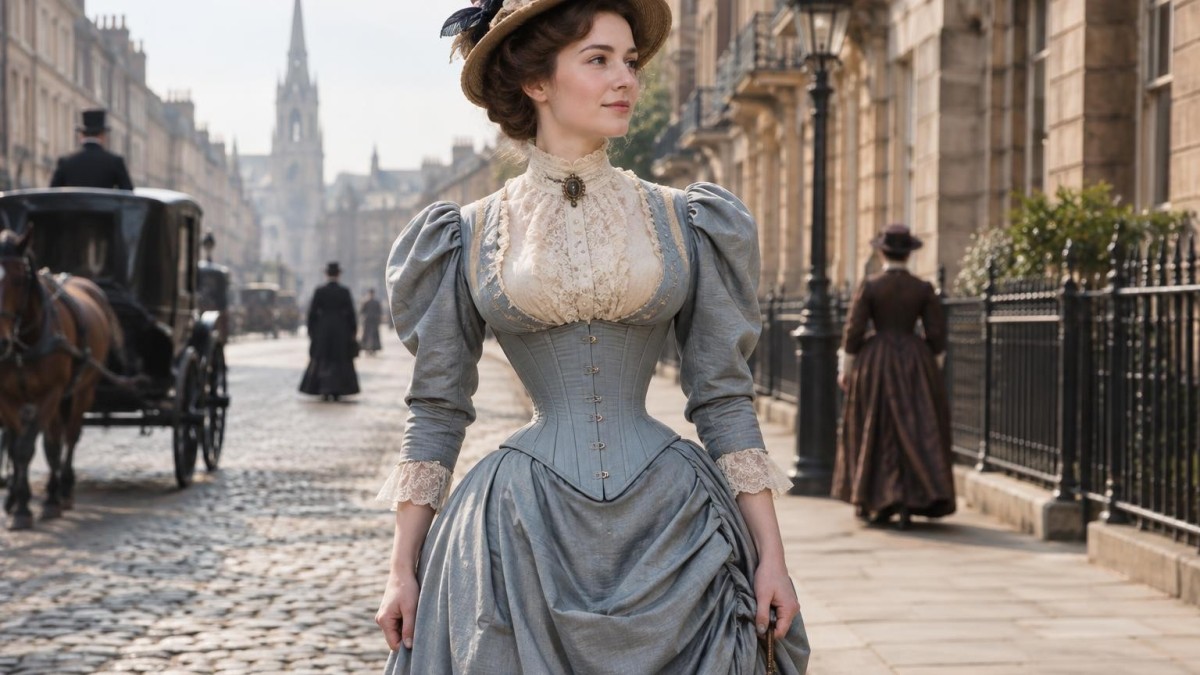
Imagine a woman walking down a cobblestone street in Victorian London, her posture rigid yet graceful, her waist cinched so tightly that it seems almost impossibly narrow beneath her layers of lace and silk. This defining feature of 19th-century women's fashion—the corset—was much more than a garment; it was a symbol of social ideals, status, and femininity deeply ingrained in European culture of the era.
The Shape Behind the Silhouette
The corset’s popularity during the 1800s can largely be attributed to the era's obsession with the hourglass figure. This silhouette, marked by a small waist contrasted with full hips and bust, was seen as the epitome of feminine beauty and elegance. Women across Europe embraced corsetry to achieve this idealized form.
Crafted from materials such as whalebone or steel stays combined with tightly woven fabrics, corsets provided the structural support to mold the body accordingly. They were designed not just to flatten and shape the waist but to accentuate the natural curves, often worn beneath voluminous skirts to emphasize proportion.
Society's Role in Corset Culture
Wearing a corset was a social statement as much as a fashion choice. In many parts of Europe, especially among middle and upper classes, a tightly laced waist was associated with refinement, discipline, and higher social standing. The corset symbolized a woman’s adherence to societal norms, which prized modesty and controlled physical presentation.
Moreover, the rigid posture enforced by the corset aligned with contemporary ideas about grace and decorum. Women’s hairstyles of the time were similarly elaborate, often piled high or adorned with ribbons and pins, complementing the structured silhouette below.
Everyday Wear and Formal Dress
The corset was not reserved for special occasions alone. Many women wore it daily, even under simple dresses, as part of their standard wardrobe. For formal events, corsets were often more rigid and intricately decorated, sometimes fashioned with delicate embroidery or luxurious fabrics.
While some contemporary voices criticized corsets for health reasons, their cultural grip remained strong throughout the century. The garment's dominance speaks to a period when fashion intertwined with social identity and gender expectations, shaping not only how women dressed but how they experienced their bodies in public life.
By understanding the corset’s role in 19th-century Europe, we glimpse a world where clothing was a complex language of status, beauty, and conformity—woven tightly into the fabric of daily life.
Newsletter Station provides professionally written, ready-to-send newsletters customized for your market and brand.
EXPLORE NEWSLETTER OPTIONS