
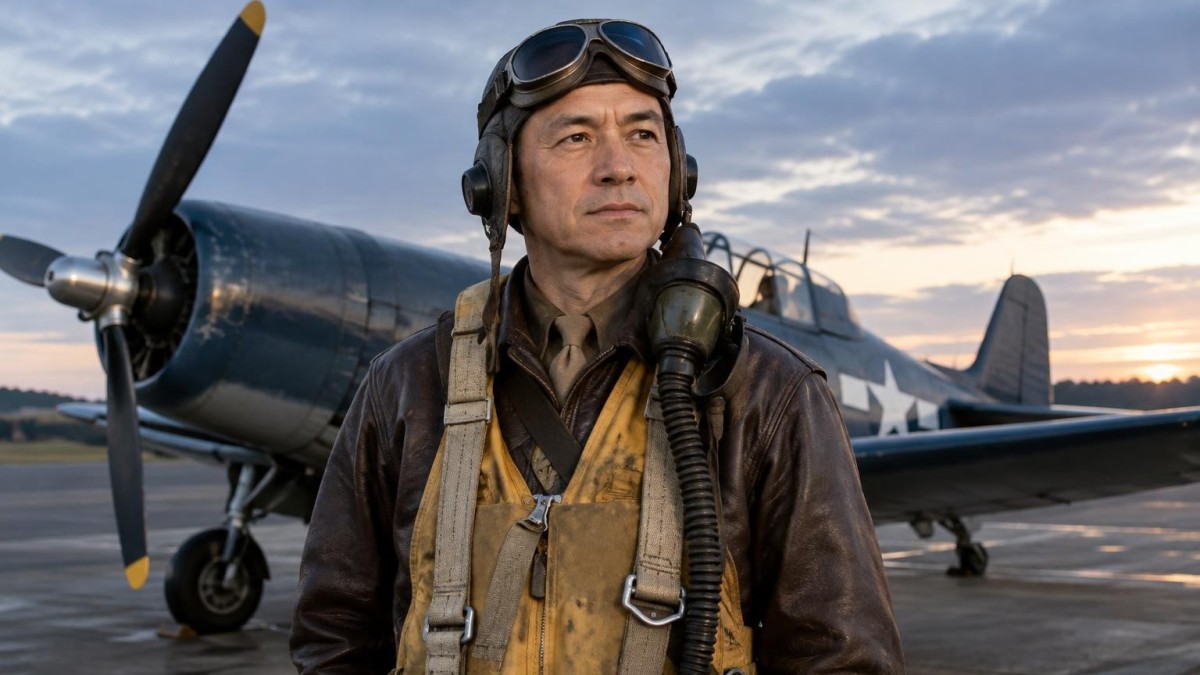
| Service Branch | Army Air Force |
|---|---|
| Rank at the Time | Lieutenant Colonel |
| Role or Unit | Pilot and Night Fighter Squadron Commander |
| Conflict or Era | World War II |
| Notable Recognition | Medal of Honor |
Facing the Night Battle
In the dark of February 20, 1943, Lieutenant Colonel Edward "Butch" O'Hare took to the skies over the Pacific, tasked with the vital mission of protecting the U.S. Navy's aircraft carriers from relentless Japanese air attacks. Flying at night, a perilous and demanding feat during World War II, O'Hare confronted enemy bombers that threatened the safety of the fleet and its crew. His courage under fire was not only a testament to his skill but also a pivotal moment in naval aviation history.
Pioneering Night Fighter Leadership
O'Hare was among the first pilots to participate in night fighting — engaging enemy aircraft in darkness when visibility was limited and the risk was high. Leading his squadron, he employed innovative tactics and relied on newly developed radar technology to detect and intercept enemy planes. His ability to navigate and fight effectively under such challenging conditions showcased exceptional leadership and adaptability, vital in turning the tide in the Pacific theater.
Legacy of Valor and Defense
Edward O'Hare's heroic actions in these night engagements earned him the Medal of Honor, the United States' highest military decoration. His bravery helped secure key victories that protected countless lives and maintained the strength of American naval forces during critical battles. Beyond individual gallantry, O'Hare's pioneering role in night fighting paved the way for advancements in aerial combat tactics. Today, his legacy endures not only in history books but also in the naming of O'Hare International Airport, a lasting tribute to a man who defended his country with unwavering resolve.
Newsletter Station provides professionally written, ready-to-send newsletters customized for your market and brand.
EXPLORE NEWSLETTER OPTIONS