
| Service Branch | U.S. Navy |
|---|---|
| Rank at the Time | Lieutenant Junior Grade |
| Role or Unit | Fighter Pilot, Fighter Squadron 32 |
| Conflict or Era | Korean War |
| Notable Recognition | Medal of Honor |
A Split-Second Decision in Korea
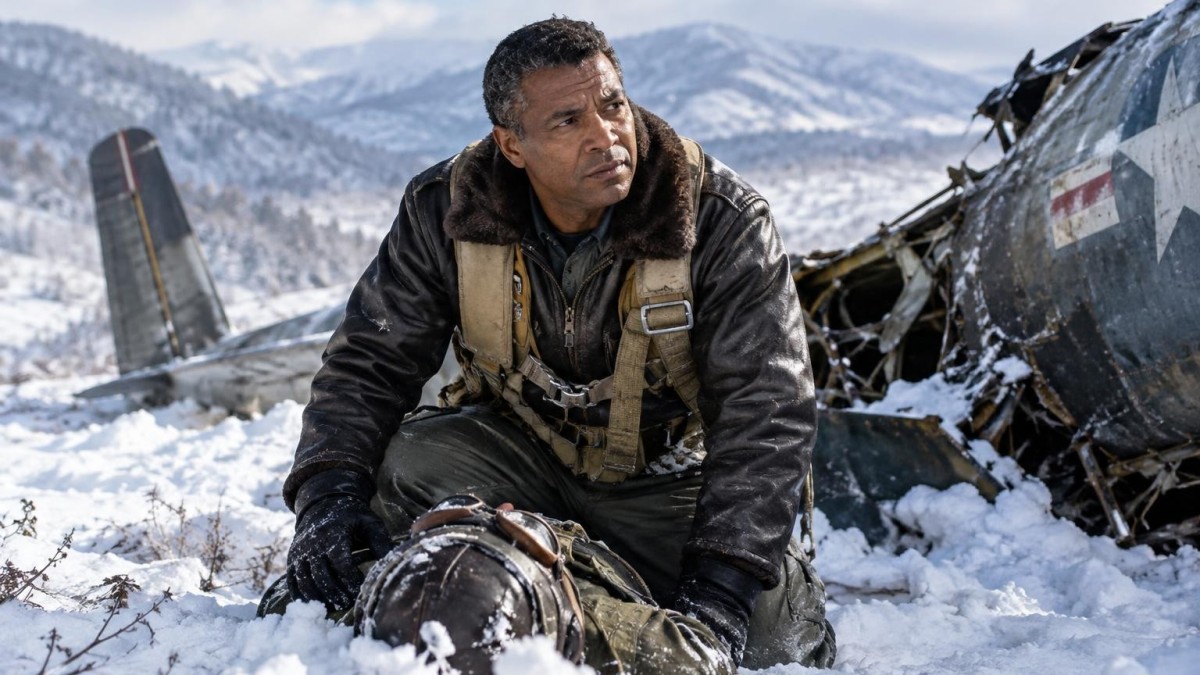
On December 4, 1950, during the Korean War’s harsh winter, Lieutenant Junior Grade Thomas Hudner faced a moment that would define his legacy. His wingman, Ensign Jesse L. Brown, the Navy's first African American aviator, was shot down behind enemy lines in a remote, snow-covered area near the Chosin Reservoir. Without hesitation, Hudner deliberately crash-landed his own aircraft amidst freezing temperatures and treacherous terrain in a desperate attempt to save his comrade.
Role and Choices Under Fire
As a fighter pilot with Fighter Squadron 32, Hudner was accustomed to dangerous missions, but no training could prepare him for this decision. Instead of radioing a rescue or staying airborne to coordinate support, he chose to put himself at extreme personal risk. HUDner hoped to pull Brown from the wreckage before enemy forces could arrive or hypothermia claimed his friend. Despite his efforts, Brown succumbed to his injuries, but Hudner’s willingness to sacrifice his own safety for another’s life exemplified exceptional courage.
Legacy of Valor and Friendship
Hudner’s selfless action earned him the Medal of Honor, the highest U.S. military decoration. Beyond awards, his deed highlighted the deep bonds formed among service members regardless of race during a time of segregation. The incident underscored the human cost of war and the power of loyalty. Hudner’s crash rescue attempt continues to inspire respect and reflection on what it means to serve with honor under extreme circumstances.
Newsletter Station provides professionally written, ready-to-send newsletters customized for your market and brand.
EXPLORE NEWSLETTER OPTIONS