
| Service Branch | U.S. Army |
|---|---|
| Rank at the Time | Corporal |
| Role or Unit | Combat Medic, 307th Infantry, 77th Infantry Division |
| Conflict or Era | World War II, Battle of Okinawa |
| Notable Recognition | Medal of Honor |
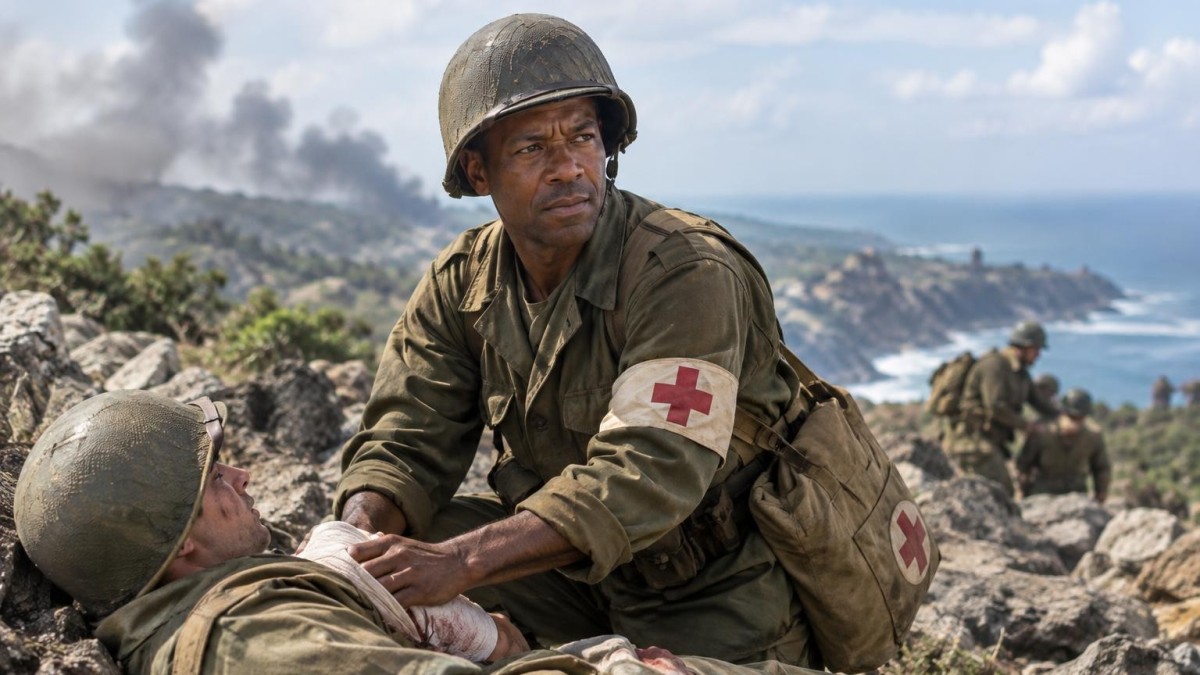
The humid Okinawan air was thick with the sounds of war—explosions, gunfire, and cries of the wounded. Among the chaos, Corporal Desmond Doss, a U.S. Army combat medic, faced a harrowing choice: carry a weapon for his protection or adhere to his deep religious convictions and go unarmed. Doss chose the latter, determined to save lives without taking any. His courage under relentless enemy fire would soon become legendary.
A Medic’s Conviction on the Battlefield
Desmond Doss entered the Army in 1942 with a steadfast pledge from his Seventh-day Adventist faith: he would serve his country but refuse to carry or use a weapon. This principled stance was met with suspicion and ridicule from fellow soldiers and commanders who doubted his ability to contribute in combat. Nevertheless, Doss’s commitment was clear—his role was to save lives, not take them.
During the fierce Battle of Okinawa in 1945, Doss’s unit faced brutal conditions and intense enemy resistance. Over the course of several days on the Maeda Escarpment, Doss repeatedly ventured into fields of hostile fire to tend to and evacuate the wounded. Despite grenades exploding nearby and bullets tearing through the air, his focus never wavered. He carried injured soldiers down sheer cliffs and dragged them to safety, often making multiple trips back to the front lines alone.
Extraordinary Bravery Without a Weapon
One particularly daring moment came when Doss spent an entire night single-handedly watching over and treating approximately 75 critically injured men, refusing to leave their side despite the danger. His fearless presence saved countless lives and lifted the spirits of those around him. Despite being wounded himself by shrapnel and gunfire, Doss remained in action until the mission was completed.
For his selfless valor at Okinawa and other battles, Desmond Doss was awarded the Medal of Honor in 1945, becoming the first conscientious objector to receive the United States’ highest military decoration. His story exemplifies how faith, courage, and determination can inspire heroic deeds in the most trying circumstances.
The legacy of Corporal Desmond Doss endures as a powerful reminder that bravery can take many forms—sometimes, the greatest weapon is the unwavering commitment to save lives and uphold one’s principles.
Newsletter Station provides professionally written, ready-to-send newsletters customized for your market and brand.
EXPLORE NEWSLETTER OPTIONS