
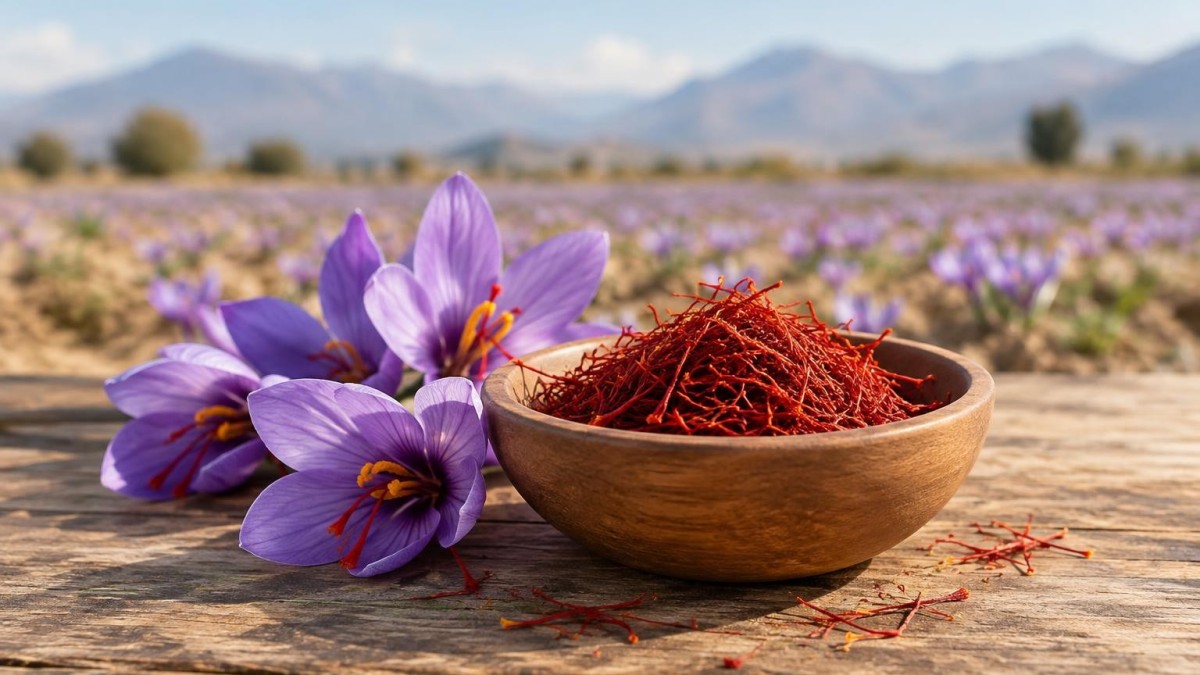
| Origin | Ancient Persia (modern-day Iran) |
|---|---|
| Where It’s Grown | Iran, Spain, India, Greece, Morocco |
| Notable Varieties | Persian Saffron, Spanish Mancha, Kashmiri Saffron |
| Flavor and Texture | Delicate floral aroma with earthy, honey notes; thread-like stigmas |
| Common Uses | Flavoring and coloring rice dishes, baked goods, teas, and perfumes |
The Ancient Roots of a Precious Spice
Saffron, known as the "red gold" of spices, traces its origins to ancient Persia, where it was prized not just for its unique flavor and color but also for its cultural significance. The vibrant red stigmas of the Crocus sativus flower have been harvested by hand for thousands of years, their labor-intensive collection contributing to saffron's reputation as the world’s most expensive spice by weight.
From Field to Kitchen: The Labor Behind Saffron
Each saffron crocus plant produces only three delicate stigmas, which must be carefully plucked by hand during the brief autumn bloom. This meticulous process requires thousands of flowers to gather just an ounce of saffron threads. Today, Iran remains the largest producer, accounting for over 90% of global supply. However, Spain, India’s Kashmir region, Greece, and Morocco also cultivate saffron, each offering unique flavor profiles that reflect their distinct climates and soil.
The hand-harvesting tradition endures because mechanization risks damaging the fragile threads, diminishing quality and value. Post-harvest, the stigmas are dried with great care to preserve their aroma and color, which are key markers of premium saffron.
Distinctive Varieties and Culinary Uses
While Persian saffron is renowned for its intense aroma and vibrant coloring, Spanish Mancha saffron often features a more subtle flavor, prized in Mediterranean cuisine. Kashmiri saffron stands out for its deep red threads and slightly sweeter notes. This variation enriches diverse dishes, from Spain’s paella to Persian rice pilafs and Indian biryanis.
The golden hue saffron infuses into dishes symbolizes more than flavor; it brings cultural heritage and a touch of luxury to everyday cooking. Beyond food, saffron is also used in teas and traditional remedies, reflecting its wide cultural impact over millennia.
Understanding saffron’s cultivation story deepens appreciation for the spice’s extraordinary journey—from its ancient Persian origins to modern kitchens worldwide, where a pinch continues to transform simple ingredients into memorable meals.
Newsletter Station provides professionally written, ready-to-send newsletters customized for your market and brand.
EXPLORE NEWSLETTER OPTIONS