
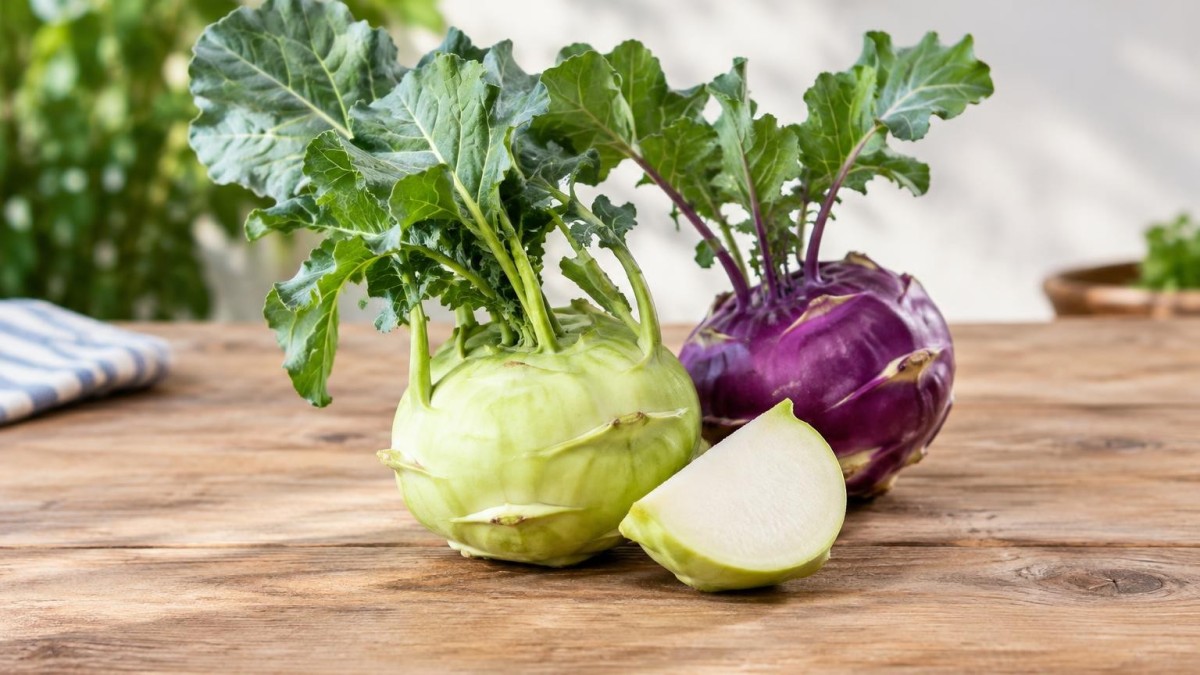
| Origin | Central Europe, likely Germany |
|---|---|
| Where It’s Grown | Europe, United States, Asia |
| Notable Varieties | Green and Purple Kohlrabi |
| Flavor and Texture | Mildly sweet, crisp, juicy texture |
| Common Uses | Raw in salads, roasted, steamed, or mashed |
A Unique Member of the Cabbage Family
Often overshadowed by its leafy cousins, kohlrabi is a vegetable with a fascinating history rooted in the German-speaking regions of Europe. Its name, derived from the German words "kohl" (cabbage) and "rübe" (turnip), hints at this heritage, while its distinctive bulbous stem sets it apart both visually and texturally. Unlike the leafy greens most associate with cabbages, kohlrabi offers a crunchy and juicy experience, making it a delightful addition to many dishes.
From Central Europe to the World
Kohlrabi’s cultivation began centuries ago in Central Europe, where farmers prized it as a hardy crop that could thrive in cooler climates. Traditionally grown across Germany and surrounding areas, it has gradually found its way into markets worldwide, including North America and parts of Asia. Green kohlrabi is the most common variety, though purple types add a splash of color to gardens and markets alike.
What distinguishes kohlrabi’s growing practices is the focus on developing the swollen stem above ground, which forms the edible bulb. The bulbs are typically harvested while still tender and firm, as letting them grow too large can result in a woody texture. This balance ensures that the vegetable maintains its appealing mild sweetness and crispness.
Delicious Versatility in the Kitchen
Kohlrabi’s crisp texture and subtle sweetness make it versatile in the kitchen. It’s often enjoyed raw, thinly sliced or shredded into salads and slaws, lending a refreshing bite that complements other fresh vegetables. Cooking methods like roasting or steaming mellow its flavor and soften the texture, making it suitable for mashing or incorporating into soups and stews.
Its mild flavor means it pairs well with a variety of seasonings and ingredients, from tangy vinaigrettes and creamy dressings to rich cheeses and smoky spices. As more chefs and home cooks discover this vegetable, kohlrabi is experiencing a quiet revival, growing beyond its traditional roots and finding a fresh place on plates across Europe and America.
Newsletter Station provides professionally written, ready-to-send newsletters customized for your market and brand.
EXPLORE NEWSLETTER OPTIONS