
| Origin | Mexico and Central America |
|---|---|
| Where It’s Grown | Mexico, United States (Southwest), parts of Central America |
| Notable Varieties | Purple, green, and yellow tomatillos |
| Flavor and Texture | Tart, slightly citrusy flavor with a firm, crisp texture |
| Common Uses | Salsas, sauces, stews, and salads |
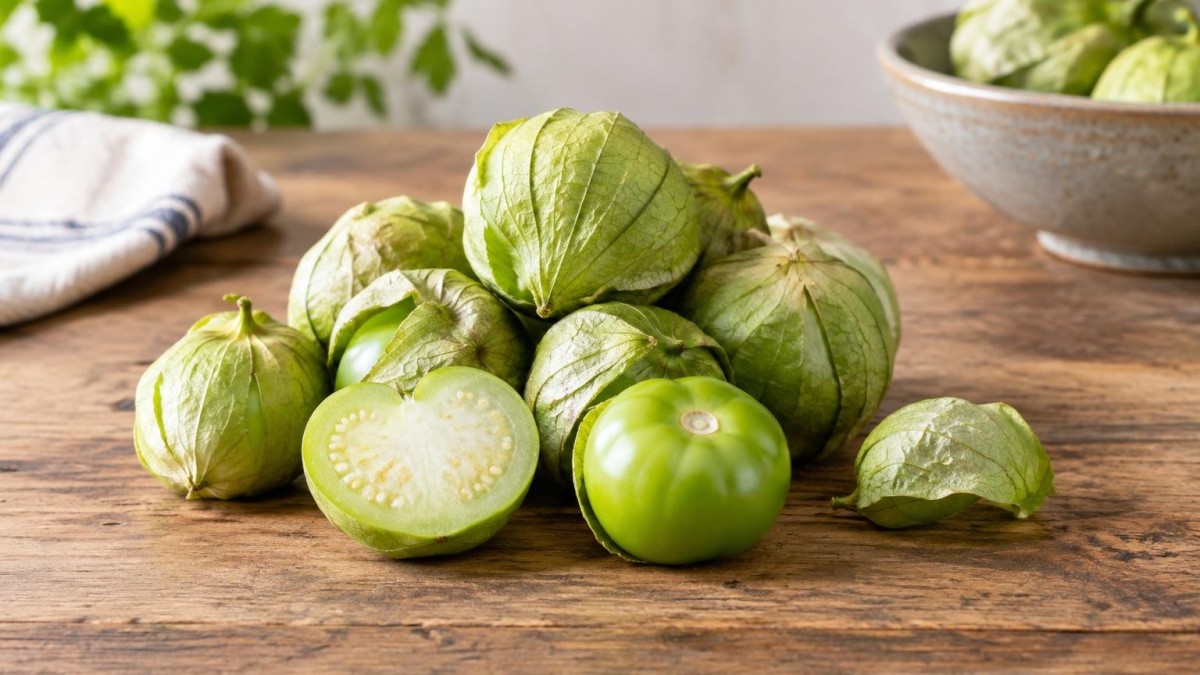
The tomatillo, often mistaken for its round red cousin the tomato, actually boasts a rich history that stretches back thousands of years. This small, vibrant green fruit wrapped in a papery husk was a staple ingredient for the Aztecs in Mexico long before European contact. Its unique tartness and texture have since earned it a prominent place in both traditional and contemporary Mexican cooking.
From Ancient Crop to Culinary Icon
Native to Mexico and parts of Central America, the tomatillo (Physalis philadelphica) was cultivated by indigenous peoples well before the rise of the Aztec civilization. Archaeological evidence shows its use around 500 BCE, where it featured prominently in local diets. Its name, meaning "little tomato" in Spanish, hints at its close botanical relationship to the tomato, though its flavor is distinctly more tangy and bright.
Today, tomatillos are grown primarily in Mexico and the southwestern United States, thriving in warm, sunny climates. Farmers cultivate several varieties, including purple, green, and yellow tomatillos, each bringing subtle flavor differences and color variations to the table. While the green variety is the most common, some chefs prize the purple tomatillo for its sweeter notes and vibrant color.
Salsas and More: Versatility in the Kitchen
Tomatillos owe much of their popularity to their role in classic Mexican dishes, especially green salsa (salsa verde). When roasted or boiled, their natural tartness mellows, providing a bright base for sauces that complement meats, tacos, and enchiladas. Beyond salsa, tomatillos add a refreshing lift to stews, soups, and even salads, and are increasingly used by chefs to bring an unexpected zing to a variety of culinary creations.
With their firm and crisp texture when raw, tomatillos also hold up well in cooking, maintaining structure and adding a lively pop of flavor. Their nutrient content, including vitamin C and fiber, adds a healthful bonus to their culinary appeal.
From its humble origins as a staple crop for the Aztecs to its current status as a salsa superstar, the tomatillo's journey reflects the rich tapestry of culinary tradition and innovation in Mexican cuisine. Whether you're mixing up a fresh batch of salsa verde or experimenting with new recipes, this lively fruit brings a distinctive taste of history to your table.
Newsletter Station provides professionally written, ready-to-send newsletters customized for your market and brand.
EXPLORE NEWSLETTER OPTIONS