
| Origin | Coastal regions of Europe and North America |
|---|---|
| Where It’s Grown | Salt marshes, beaches, and tidal zones worldwide |
| Notable Varieties | Samphire (Marsh samphire), Sea asparagus, Glasswort |
| Flavor and Texture | Crisp, slightly salty, with a fresh, vegetal taste |
| Common Uses | Salads, seafood dishes, pickled condiments |
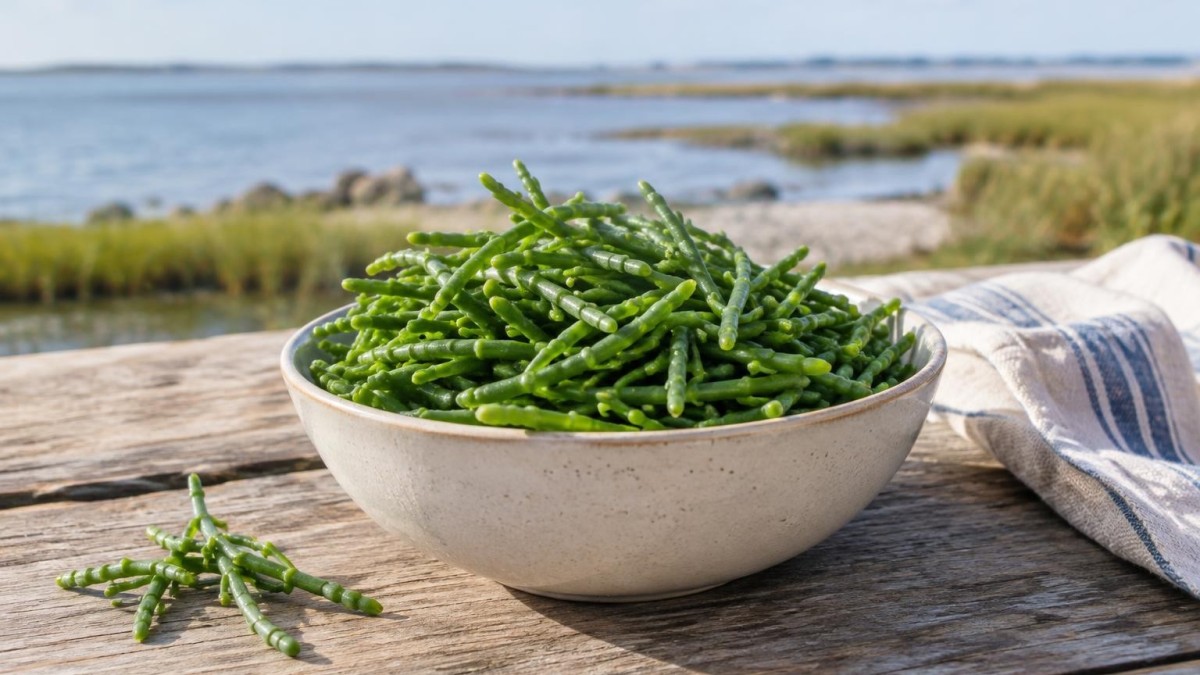
Sea beans, sometimes called samphire or sea asparagus, are a unique category of coastal vegetables that thrive where few others can — in salty, wet environments where the land meets the sea. These striking plants have adapted to survive salty conditions that would wither most garden vegetables, bringing an intriguing crispness and a natural oceanic saltiness to dishes around the world.
Salt Tolerance and Growth
Sea beans grow in salt marshes and tidal areas, environments characterized by fluctuating salt levels and frequent water submersion. Their remarkable salt tolerance results from specialized cells and salt glands that manage excess salt, allowing them to flourish where other plants cannot. This adaptation also helps retain moisture and regulate the plant’s internal balance — a survival strategy in salty and often dry or sun-exposed habitats.
In addition to salt management, sea beans have succulent stems that store water, giving them a juicy crunch. Their robust nature means they can be harvested sustainably from wild coastal areas or cultivated in saline-friendly farms, making them an eco-conscious choice for adventurous eaters.
Culinary Appeal and Uses
Sea beans bring a bright, salty bite and a crisp texture to salads and seafood dishes, enhancing flavors without overpowering them. Their natural saltiness means they often need no added salt, making them a great option for seasoning-conscious consumers. Chefs also use sea beans as vibrant garnishes or pickle them for longer shelf life and intensified flavor.
Because of their coastal origins, sea beans pair naturally with fresh fish, shellfish, and citrus notes, but their versatility allows incorporation into grain bowls, sandwiches, and even stir-fries. Their fresh vegetal taste and crisp snap offer a welcome contrast to softer or richer ingredients, bringing balance and complexity to many recipes.
Exploring sea beans introduces a fascinating glimpse into how plants adapt to challenging environments and how these natural traits translate into unique culinary experiences. Whether foraged or farmed, they offer a salty, crunchy treasure from the sea’s edge that brightens salads and adds coastal character to plates year-round.
Newsletter Station provides professionally written, ready-to-send newsletters customized for your market and brand.
EXPLORE NEWSLETTER OPTIONS