
| Origin | Andean valleys of South America |
|---|---|
| Where It’s Grown | South America, Mediterranean, California |
| Notable Varieties | Fino de Jete, White, African Pride |
| Flavor and Texture | Sweet, creamy, custard-like flesh with tropical hints |
| Common Uses | Fresh eating, smoothies, desserts |
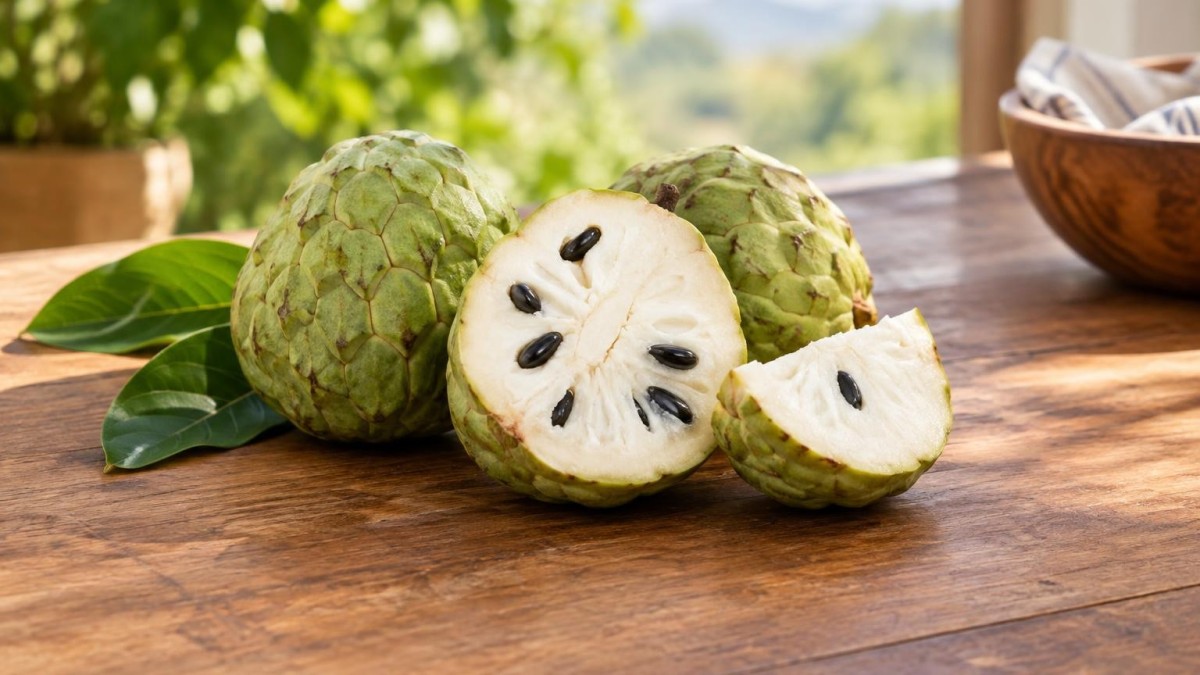
Cherimoya, often hailed as the “most delicious fruit known to men” by Mark Twain, boasts a rich history rooted in the high mountain valleys of the Andes. This exotic fruit captures the imagination with its unique heart-shaped exterior, soft custardy pulp, and a flavor intriguingly reminiscent of banana, pineapple, and papaya all at once.
Andean Origins and Cultivation
The cherimoya tree is native to the temperate Andean region—stretching through countries like Peru, Ecuador, and Colombia. Thriving at elevations between 1,500 and 2,400 meters, it prefers mild climates with cool nights and moderate daytime temperatures. Unlike many tropical fruits, cherimoya's tree demands attention to subtle climatic conditions, making its cultivation somewhat of an art. In these regions, the tree sometimes grows wild, but local farmers have nurtured it for centuries, passing down traditional care methods.
Beyond South America, cherimoya has found success in Mediterranean climates such as in Spain’s coastal areas and California, where growers appreciate its delicate balance of flavor and texture. Varieties like Fino de Jete, prized in Spain, emphasize sweetness and creamy texture, while others like African Pride are favored for resilience and size.
Distinctive Flavor and Culinary Uses
Its flesh is pure white, creamy, and dotted with black seeds that are inedible. The fruit’s aroma and taste combine lively tropical sweetness with a smooth custard sensation that’s hard to match. For food lovers, cherimoya is a natural treat enjoyed fresh with a spoon or blended into refreshing smoothies. In South America, it also appears in desserts and beverages, celebrated as a toast to the rich biodiversity of the Andes.
While cherimoya’s exotic appeal lies partly in its mysterious appearance and flavor, its cultural significance in Andean countries runs deeper. It symbolizes a connection to nature’s abundance and traditional agriculture, inspiring pride among local communities. Sampling cherimoya offers more than a culinary experience; it offers a taste of South America’s vibrant heritage.
Newsletter Station provides professionally written, ready-to-send newsletters customized for your market and brand.
EXPLORE NEWSLETTER OPTIONS