
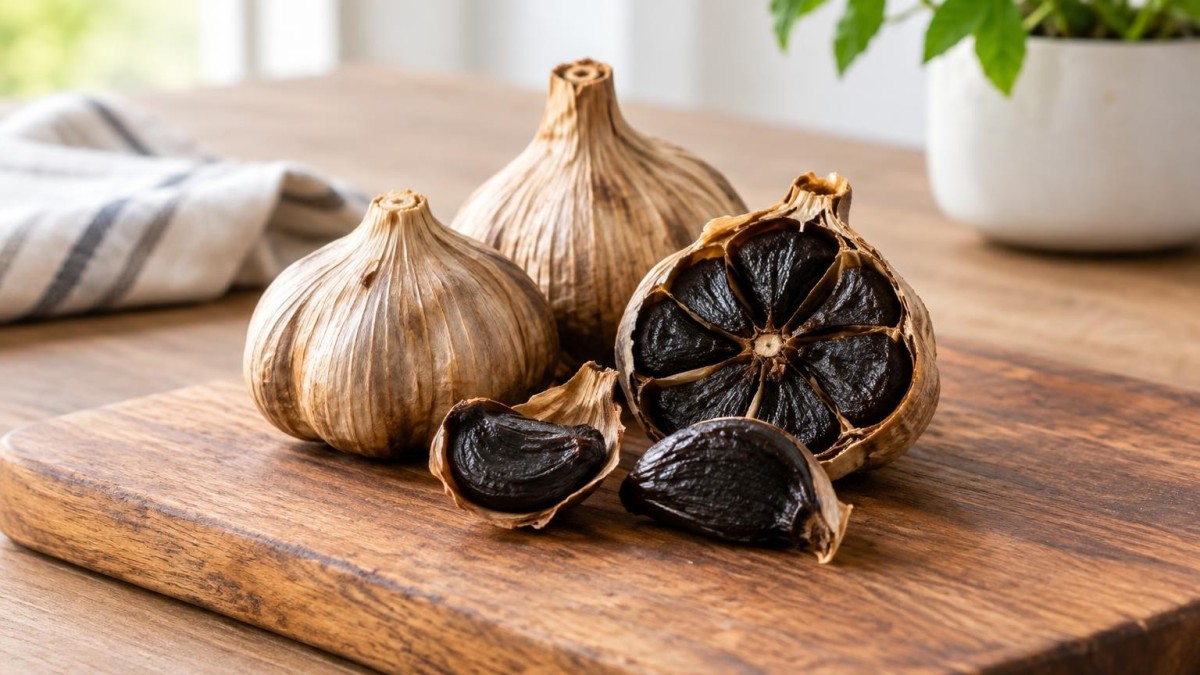
| Origin | East Asia, particularly Korea |
|---|---|
| Where It’s Grown | Globally, with commercial production in Korea, Japan, Spain, and the U.S. |
| Notable Varieties | Standard garlic bulbs (Allium sativum) aged to black garlic |
| Flavor and Texture | Sweet, tangy, and umami-rich with a soft, sticky texture |
| Common Uses | Gourmet cooking, sauces, spreads, and marinades |
Black garlic often surprises first-timers with its deep sweetness and umami punch, a far cry from the pungent bite of raw garlic. This intriguing ingredient doesn’t grow on vines or trees but comes from aging regular garlic bulbs under carefully controlled heat and humidity. The process transforms the familiar white bulb into glossy black cloves with an entirely new flavor profile and texture.
Origins and Growing Popularity
While garlic itself traces its roots back thousands of years to Central Asia, black garlic's cultivation began relatively recently in East Asia, especially Korea. Traditionally consumed in small amounts for its believed health benefits, it has since moved into the spotlight in Korean culinary traditions. Chefs and home cooks alike appreciate how the fermentation process tames garlic’s sharpness, making it accessible and versatile.
Commercial black garlic production today spans the world, with significant growth in Japan, Spain, and the United States. This expansion reflects both a growing interest in fermented foods and a fascination with unique, complex flavors that black garlic offers.
A Flavor Journey Through Fermentation
The making of black garlic involves placing whole garlic bulbs in a humidity-controlled environment at temperatures around 130°F (55°C) for several weeks, usually three to four. During this time, natural enzymatic and Maillard reactions take place, resulting in the bulb’s distinctive dark color and soft texture.
The taste is often described as a blend of balsamic vinegar, tamarind, molasses, and subtle savory notes. This sweet-savory balance makes black garlic a favorite for enhancing sauces, dressings, and marinades without the overpowering pungency typical of fresh garlic. Its sticky texture also lends itself well to spreads and as an accent in both traditional and modern dishes.
Whether you’re looking to add a depth of flavor to a pasta sauce, elevate a roasted vegetable dish, or experiment with new gourmet trends, black garlic offers an intriguing twist on a familiar kitchen staple. Its unique cultivation showcases how a simple aging process can transform ingredients into culinary treasures enjoyed worldwide.
Newsletter Station provides professionally written, ready-to-send newsletters customized for your market and brand.
EXPLORE NEWSLETTER OPTIONS