
| Origin | Central America, mainly Mexico |
|---|---|
| Where It’s Grown | Mexico, Southwestern U.S., Mediterranean regions |
| Notable Varieties | Spineless nopal, prickly pear nopal |
| Flavor and Texture | Tart and slightly grassy flavor; crisp yet tender texture when cooked |
| Common Uses | Salads, stews, tacos, juices, and as a cooked vegetable |
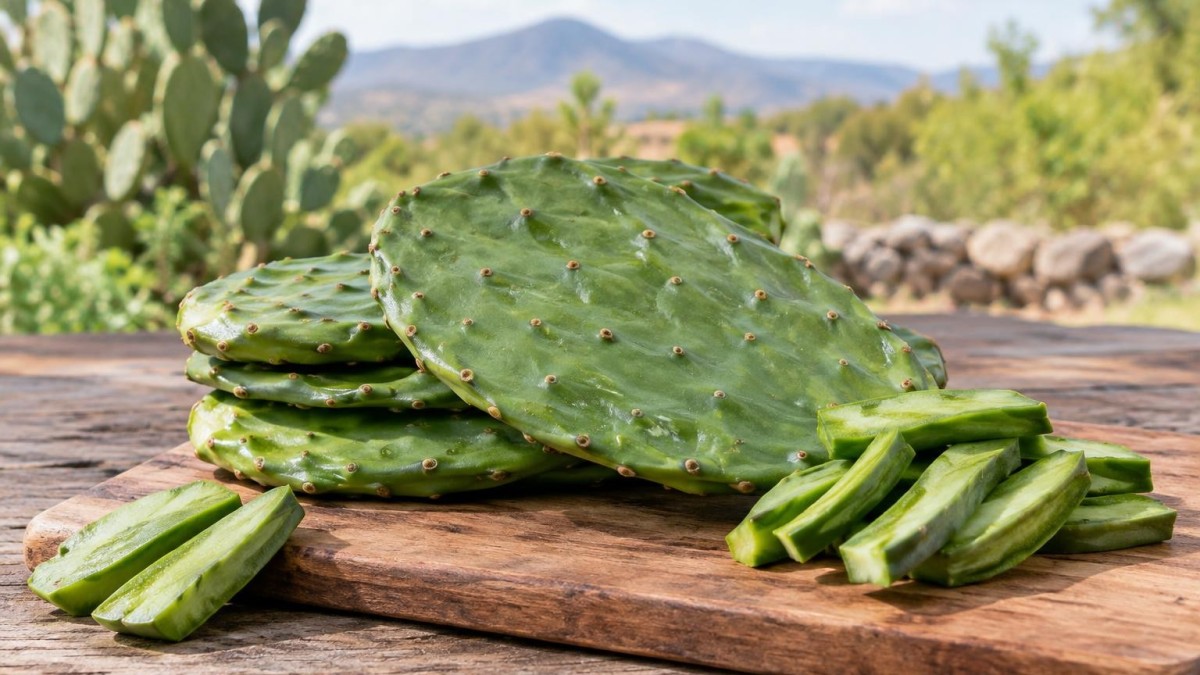
Native to the arid landscapes of Central America, especially Mexico, the nopal cactus has been a vital food source for centuries and remains a beloved ingredient in traditional and modern cuisine. Its thick, flat pads—known as nopales—are both nutritious and environmentally sustainable, making them a versatile favorite that’s crossed regional borders to find a place on tables worldwide.
A Rich Heritage and Growing Regions
Historical records and indigenous cultures point to the nopal cactus as a staple food long before European contact. The Aztecs revered the plant not only for its practical use but also its symbolic significance. Today, Mexico produces the majority of nopales consumed globally, but their cultivation has expanded to the southwestern United States and Mediterranean climates where the plant thrives with minimal water.
Different varieties have emerged, with the spineless nopal being particularly popular for its ease of preparation, as it reduces the need to carefully remove sharp spines before cooking. Prickly pear nopales include edible fruit as well as pads, both used in a variety of culinary applications.
Distinctive Flavor and Culinary Flexibility
When cooked, nopal pads develop a slightly tangy, grassy flavor and a texture that is crisp but tender, somewhat comparable to green beans or asparagus. Preparing nopales usually involves rinsing, slicing, and boiling or grilling, which reduces their natural mucilaginous (slimy) quality that some find challenging.
In Mexican kitchens, nopales are a common ingredient in salads mixed with tomatoes, onions, and fresh herbs. They also star in tacos, stews, and egg dishes. Beyond solid dishes, nopal juice or smoothies have gained popularity for their refreshing qualities and a hint of tartness.
Nutrition and Environmental Benefits
Nopales are low in calories but rich in fiber, antioxidants, vitamins C and A, and minerals like magnesium and calcium. Their high fiber content supports digestion, while antioxidants contribute to overall nutritional value. Moreover, the cactus’s ability to thrive in dry conditions with little water makes it an eco-friendly crop. This efficiency lends itself well to sustainable farming practices, especially in water-scarce regions.
From ancient Aztec tables to contemporary menus, the nopal cactus continues to offer flavor, nutrition, and a touch of history. Whether you try it in a traditional Mexican recipe or a new culinary creation, exploring nopales connects you to a resilient plant with a story as rich as its taste.
Newsletter Station provides professionally written, ready-to-send newsletters customized for your market and brand.
EXPLORE NEWSLETTER OPTIONS