
| Origin | Italy, likely the Rome area |
|---|---|
| Where It’s Grown | Throughout Europe and North America |
| Notable Varieties | Romanesco Green, sometimes called Romanesco Broccoli |
| Flavor and Texture | Mild, slightly nutty and earthy; crisp yet tender |
| Common Uses | Steaming, roasting, raw in salads, and as a visually striking garnish |
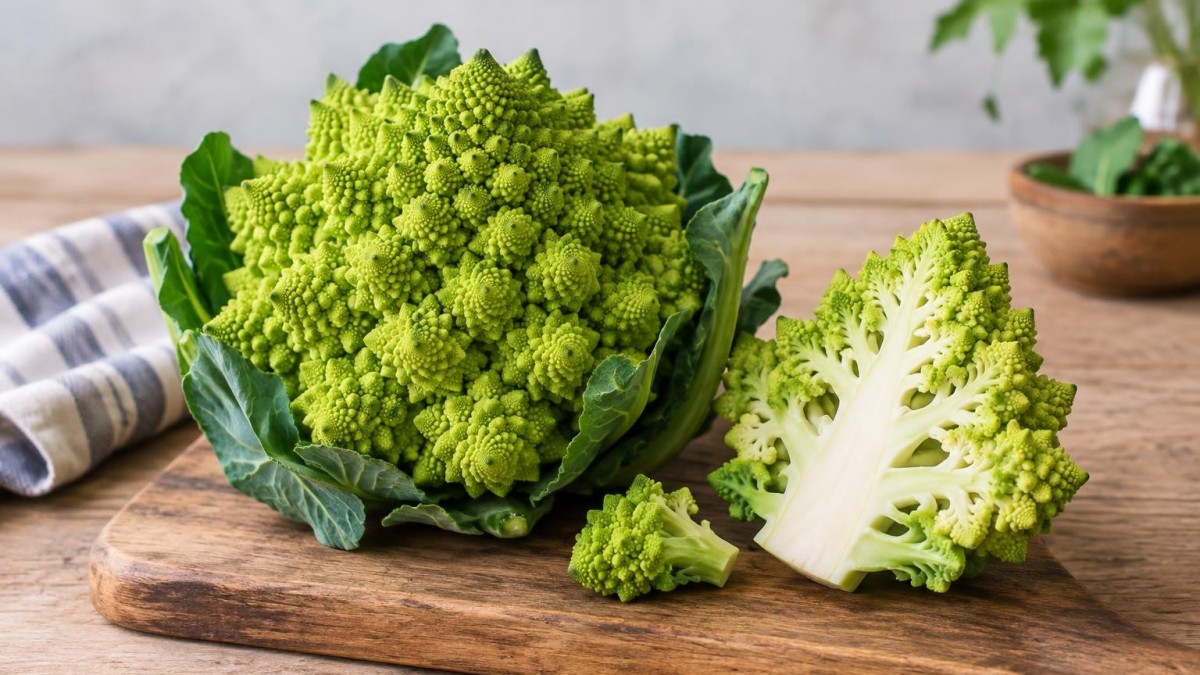
The distinctively spiraled and almost alien geometry of Romanesco makes it as much a conversation piece as a vegetable. This striking green brassica’s unique form reflects an intriguing fractal pattern, capturing the essence of nature’s mathematical elegance. With roots that trace back to Renaissance Italy, this vegetable carries a fascinating blend of history, horticulture, and culinary charm.
From Italian Roots to Global Gardens
Romanesco first appeared in Italy, particularly in the Rome region, during the 16th century. It is believed to be a natural mutation or hybrid between cauliflower and broccoli, producing its vivid color and intricate structure. Over the centuries, Romanesco spread across Europe and eventually to North America, where it has taken its place alongside other familiar cruciferous vegetables.
Farmers favor Romanesco not only for its eye-catching appearance but also for its resilience. It thrives in cooler growing seasons, much like cauliflower, and can tolerate a variety of soil types. Gardeners appreciate that it matures reliably without the heads becoming too tightly packed, which helps maintain its jewel-like form.
Distinct Flavor and Versatile Culinary Appeal
Romanesco’s flavor is often described as a mild blend of broccoli and cauliflower with a hint of nuttiness and earthiness. Its texture provides a pleasant crunch when raw and softens nicely when cooked without becoming mushy. These qualities make it a versatile ingredient in both raw and cooked preparations.
Common cooking methods include steaming and roasting, which bring out its sweetness and maintain its striking color. Romanesco can also be eaten raw, adding a crisp texture and visual interest to salads or vegetable platters. Chefs and home cooks alike use it as a garnish or centerpiece because of its dramatic form.
A Vegetable with Lasting Appeal
Romanesco stands out not just for its beauty but for its enduring place in traditional and modern European cuisine. Its adaptation over hundreds of years highlights the vegetable’s resilience and the timeless appeal of its unusual shape. Whether you’re looking to impress guests or simply enjoy a flavorful, nutritious side, Romanesco offers something a little different with a rich cultural heritage.
Newsletter Station provides professionally written, ready-to-send newsletters customized for your market and brand.
EXPLORE NEWSLETTER OPTIONS