
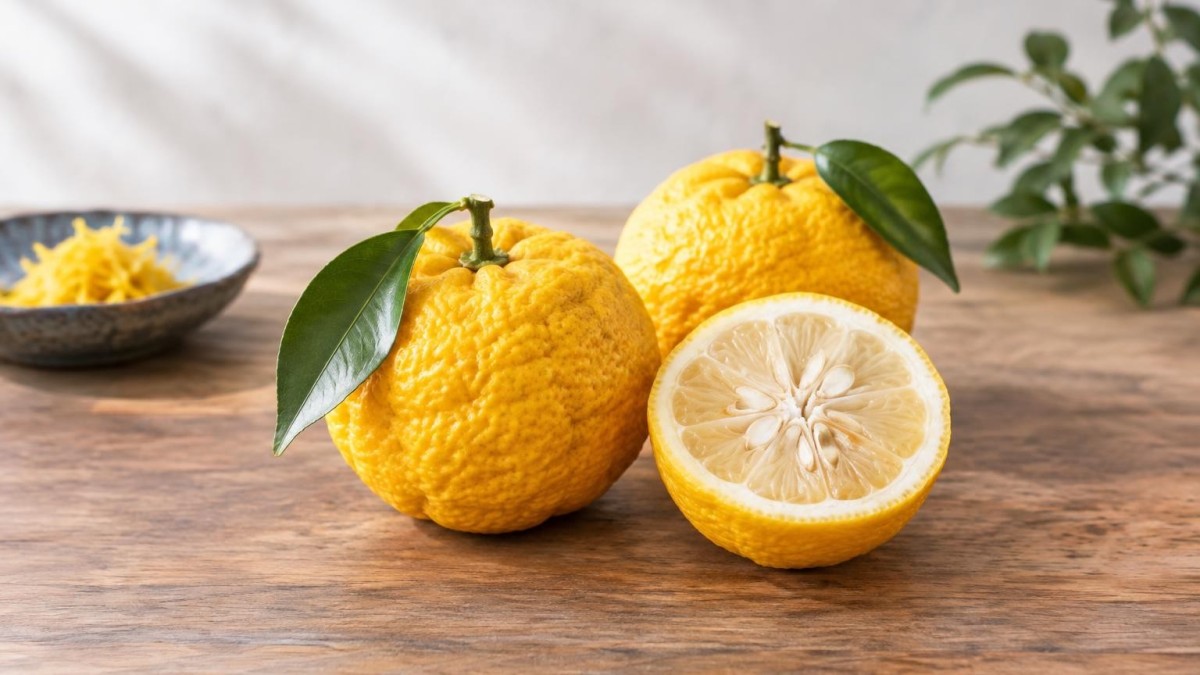
| Origin | East Asia, predominantly Japan |
|---|---|
| Where It’s Grown | Japan, South Korea, China, and increasingly in California |
| Notable Varieties | Koyu, Koji, and early-harvest yuzu |
| Flavor and Texture | Tart, floral, and aromatic with a bumpy rind |
| Common Uses | Culinary zest, juice, cocktails, skincare, and fragrances |
The yuzu citrus, with its distinctive rugged skin and intensely fragrant zest, is far more than just a sour fruit in Japan. Revered for centuries, it has a rich history that traces back to wild origins in East Asia. Its journey from wild forests to becoming a culinary and cultural icon is as remarkable as its bright, tangy flavor.
A Storied Origin and Cultivation
Yuzu is believed to have originated in central China and was introduced to Japan during the Tang dynasty, around the 8th century. Unlike the more common citrus fruits, yuzu thrives in cooler climates and is well-suited to Japan’s mountainous regions. Today, it’s cultivated mainly in the mountainous areas of Japan’s Shikoku and Kii Peninsula, with growers carefully tending to its relatively challenging cultivation needs. The fruit’s thick, bumpy rind and small size distinguish it easily from other citrus, making it a sought-after specialty rather than a commercial staple.
From Traditional Kitchens to Global Cocktails
Yuzu’s flavor is a vibrant blend of grapefruit, lemon, and mandarin notes, with an intoxicating floral aroma. Japanese cuisine embraces it in many forms—often as zest grated over dishes to impart a bright, refreshing touch, or as juice in ponzu sauce, a beloved condiment. Beyond food, yuzu’s peel is used in hot baths during winter solstice celebrations, believed to ward off colds and invite good health. Internationally, its popularity is rising fast. Mixologists prize yuzu juice in cocktails, appreciating its complex citrus notes that elevate drinks. It’s also found a niche in cosmetics, where its essential oils provide fragrance and purported skin benefits, expanding yuzu’s influence well beyond the kitchen.
Diverse Varieties and Cultural Significance
Among yuzu types, notable varieties like Koyu and Koji offer subtle differences in flavor intensity and harvest time, appealing to chefs and connoisseurs. The fruit’s cultural import endures, symbolizing purity, protection, and seasonal transition in Japan. As global interest grows, yuzu farming is spreading beyond Japan, with experimental groves in parts of California aiming to capture its unique zest. Whether in a delicate sashimi garnish or a boldly flavored cocktail, yuzu offers a taste and aroma experience unmatched by other citrus fruits.
For culinary enthusiasts and those curious about global flavors, yuzu is a perfect example of how a local treasure can captivate palates worldwide while retaining its deep cultural roots.
Newsletter Station provides professionally written, ready-to-send newsletters customized for your market and brand.
EXPLORE NEWSLETTER OPTIONS