
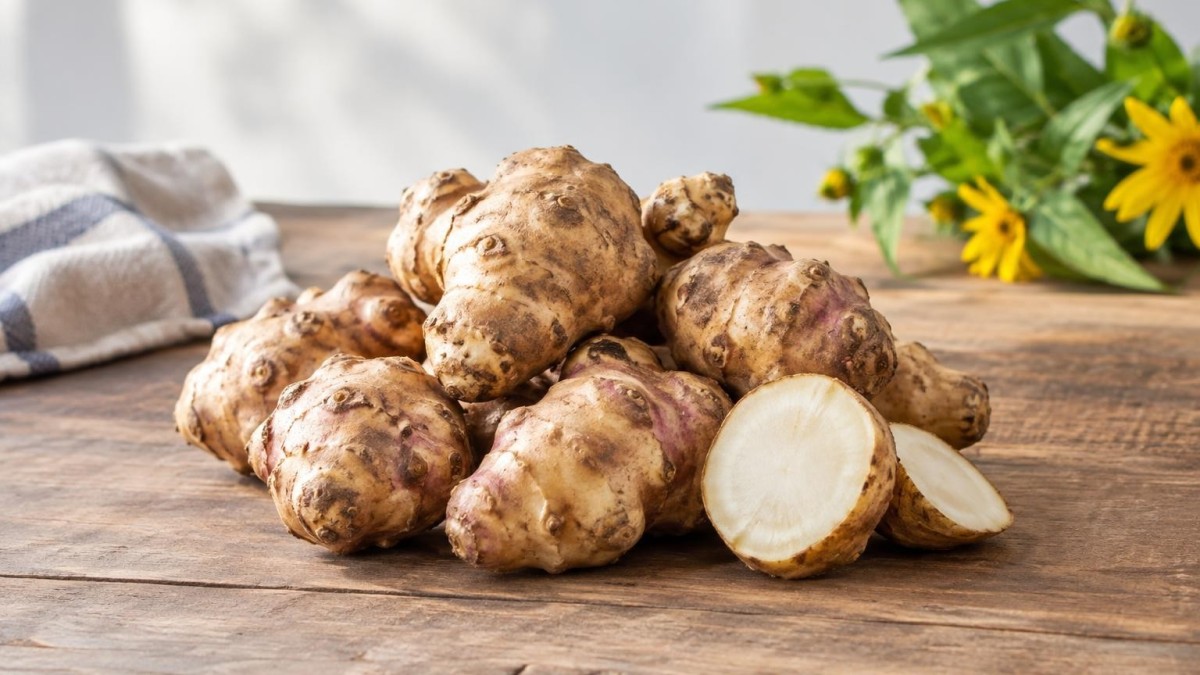
| Origin | North America, primarily eastern regions |
|---|---|
| Where It’s Grown | United States, Canada, Europe |
| Notable Varieties | White, Gold, Red, and Purple sunchokes |
| Flavor and Texture | Nutty, slightly sweet, with a crunchy texture when raw and creamy when cooked |
| Common Uses | Roasted, pureed, in soups, salads, or as a potato substitute |
Native American Origins
Often overlooked in grocery aisles today, sunchokes—also known as Jerusalem artichokes—carry a rich heritage that dates back centuries. Native American tribes prized this knobby tuber for its versatility and nutritional value long before European settlers arrived. Cultivated primarily by indigenous peoples in the eastern regions of North America, sunchokes were an important food source ideal for the continent's varied climates and soils.
From Field to Modern Kitchen
Initially cultivated in small plots, sunchokes adapt easily to different soils and climates, which helped spread their cultivation beyond native communities. European settlers adopted the plant but largely relegated it to animal feed or overlooked it in favor of familiar crops. Fast forward to today, and sunchokes have re-emerged as a sought-after ingredient among food enthusiasts and chefs. Their versatility is remarkable: raw, they add a crunchy, nutty flair to salads; roasted, they develop a sweet, earthy flavor; pureed, they create a rich and creamy base for soups; and they often serve as a low-starch substitute for potatoes.
Varieties and Growing Regions
While the wild form of sunchokes is typically pale beige or light brown, cultivated varieties now boast a spectrum of colors, including golden yellows, reds, and purples. These varieties offer subtle differences in flavor intensity and texture but remain largely consistent in their culinary applications. Today, sunchokes thrive not only across North America but also in parts of Europe where farmers appreciate their hardiness and low maintenance.
Nutritional Value and Considerations
Nutritionally, sunchokes are a good source of inulin, a type of prebiotic fiber that supports digestive health. They are low in calories yet rich in iron, potassium, and thiamin. While this makes them an attractive option for some diets, those unfamiliar with sunchokes may want to introduce them gradually as inulin can cause digestive discomfort in sensitive individuals. Cooking methods greatly influence their digestibility and flavor, so experimenting with roasting or pureeing can enhance the experience for new tasters.
Sunchokes offer a compelling taste of history and nutrition from Native American roots to present-day tables. For cooks willing to explore, these tubers deliver both culinary delight and a connection to the land’s heritage.
Newsletter Station provides professionally written, ready-to-send newsletters customized for your market and brand.
EXPLORE NEWSLETTER OPTIONS