
| Inventor | Bell Labs Engineering Team |
|---|---|
| Place of Development | United States |
| First Patent | 1963 |
| Commercial Introduction | 1965 |
| Key Innovation | Touch-tone dialing system replacing rotary mechanism |
Imagine dialing an important phone number and having to wait, patiently moving your finger around a circular dial for each digit. The classic rotary phone, dominant for much of the early 20th century, required users to rotate a numbered dial to produce pulses representing the desired numbers. This process was slow, occasionally prone to mistakes, and could even cause mechanical wear over time.
The Challenges of Rotary Dialing
Rotary phones worked by sending a series of electrical pulses corresponding to each digit dialed. While this system was reliable, it had several downsides. First, dialing a long number was time-consuming, with each finger rotation followed by the need to wait for the dial to return to its resting position before proceeding. This created a frustratingly slow user experience, especially for busy households or businesses needing quick connections.
Moreover, the mechanical nature of the rotary dial made it susceptible to wear and tear. The moving parts could stick, become misaligned, or fail entirely due to repeated use. Additionally, pulse dialing was incompatible with some newer telephone exchanges and services, limiting the system's adaptability to evolving technologies.
How the Push-Button Phone Changed Calling
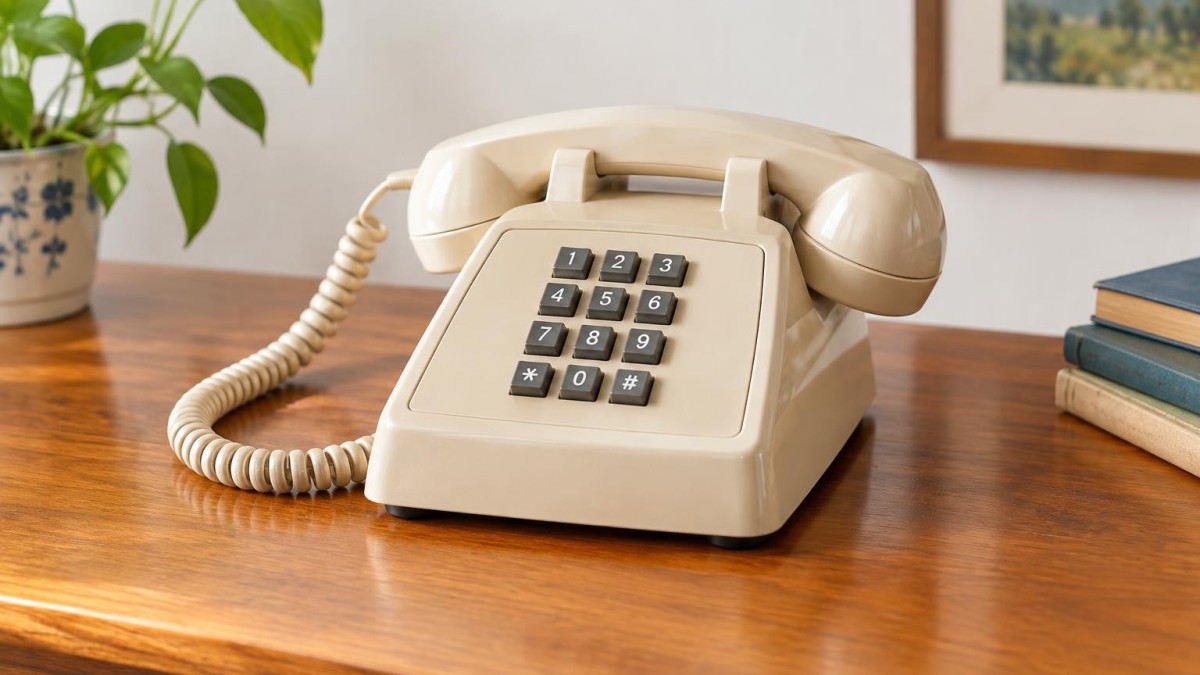
In response to these challenges, engineers at Bell Labs developed the push-button telephone, introducing the revolutionary touch-tone dialing system. Instead of mechanical pulses, push-button phones sent distinct audio tones for each key pressed. This dual-tone multi-frequency (DTMF) signaling was faster, more reliable, and allowed for greater compatibility with emerging telephone network technologies.
The first patent for this innovation was granted in 1963, marking a milestone in telecommunication. By 1965, push-button phones began reaching consumers, offering a new dialing experience that was quicker and more straightforward. Users could press buttons effortlessly to enter numbers, reducing dialing errors and mechanical failures.
The design also opened possibilities for additional services like automated menus and voicemail, which rely on touch-tone signaling rather than pulse dialing. This helped push-button phones quickly become the new standard, eventually phasing out rotary dials in homes and businesses around the world.
Legacy of the Push-Button Telephone
While now largely replaced by smartphones, the push-button telephone marked a crucial step in making telecommunication faster and more user-friendly. It alleviated the tediousness and mechanical issues of rotary phones and paved the way for the interactive calling experiences we take for granted today.
Newsletter Station provides professionally written, ready-to-send newsletters customized for your market and brand.
EXPLORE NEWSLETTER OPTIONS