
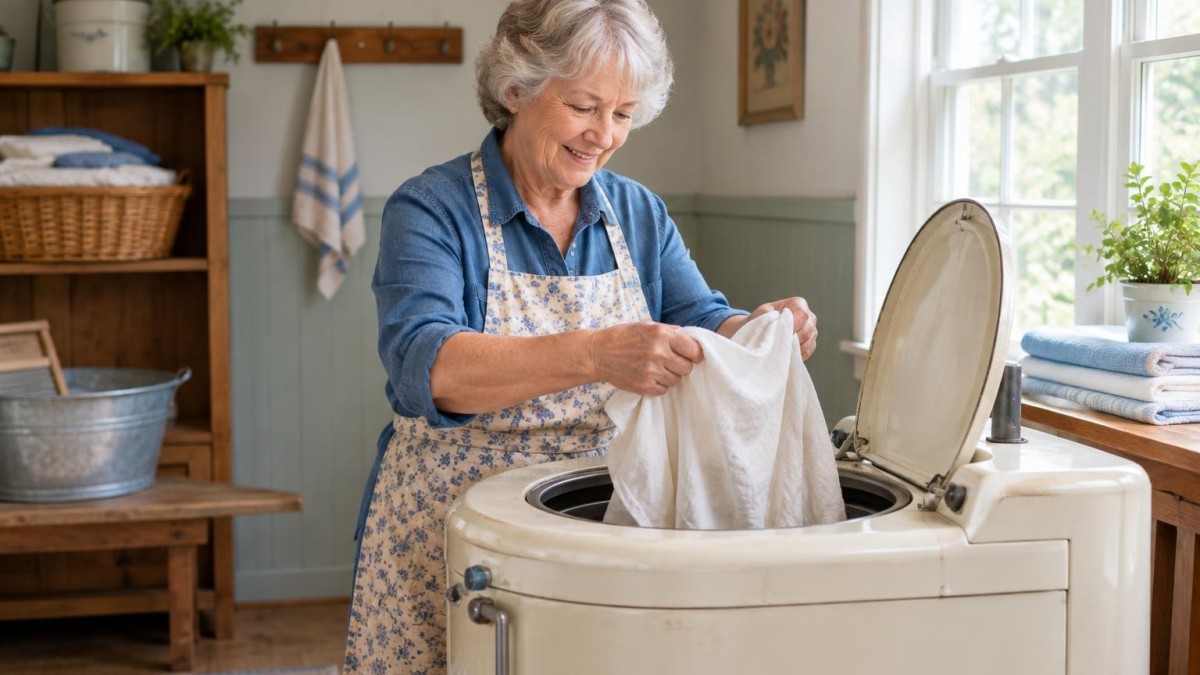
| Inventor | Jacob Christian Schäffer (early prototype) |
|---|---|
| Place of Development | Germany and United States |
| First Patent | 1858, Hamilton Smith |
| Original Purpose | Mechanize the labor-intensive process of hand-washing clothes |
| Key Innovation | Rotating drum and mechanical agitation |
Before the invention of the washing machine, washing clothes was a strenuous, all-day affair. People scrubbed, rinsed, and wrung garments by hand, often standing by a river or over a washboard. This physically demanding chore shaped household routines and the pace of family life for centuries.
Technical Hurdles and Design Challenges
The path to the modern washing machine was marked by numerous technical obstacles. Early models lacked effective agitation methods and waterproof motors, making them unreliable and awkward to operate. Many early designs were bulky or powered by hand or foot, limiting their practicality.
In 1858, Hamilton Smith patented a rotating drum machine, a key innovation that moved beyond simple scrubbing motions. However, even this technology was far from household-friendly. Early devices often damaged delicate fabrics or used too much water and energy. Manufacturers also struggled with creating machines that fit into homes without extensive plumbing or electricity.
Social Resistance and Adoption Barriers
Beyond technical issues, the washing machine faced social and economic challenges. For decades, laundry was considered women's work tied to social tradition and physical effort. Many households saw no immediate need to switch to machines that were expensive and large, especially when hired help was common among wealthier families.
Rural homes and areas without reliable electricity or running water found early washing machines impractical. Additionally, skepticism about the machines' effectiveness and fears about damaging clothing slowed acceptance. It was not until the early 20th century, when electric motors and standardized plumbing became widespread, that the machines became truly practical and affordable for the average household.
How the Washing Machine Became a Household Staple
Mass production and competition among manufacturers in the 1920s and 1930s led to more efficient, less expensive models. Features like electric agitation and spin-drying transformed laundry from a back-breaking chore into a more manageable task. Advertisements highlighted time saved and improved family life, helping shift perceptions.
The washing machine's rise reflected broader social changes, including urbanization, women’s increasing participation in the workforce, and advances in home utilities. By mid-century, it had become an essential appliance in many households, revolutionizing how families managed daily life.
Understanding these early obstacles reveals the complex blend of mechanical innovation and cultural adaptation that turned the washing machine into a transformative everyday invention.
Newsletter Station provides professionally written, ready-to-send newsletters customized for your market and brand.
EXPLORE NEWSLETTER OPTIONS