
| Inventor | Barthélemy Thimonnier (first practical machine), Elias Howe (patented key improvements), Isaac Singer (commercial popularizer) |
|---|---|
| Place of Development | France and United States |
| First Patent | 1846 (Elias Howe) |
| Commercial Introduction | 1851 (Isaac Singer's improvements) |
| Original Purpose | Speed up sewing to make clothing production faster and less labor-intensive |
| Key Innovation | Mechanized needle and shuttle design to automate stitching |
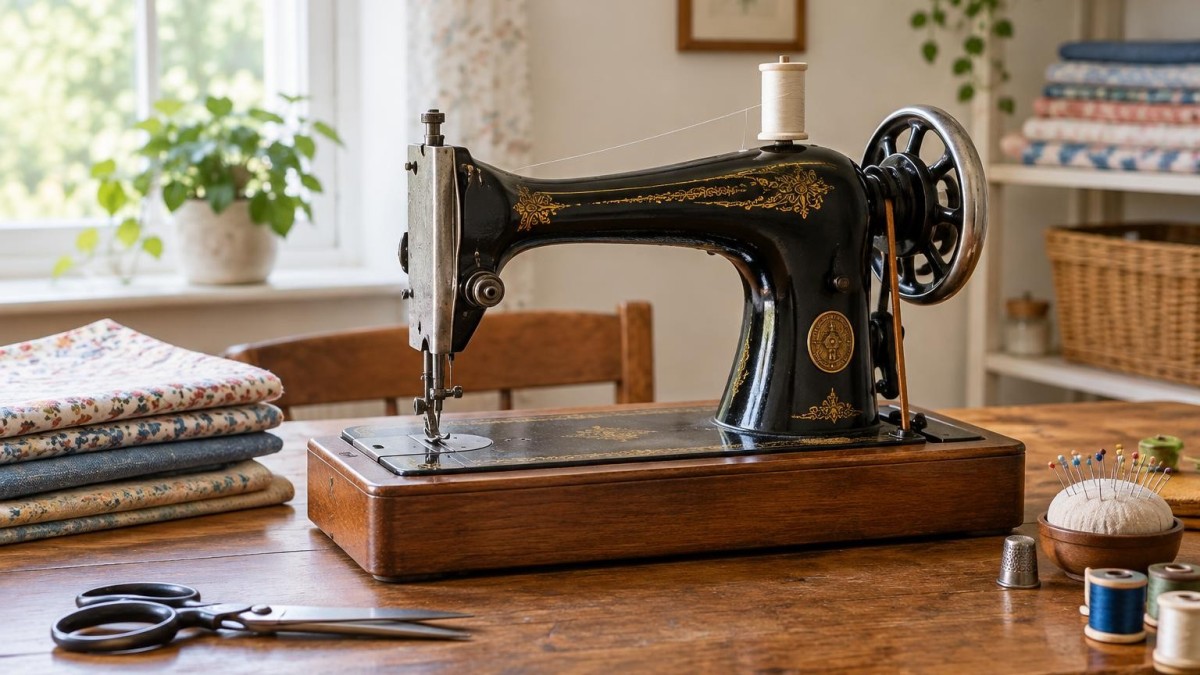
Before the sewing machine, making clothes was painstakingly slow. Tailors and home sewers relied on hand stitching, needlework that could take hours or days per garment. The coming of mechanized sewing brought hopes of speeding production, but it faced many hurdles before winning public acceptance.
Early Skepticism and Setbacks
The first practical sewing machine by Barthélemy Thimonnier in 1829 stirred controversy rather than celebration. His machines threatened the livelihoods of skilled tailors who feared job loss. Indeed, in France in 1831, angry tailors destroyed many of Thimonnier’s machines in protest. This early opposition underscored a broader resistance to mechanization during the Industrial Revolution.
Meanwhile, early machines themselves were often unreliable or awkward to use. They couldn’t always match the quality or flexibility of hand sewing, limiting their appeal. It wasn’t until Elias Howe patented a lockstitch design in 1846 that the sewing machine gained a technical boost to produce stronger, consistent stitches.
Turning the Tide: Practical Improvements and Commercial Success
Isaac Singer’s adaptations in the early 1850s turned sewing machines into practical household tools. His improvements included a foot pedal (treadle) that freed users’ hands and allowed continuous stitching. Singer also made machines more affordable and accessible through installment payment plans, broadening their reach beyond factories to ordinary homes.
Public opinion shifted as customers experienced firsthand how machines could save time and effort. As garment factories adopted machines, sewing became faster and less costly, linking the technology to growing consumer demand for ready-made clothing. Over decades, fears eased as mechanized sewing proved a complement to skilled work rather than a wholesale replacement.
Legacy of the Sewing Machine
By overcoming early opposition, technical flaws, and social fears, the sewing machine helped spark the mass production of textiles and clothing. It transformed fashion accessibility and empowered generations of home sewers, especially women, with new tools for creativity and income. Today, the sewing machine’s story reminds us how innovation often needs time, practical tweaks, and persuasive success to become part of everyday life.
Newsletter Station provides professionally written, ready-to-send newsletters customized for your market and brand.
EXPLORE NEWSLETTER OPTIONS