
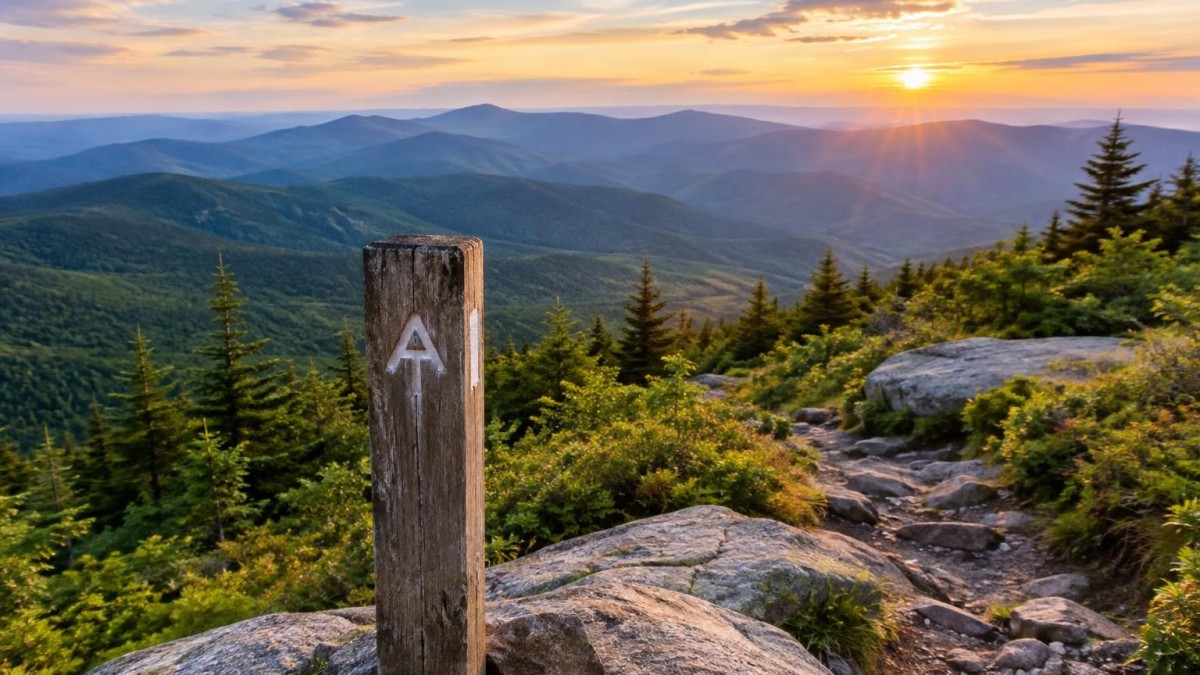
| Location | Spans 14 states from Georgia to Maine |
|---|---|
| Site Type | Long-distance hiking trail |
| Known For | World’s longest continuous marked footpath |
| Established | Officially completed in 1937 |
| Length | 2,190 miles (3,524 kilometers) |
The Appalachian Trail is not just a path through the forests and mountains of the eastern United States—it's a symbol of America's growing recognition of the importance of wilderness preservation. Since its completion in 1937, this extensive footpath has played a key role in inspiring public interest, shaping conservation policies, and fostering a deep connection with the natural environment.
A Trail That Changed Perspectives
The vision for the Appalachian Trail emerged in the early 20th century at a time when America was still grappling with how to balance development and nature. Conceived by Benton MacKaye, a regional planner and forester, the trail was meant to offer urban dwellers an opportunity to reconnect with nature and find respite from industrial life. As hikers made their way along this rugged 2,190-mile stretch, their journeys became more than recreational—they sparked an appreciation for preserving large swaths of wilderness.
Its continuous path crossing 14 states served as a living example of the value of protected public lands and wilderness corridors. Hiker accounts and growing public enthusiasm helped build political will to maintain these natural spaces. The trail’s existence highlighted the need for stewardship and stewardship efforts eventually influenced broader conservation legislation across the nation.
Legacy and Conservation Impact
The Appalachian Trail has inspired the creation of new parks, wilderness areas, and wildlife corridors, playing a foundational role in the conservation movement. Managed by a partnership of the National Park Service, U.S. Forest Service, various state agencies, and thousands of volunteers, it remains a testament to community-driven preservation efforts.
More than a route for adventure, the trail represents a collective commitment to sustaining America’s natural heritage. It encourages outdoor education, supports biodiversity, and offers a hands-on experience with conservation ethics. For millions of visitors each year, it’s a reminder that preserving wilderness benefits society and future generations.
As environmental challenges evolve, the Appalachian Trail continues to be a beacon of how thoughtful stewardship and public engagement can protect wild places and influence national conservation priorities.
Newsletter Station provides professionally written, ready-to-send newsletters customized for your market and brand.
EXPLORE NEWSLETTER OPTIONS