
| Location | Southern Florida, USA |
|---|---|
| Site Type | National Park and Wetland Preserve |
| Known For | Unique mangrove forests, diverse wildlife, and vast wetlands |
| Established as a National Park | 1934 |
| Size | 1.5 million acres (6,070 km²) |
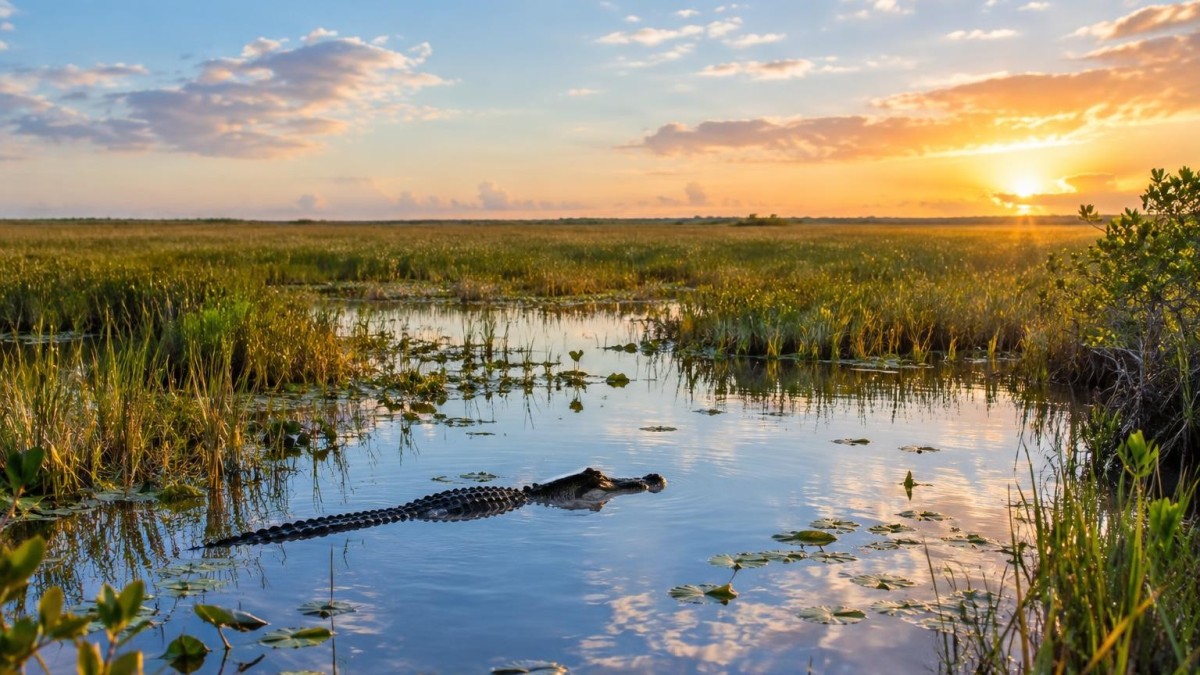
The Everglades National Park is often called the "River of Grass"—a slow-moving, shimmering river of sawgrass stretching across Southern Florida. This landscape was sculpted over thousands of years by water, rainfall, and seasonal floods, creating one of the most unique wetland ecosystems in the world. But balancing the natural water flow that sustains this delicate environment with human needs and environmental threats is a constant challenge.
Water Shapes the Everglades
Originally, the Everglades formed as water from Lake Okeechobee overflowed southwards, flowing slowly through extensive marshes and mangrove forests before reaching the Gulf of Mexico. This steady freshwater flow nourished a rich variety of plants and animals, including endangered species like the Florida panther and the American crocodile.
However, in the last century, development, agriculture, and urban growth drastically altered this natural water cycle. Canals, levees, and water control structures were erected to drain wetlands, prevent flooding, and supply water to Miami and surrounding cities. While these projects helped support a growing human population, they disrupted the vital sheet flow of freshwater, threatening the health of the Everglades’ ecosystems.
Balancing Human Use with Wetland Health
Today, managing water in the Everglades means walking a complex tightrope. Park managers and regional planners aim to restore more natural water flows to the wetlands whenever possible. Projects like the Comprehensive Everglades Restoration Plan (CERP) work to remove or modify barriers and improve water distribution.
At the same time, these efforts must coexist with ongoing water demands from agriculture and a populous metropolitan area. Controlling the timing and quantity of freshwater releases is critical to prevent harmful algal blooms, saltwater intrusion, and habitat degradation.
Protecting the Everglades involves continuous monitoring of water quality and quantity, habitat restoration, and science-based adjustments to water management policies. It's a dynamic process reflecting a commitment to safeguard this national treasure for generations while recognizing the realities of modern human needs.
For visitors today, seeing healthy expanses of sawgrass, spotting wading birds, or gliding quietly through mangrove tunnels on an airboat reveals the success and ongoing challenges of balancing nature and human influence. The Everglades remind us how water is both a life-giver and a responsibility, tying communities and ecosystems together in a fragile harmony.
Newsletter Station provides professionally written, ready-to-send newsletters customized for your market and brand.
EXPLORE NEWSLETTER OPTIONS