
| Location | Colorado, USA |
|---|---|
| Site Type | National Park |
| Known For | Tallest sand dunes in North America |
| Established as a National Park | 2004 |
| Highest Dune Height | 750 feet (229 meters) |
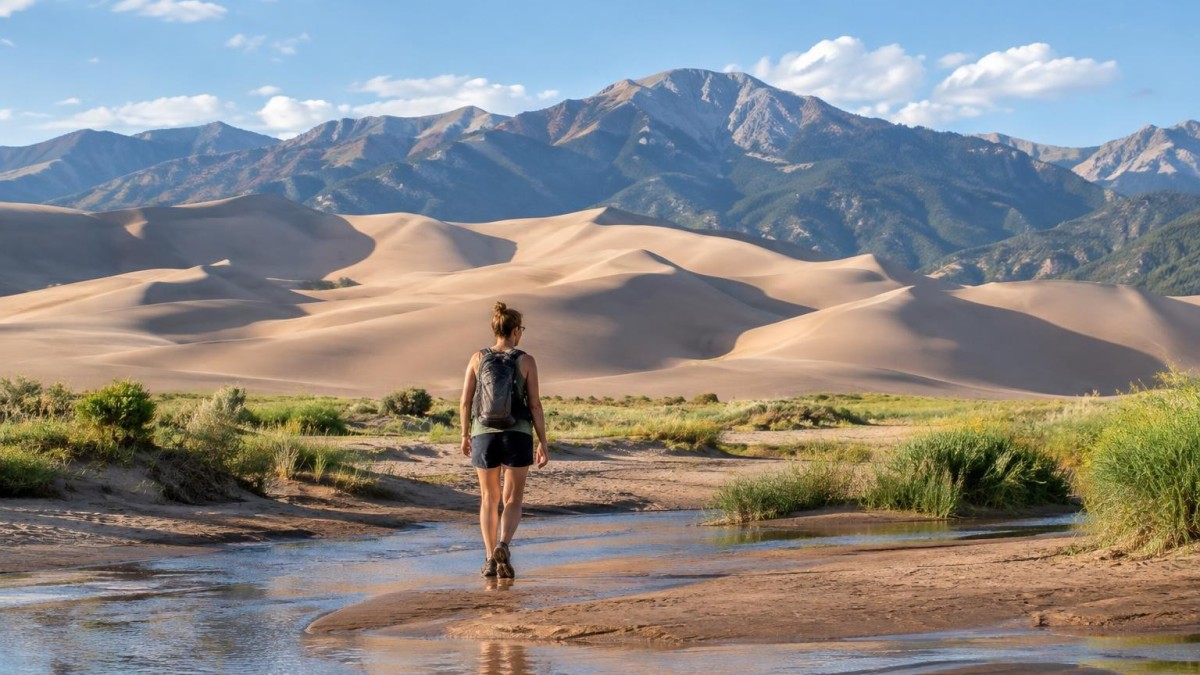
The soaring sand dunes of Great Sand Dunes National Park rise sharply against a backdrop of rugged mountains in southern Colorado, creating an otherworldly landscape. These dunes, the tallest in North America, reach heights of up to 750 feet, shaped and sculpted over thousands of years by persistent winds and shifting climate conditions. Yet beneath this impressive sandy surface lies an equally fascinating secret: ancient waters sustaining an exceptional ecosystem.
Shaping a Distinctive Landscape
The dunes themselves began forming more than 440,000 years ago, when the valley that now hosts the park was shaped by glacial activity and river flows, creating a basin surrounded by mountains. Winds funnel through the mountain passes, picking up sand from the nearby San Luis Valley and depositing it in shifting formations. The result is a dynamic landscape that constantly changes with the weather but maintains its dramatic profile.
While the dunes grab the most attention, the park’s unique environment blends desert, wetlands, grasslands, and forests in close proximity. This diversity supports a range of plant and animal life adapted to these varied habitats.
Ancient Aquifers and Life Beneath the Sand
Hidden beneath and around the shifting dunes are ancient aquifers—underground water sources that are remnants of past climates and geologic activity. These waters feed springs and wetlands around the dunes, creating habitats that sustain rare amphibians, insects, and plants that thrive in the moist environments. This interplay between dry dunes and hidden water makes the ecosystem here exceptionally delicate and unique.
One remarkable example is the presence of the Great Sand Dunes’ springtails—tiny insects that rely on moist environments to survive despite the surrounding arid conditions. The water also feeds riparian zones along Medano Creek, a rare flowing stream that appears seasonally near the dunes, adding to the area's biological richness.
Visitors to Great Sand Dunes National Park can witness not only the vast sea of sand but also the surprising bursts of life that depend on these ancient waters. Hiking, sand sledding, and stargazing are popular activities, but understanding the connection between the dunes and their hidden waters can deepen appreciation for this uncommon natural wonder.
Great Sand Dunes National Park stands as a testament to nature’s power to create complex and life-sustaining environments from seemingly inhospitable landscapes. Its towering dunes and the life they support beneath highlight the subtle balances that define this special place in Colorado’s high desert.
Newsletter Station provides professionally written, ready-to-send newsletters customized for your market and brand.
EXPLORE NEWSLETTER OPTIONS