
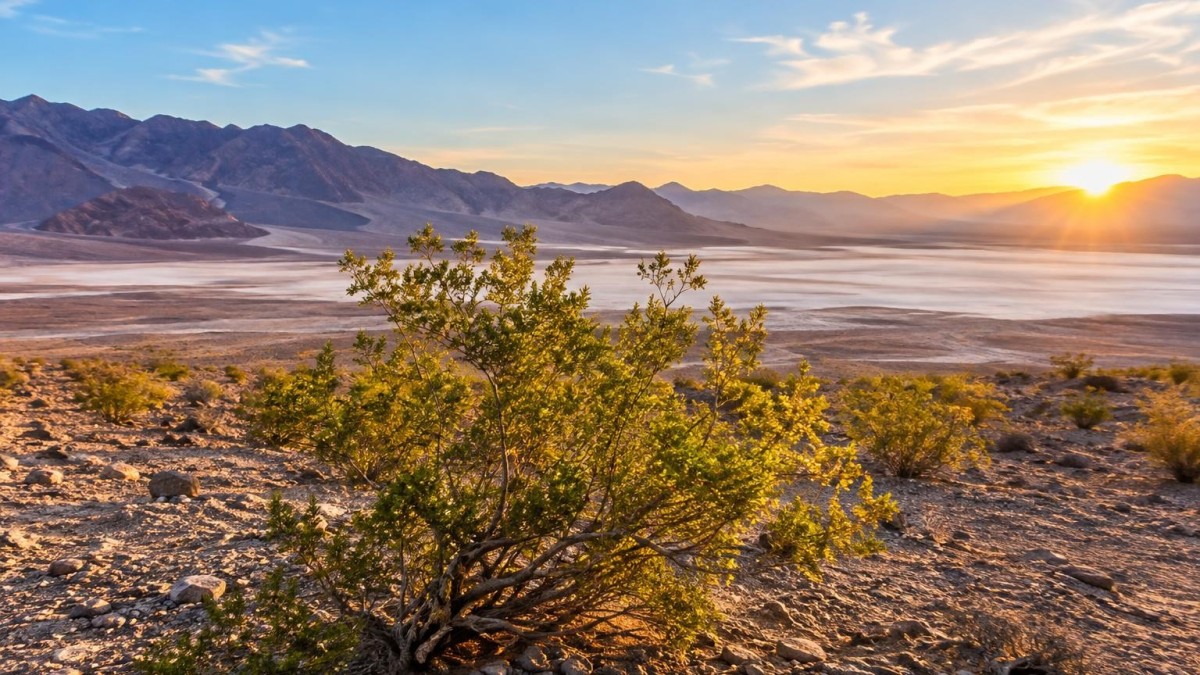
| Location | California and Nevada, USA |
|---|---|
| Site Type | National Park |
| Established | February 11, 1933 |
| Known For | Hottest recorded temperatures in North America |
| Area | 3.4 million acres |
Imagine standing in a sunbaked basin where temperatures soar to nearly 134°F (56.7°C), the highest reliably recorded on Earth. This is Death Valley, a place where extremes reign and life seems unlikely to endure. Yet, beneath the harsh sun and vast dunes, a surprising story of survival and adaptation unfolds.
Extreme Conditions Shape the Landscape
Death Valley spans more than 3.4 million acres straddling California and Nevada. It’s situated below sea level, reaching a low point at Badwater Basin that lies 282 feet below sea level. The valley’s geography traps intense heat, making it one of the hottest places on the planet during the summer months. The combination of its low elevation and dry air allows temperatures to climb to scorching highs while rainfall remains sparse—averaging less than 2 inches a year.
The landscape is a mix of sand dunes, salt flats, rugged canyons and rocky mountains. These features were sculpted over millennia by tectonic forces, wind erosion, and infrequent flash floods, contributing to the park’s distinctive rugged beauty.
Life’s Clever Adaptations in a Harsh Climate
Despite the relentless heat and almost nonexistent water, a variety of plants and animals thrive here, each uniquely fitted for survival. Creosote bushes dominate the desert floor; their waxy leaves reflect sunlight and minimize water loss. The aptly named 'Death Valley pupfish' lives in isolated desert springs and pools, tolerating salinities and temperatures that would be lethal to other fish.
Animal life is mostly nocturnal or crepuscular to avoid the daytime heat. Desert tortoises spend much of the day sheltered underground, emerging to forage during cooler hours. Kangaroo rats have adapted to survive without ever drinking water, extracting moisture from their seed diet.
Even microbial life endures here, with heat-loving bacteria thriving on the salt flats and mineral-rich soils, demonstrating life's resilience in extreme conditions.
Visiting Death Valley offers a rare glimpse into how ecosystems can function on the edge of habitability, reminding us that life’s persistence often depends on adaptation and resourcefulness.
Newsletter Station provides professionally written, ready-to-send newsletters customized for your market and brand.
EXPLORE NEWSLETTER OPTIONS