
| Location | Los Alamos, New Mexico |
|---|---|
| Site Type | Historic National Laboratory |
| Known For | Development of the First Atomic Bomb |
| Established as a National Historic Landmark | 1965 |
| Facility Size | Approximately 36 square miles |
The story of Los Alamos National Laboratory is one woven into the fabric of World War II history. Concealed atop the mesas of northern New Mexico, this secretive site was the birthplace of the Manhattan Project’s groundbreaking scientific work that ultimately led to the development of the first atomic bomb.
Origins in Secrecy
In 1943, with the global conflict intensifying, the U.S. government sought a secluded location to spearhead atomic research—far from prying eyes. Los Alamos was chosen for its remote geography and existing infrastructure. At first, the project was cloaked in tight secrecy, not only to protect national security but to ensure the scientists could work without distractions or threat.
Under the leadership of physicist J. Robert Oppenheimer, the laboratory brought together some of the era’s most brilliant minds. They collaborated in a race against time and the terrifying prospect of war’s escalation, pushing physics, chemistry, and engineering into unexplored territory.
Science That Changed the World
The work at Los Alamos culminated in the design and testing of two types of atomic bombs: the gun-type and the implosion-type devices. This pioneering research not only ended the war but also ushered in the atomic age, profoundly shaping global politics and scientific inquiry for decades to come.
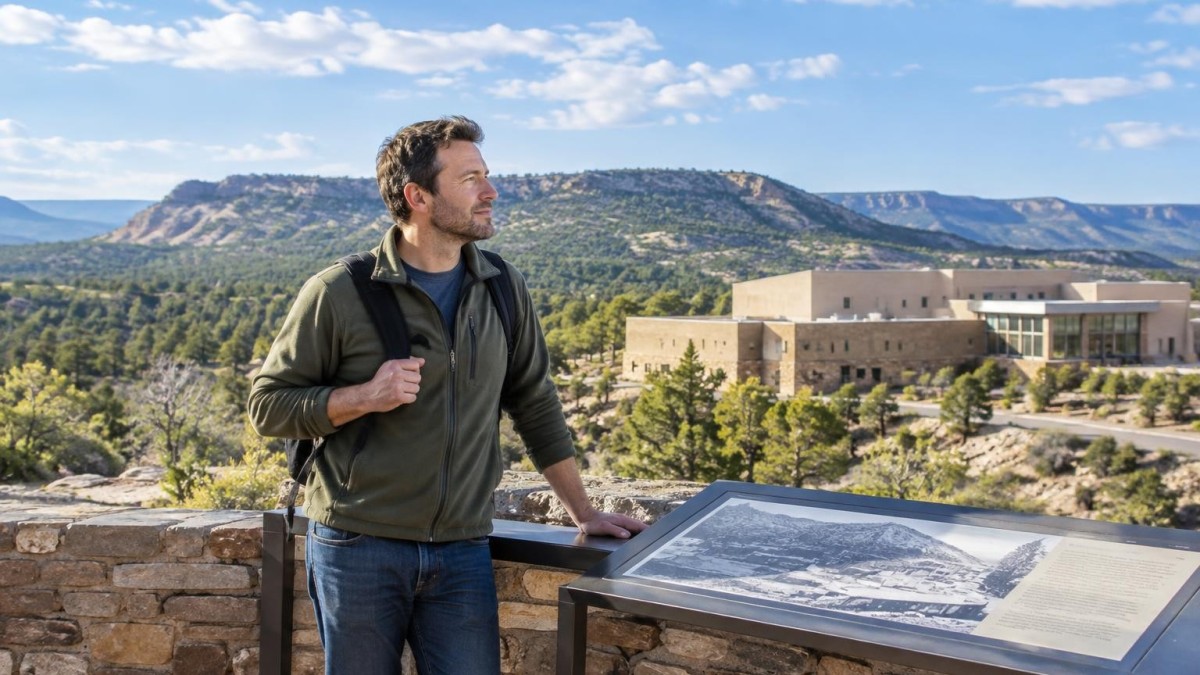
Today, visitors to the Los Alamos area can explore museums and historical sites that offer insight into this pivotal chapter of American and world history. The site reminds us of the complex relationship between scientific innovation and ethical responsibility.
Newsletter Station provides professionally written, ready-to-send newsletters customized for your market and brand.
EXPLORE NEWSLETTER OPTIONS