
| Location | Utah, USA |
|---|---|
| Site Type | National Park |
| Known For | Distinctive Hoodoos |
| Established as a National Park | 1928 |
| Elevation | 8,000 to 9,000 feet |
The Birth of a Spectacular Landscape
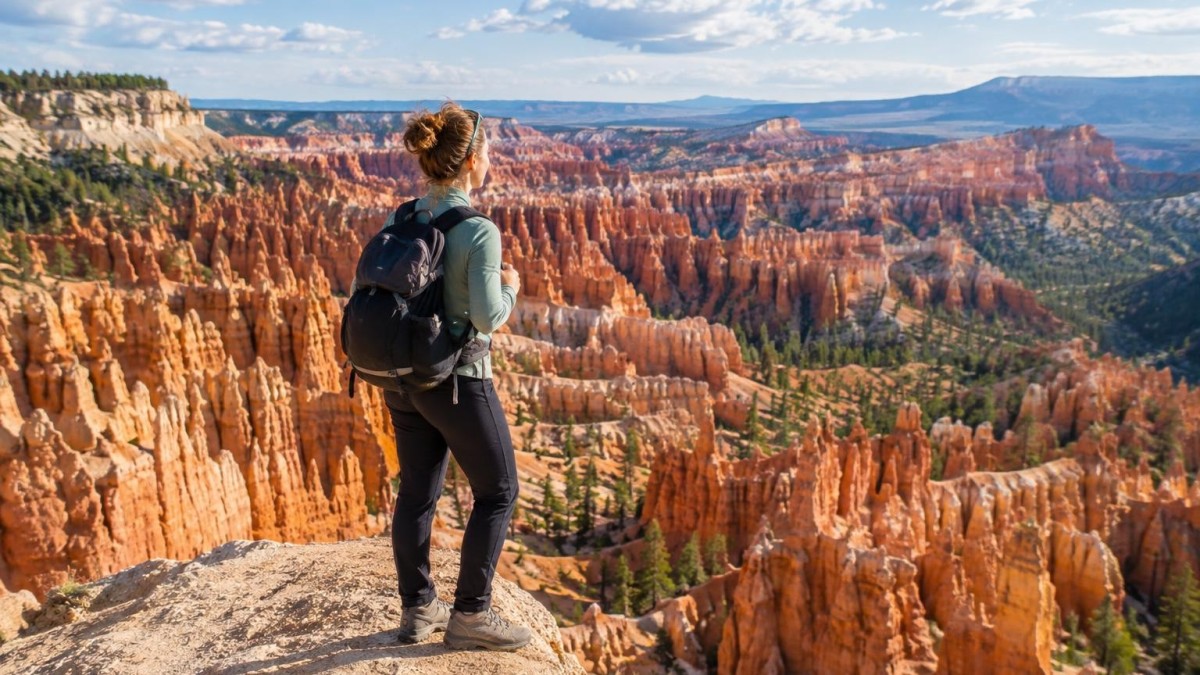
Standing among the striking pink and orange spires known as hoodoos, visitors to Bryce Canyon National Park often wonder how these slender rock formations came to be. The story begins millions of years ago when this region was covered by vast, ancient lakes. Layer upon layer of sediment settled on the lake beds over millennia, compressing into soft rock called sedimentary rock. This gentle start set the stage for the dramatic sculpting that would later shape Bryce Canyon’s unique terrain.
How Water and Climate Worked Together
The key to Bryce Canyon’s striking hoodoos lies in the natural processes of erosion intertwined with shifts in climate. During colder periods, water seeped into cracks in the rock during the day and froze at night. This freezing and thawing cycle caused pieces of rock to slowly break apart—a process called frost wedging. Rain also played an important role, gradually washing away the loosened fragments. Meanwhile, changing climate patterns influenced how much water flowed through the area and how often these freeze-thaw cycles happened, guiding the pace and shape of erosion.
Why Bryce Canyon’s Hoodoos Are Unique
Unlike typical canyons carved by rivers, Bryce Canyon is actually a series of natural amphitheaters formed mainly by erosion along the edge of a high plateau. The hoodoos' slender and varied shapes result from differences in rock hardness within layers deposited by ancient lakes. Softer rock erodes more quickly, leaving the harder rock standing tall. This creates the irregular, twisting spires that appear almost otherworldly. It’s a vivid example of how geology and climate history combine to sculpt a landscape that’s both beautiful and scientifically fascinating.
Visiting Bryce Canyon offers a glimpse into a natural history that spans millions of years, showcasing how ancient lakes, climate cycles, and persistent erosion have collaborated to craft one of America’s most distinctive geological wonders.
Newsletter Station provides professionally written, ready-to-send newsletters customized for your market and brand.
EXPLORE NEWSLETTER OPTIONS