
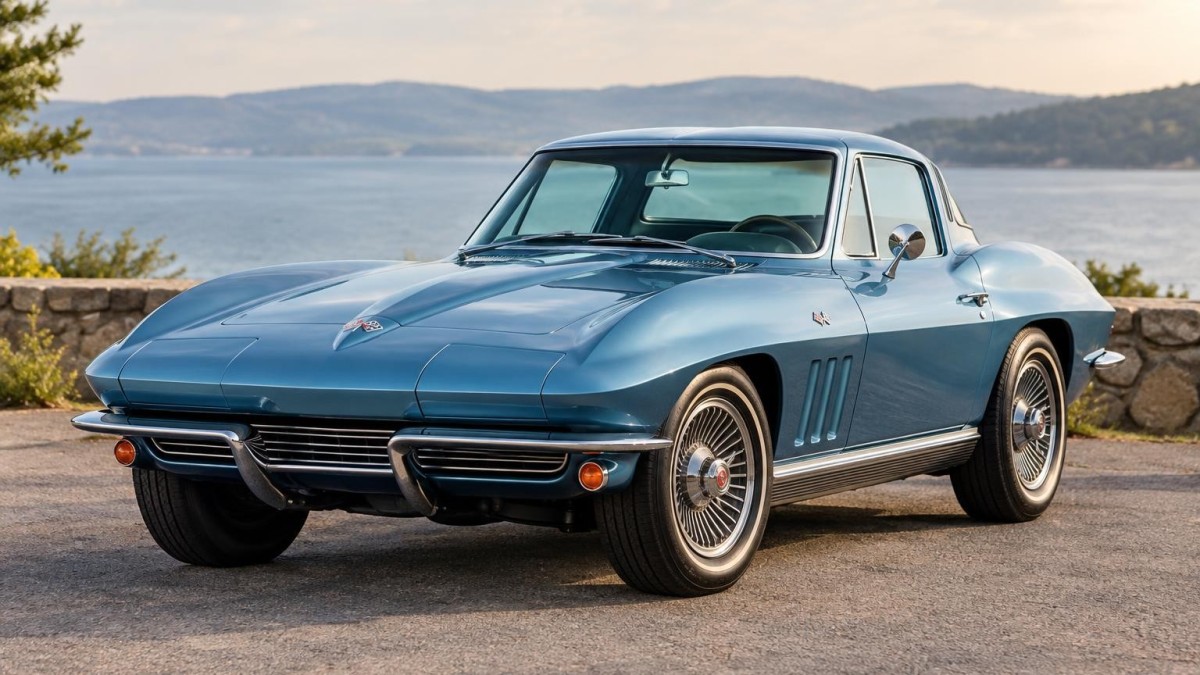
| Specification | Detail |
|---|---|
| Make and Model | 1961 Chevrolet Corvette Sting Ray (C1) |
| Years Produced | 1961 only (Split-window coupé) |
| Engine | 283 cubic inch V8, 230-315 horsepower |
| Curb Weight | Approximately 3,100 lbs |
| Top Speed | Up to 150 mph depending on engine |
| Body Style | Two-seat coupé with split rear window |
The 1961 Chevrolet Corvette Sting Ray coupé stands as a remarkable milestone in American automotive design, largely due to its instantly recognizable split-window rear glass. This bold design move made the ’61 Sting Ray one of the most iconic and collectible Corvettes, though it also sparked considerable debate among enthusiasts and critics alike.
A Design That Broke the Mold
When General Motors set out to redefine the Corvette’s look in the early 1960s, the focus was on sportiness and sophistication. The result was the debut of the C1 Corvette Sting Ray in 1961, a model that showcased sharp fender lines, hidden headlamps, and the now-famous split rear window on the coupé version. This divided window wasn’t just an optical flourish—it was inspired by the fastback design and framed the car’s sculpted rear deck, giving the Sting Ray a distinctive character unmatched in Chevrolet’s history.
The split window became a dramatic visual signature, enhancing the car’s futuristic, almost European sports car appeal. Designer Larry Shinoda, working under Bill Mitchell at GM, pushed for this unique feature despite some reservations about practicality.
Bold Looks, Mixed Reception
While many admired the original Sting Ray’s forward-thinking styling, not everyone found the split window practical. The narrow, central division compromised rear visibility, which some drivers found frustrating during everyday use. Due to this and customer feedback, Chevrolet replaced the split rear window with a single pane in the very next model year, 1962.
Despite—or perhaps because of—its short-lived design feature, the 1961 split-window Corvette earned its place as one of the most collectible and treasured classic American sports cars. Its rarity coupled with the avant-garde styling has kept fans and collectors fascinated for over six decades.
Performance and Legacy
Performance-wise, the 1961 Corvette Sting Ray offered multiple 283 cubic inch V8 options, with horsepower ranging from 230 to 315 depending on the engine choice. This delivered solid performance for the era, matching its aggressive looks with commendable speed and agility.
Today, the 1961 split-window Corvette remains a symbol of bold innovation and the willingness to push design boundaries—even at the risk of controversy. It continues to captivate classic car enthusiasts who value its unique blend of style, performance, and automotive history.
Newsletter Station provides professionally written, ready-to-send newsletters customized for your market and brand.
EXPLORE NEWSLETTER OPTIONS