
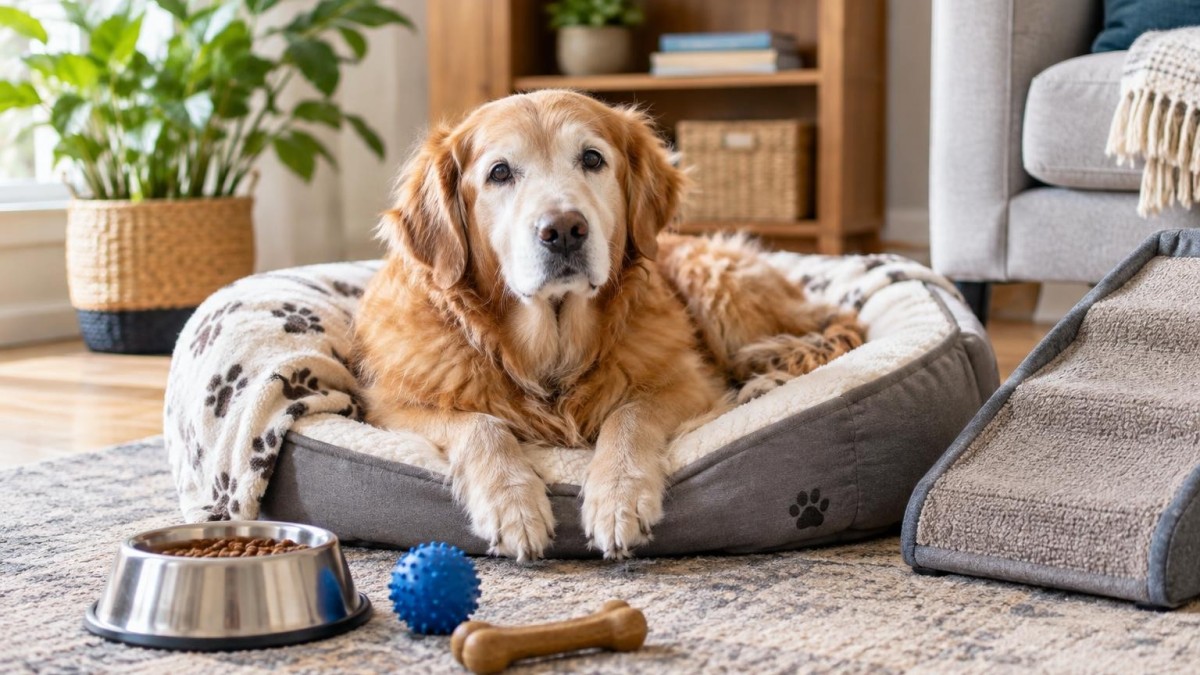
Spotting the Signs Your Pet is Aging
Just like people, pets go through changes as they get older. You might notice your furry friend isn't as energetic as before, or they may start sleeping more during the day. Common signs of aging in pets include slower movements, stiffness in joints, changes in appetite, weight fluctuations, or even some hair graying. Sometimes, your pet might have trouble hearing or seeing as well in their senior years. Keep an eye on their behavior and physical changes to better understand how they’re feeling.
How to Support Your Senior Pet’s Comfort and Mobility
Making simple lifestyle adjustments can significantly improve your older pet’s quality of life. Regular, gentle exercise helps keep their joints flexible and muscles strong — think short, leisurely walks or light play sessions suited to their pace. Providing a cozy, supportive bed can ease stiffness and promote better sleep. Adjust their diet as needed by consulting your vet; sometimes senior pets need food tailored to their age or specific health issues. Don't forget routine veterinary check-ups to catch any emerging concerns early.
Additionally, consider small accessibility changes in your home to support mobility. For example, using ramps instead of stairs, or placing non-slip mats in slippery areas, can help prevent falls. Mental stimulation remains important too — gentle training or puzzle toys can keep your pet’s mind active and engaged.
Recognizing aging signs and adapting your pet care accordingly ensures your loyal companion enjoys their golden years with comfort and happiness.
Newsletter Station provides professionally written, ready-to-send newsletters customized for your market and brand.
EXPLORE NEWSLETTER OPTIONS