
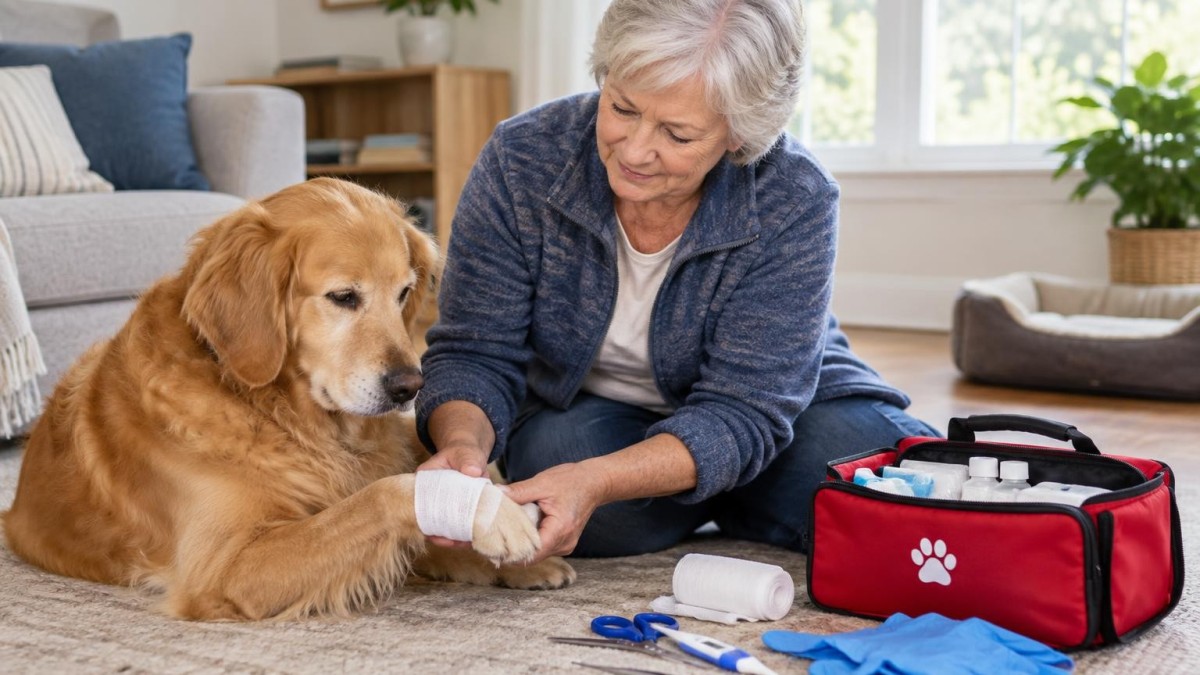
Why First Aid Matters for Pets
When an emergency strikes, knowing how to respond quickly can make all the difference for your pet's well-being. Pets can experience accidents, choking, poisoning, or injuries just like people, but they can’t communicate what’s wrong. Being prepared with basic first aid knowledge helps you act calmly and effectively until you can get professional veterinary care.
Common First Aid Steps for Pets
Start by staying calm and approaching your pet gently to avoid startling them further. Check their breathing and pulse to assess their condition. If your pet is bleeding, apply gentle pressure with a clean cloth to control the bleeding. For choking incidents, look inside your pet's mouth for any visible obstruction, and never blindly sweep a finger inside — this could push the object deeper.
If your pet has ingested a harmful substance, try to identify what it was and call your veterinarian immediately. Avoid inducing vomiting without veterinary advice, as some substances may cause more harm coming back up.
Building Your Pet First Aid Kit
Keep a ready-to-use pet first aid kit at home and in your car. Include items such as sterile gauze, adhesive tape, a digital thermometer, scissors, tweezers, saline solution, and disposable gloves. Also, have your veterinarian’s contact information and the nearest emergency animal hospital on hand.
Taking a pet first aid course can be very helpful to build confidence and learn about CPR, wound care, and recognizing signs of distress. Remember, prompt and knowledgeable action can protect your pet’s health until professional help arrives.
Newsletter Station provides professionally written, ready-to-send newsletters customized for your market and brand.
EXPLORE NEWSLETTER OPTIONS