
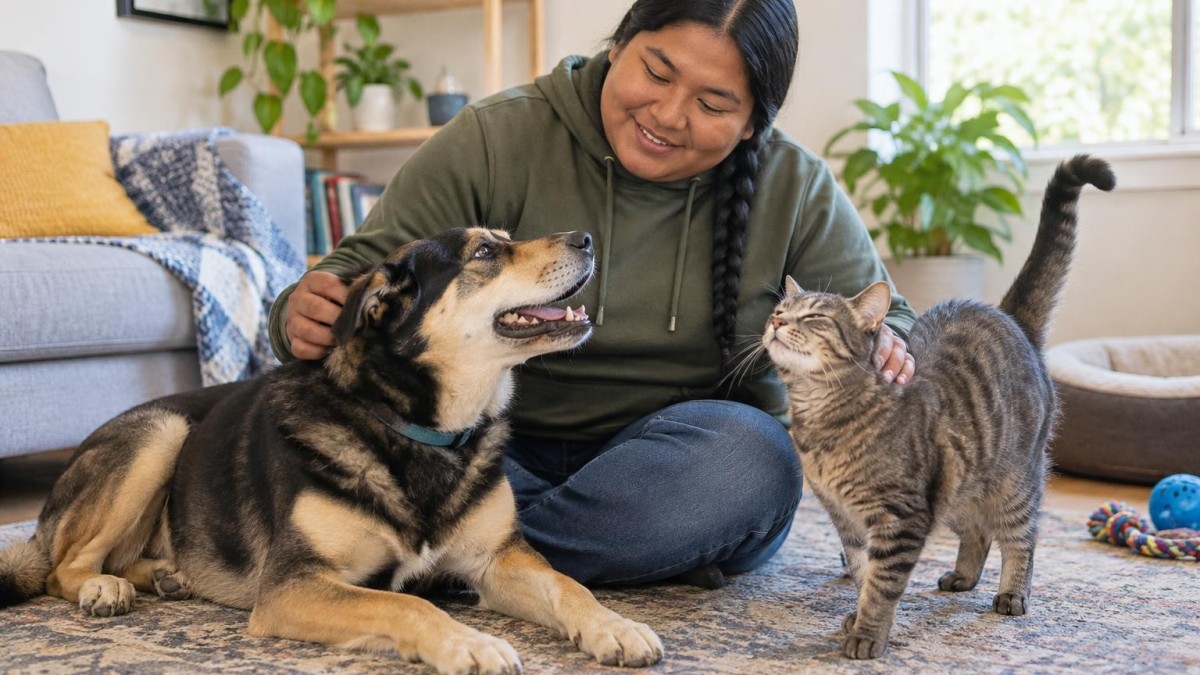
Why Pet Body Language Matters
Pets communicate in many ways beyond just sounds—they use their bodies and faces to tell us how they feel and what they need. By learning to understand their gestures and expressions, you can respond better to their emotions and strengthen the connection you share.
Common Signals and What They Mean
Whether you have a dog, cat, or other furry friend, some body language cues are quite telling. For example, a wagging tail typically shows excitement or happiness in dogs, but a stiff, high tail may signal alertness or agitation. Cats might flick their tails when irritated. Slow blinking in cats is a sign of trust and affection, something you can reciprocate to deepen your bond.
Raised hackles or growling usually mean your pet feels threatened or uncomfortable. Respecting these signals helps prevent stress or aggressive behavior. Ears positioned forward often indicate curiosity or interest, while ears flattened against the head can show fear or submission.
Improving Communication and Connection
Pay close attention to your pet’s body language during daily interactions. Notice how they greet you, respond to new situations, or signal they want attention or space. Responding in kind—whether with gentle petting, giving space, or speaking soothingly—helps build trust.
Consistent observation and patience are key. Over time, you'll become better at recognizing subtle signs and meeting your pet’s needs before problems arise. Understanding their body language is a simple yet powerful way to nurture a happier, healthier relationship with your beloved companion.
Newsletter Station provides professionally written, ready-to-send newsletters customized for your market and brand.
EXPLORE NEWSLETTER OPTIONS