
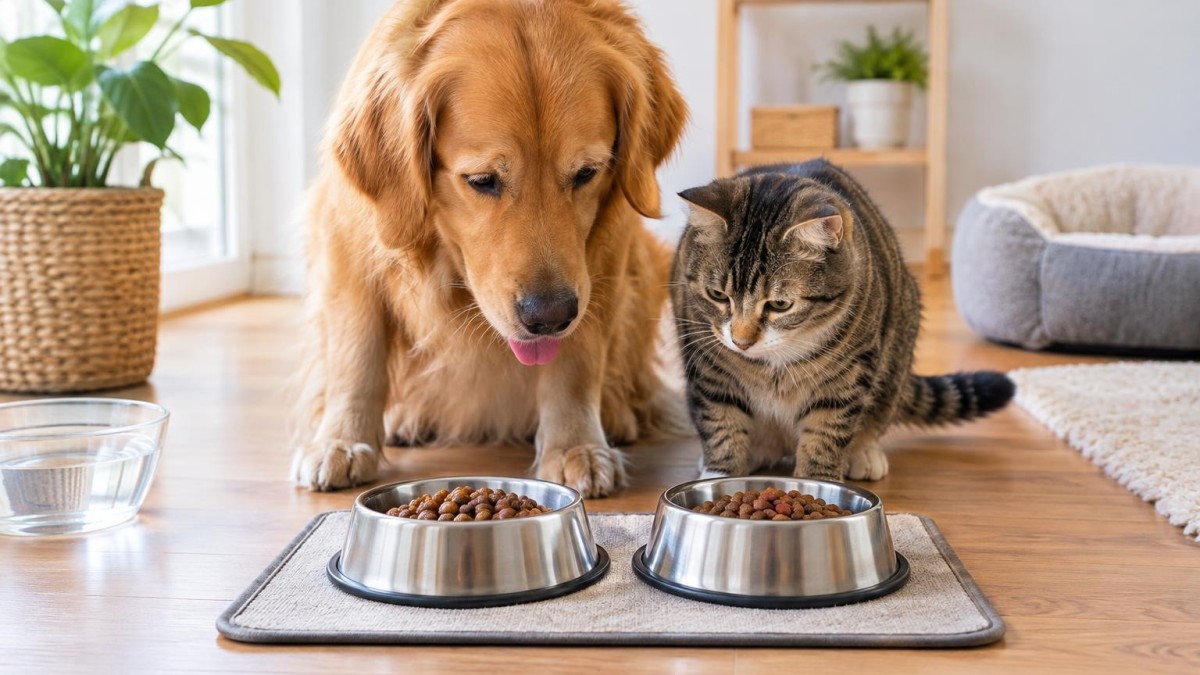
Why a Gradual Transition Matters
Changing your pet’s diet can be a challenge—not just for you, but for your furry friend’s sensitive digestive system. Abrupt switches to new food often lead to stomach upset, diarrhea, or refusal to eat. To maintain your pet’s appetite and digestive health, a smooth transition is essential.
Step-by-Step Guide to Switching Pet Food
Start by mixing a small amount of the new food with your pet’s current food. For the first two days, use about 25% new food and 75% old food. Over the next few days, gradually increase the new food portion to 50%, then 75%, and finally 100% by around day seven to ten. This slow progression helps your pet’s digestive system adjust comfortably.
If you notice any digestive upset or your pet refuses to eat, slow down the transition pace. Sometimes extending the process over two weeks works better, especially for pets with sensitive stomachs.
Tips for a Successful Diet Change
Keep mealtime routine consistent to provide comfort and familiarity. Avoid adding new treats or snacks during the transition, which can confuse your pet’s palate. Also, keep fresh water available, as some diet changes may increase thirst. If your pet has special dietary needs or health issues, consult your veterinarian before making changes.
Remember, patience is key. A gradual, gentle switch helps your pet enjoy their new diet without fuss, supporting better health and happiness.
Newsletter Station provides professionally written, ready-to-send newsletters customized for your market and brand.
EXPLORE NEWSLETTER OPTIONS