
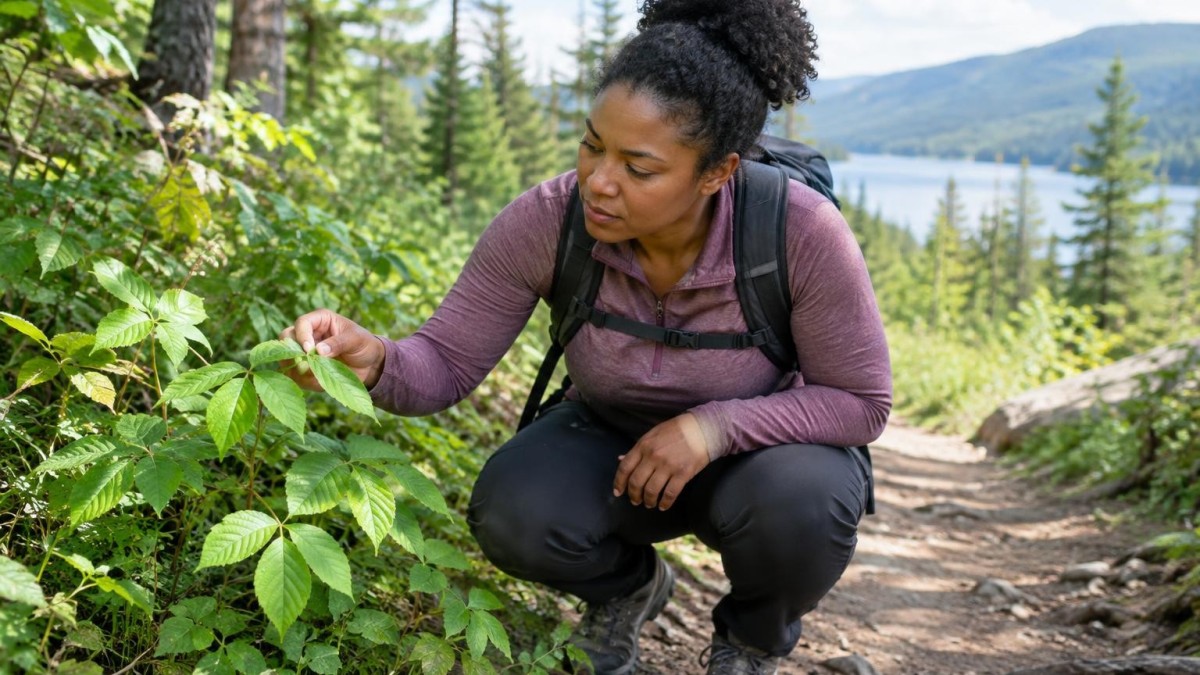
Spotting Harmful Plants on Your Outdoor Adventures
Spending time outdoors offers fresh air, exercise, and a break from daily routines. But nature can also harbor some hidden hazards, including poisonous plants that may cause irritation, allergic reactions, or more serious health issues if touched or ingested. Learning to identify these common harmful plants can help you enjoy your hikes and outdoor fun safely.
Common Poisonous Plants to Know
Several plants frequently grow in recreational areas and trails. Poison ivy, poison oak, and poison sumac are well-known irritants, producing oils that cause itchy, uncomfortable rashes. They often have shiny leaves grouped in clusters of three, though appearances vary by species and season. Stinging nettle is another plant to watch out for; its tiny, hair-like structures can cause a painful stinging sensation and redness upon contact.
Less obvious but still dangerous are plants like deadly nightshade and hemlock, which contain toxins harmful if touched or eaten. While unlikely to be mistaken for edible plants, awareness is key, especially if children or pets are present.
Simple Steps to Prevent Exposure
Before heading out, familiarize yourself with images and descriptions of local toxic plants. Stick to marked trails whenever possible, as these areas are usually maintained and less overgrown. Wearing long sleeves, pants, closed shoes, and gloves during hikes adds a protective barrier. If you accidentally brush against a suspicious plant, wash exposed skin promptly with soap and water to remove oils or irritants.
Keep pets on a leash to prevent them from wandering into poisonous vegetation and potentially bringing irritants back on their fur. Also, avoid touching your face or eyes during and after outdoor activities until you’ve cleaned up. Carrying a small first aid kit with antihistamines or calamine lotion can help manage minor reactions quickly.
Knowledge and preparation are your best companions in nature. Recognizing and avoiding poisonous plants helps ensure your outdoor adventures remain enjoyable and safe so you can focus on the fresh air and beautiful scenery ahead.
Newsletter Station provides professionally written, ready-to-send newsletters customized for your market and brand.
EXPLORE NEWSLETTER OPTIONS