
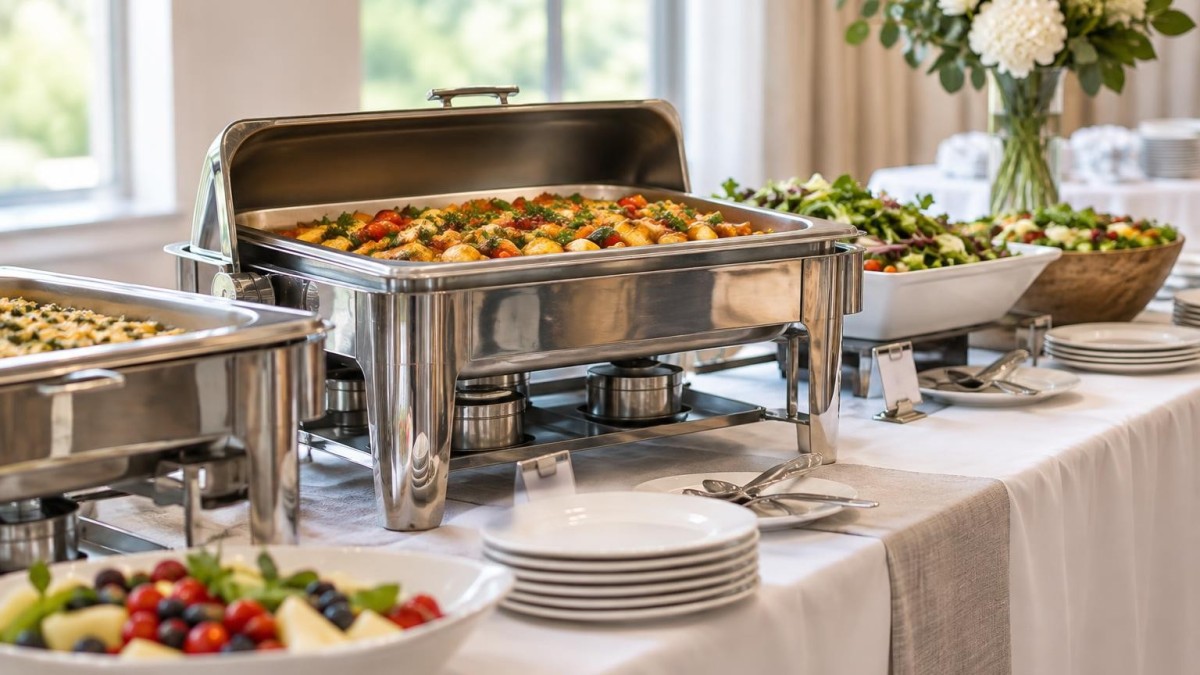
Understanding Timing Challenges
When planning food service for events, timing is everything. Serving meals too early can leave dishes sitting out, losing warmth and freshness, while preparing food too late can lead to rushed service and stressed staff. Balancing these factors is key to delivering meals at their best quality.
Strategic Food Preparation
Begin by mapping out a detailed timeline for each dish, estimating prep, cook, and hold times. Prioritize menu items that can be cooked ahead and held safely, like soups or casseroles, versus those best served immediately, like grilled proteins or delicate sauces. Communicate this plan clearly with your kitchen team to coordinate efforts smoothly.
Smart Holding Techniques
Keeping food at the proper temperature until service is crucial. Use warming trays, heat lamps, or insulated containers to maintain hot items safely. For cold dishes, refrigeration or coolers work well just before plating. Avoid over-holding, which can dry out or degrade flavors, by timing your holding periods carefully.
Coordinated Service Timing
Coordinate with servers and event staff to schedule meal delivery right when dishes hit peak freshness. Consider the flow of the event and how guests will be seated or move through buffet lines. Clear communication and timing tools, such as synchronized clocks or countdowns, help keep all teams on the same page.
By combining careful planning, kitchen communication, and smart holding methods, you can manage food service timing that delights guests with meals fresh and perfectly timed every time.
Newsletter Station provides professionally written, ready-to-send newsletters customized for your market and brand.
EXPLORE NEWSLETTER OPTIONS